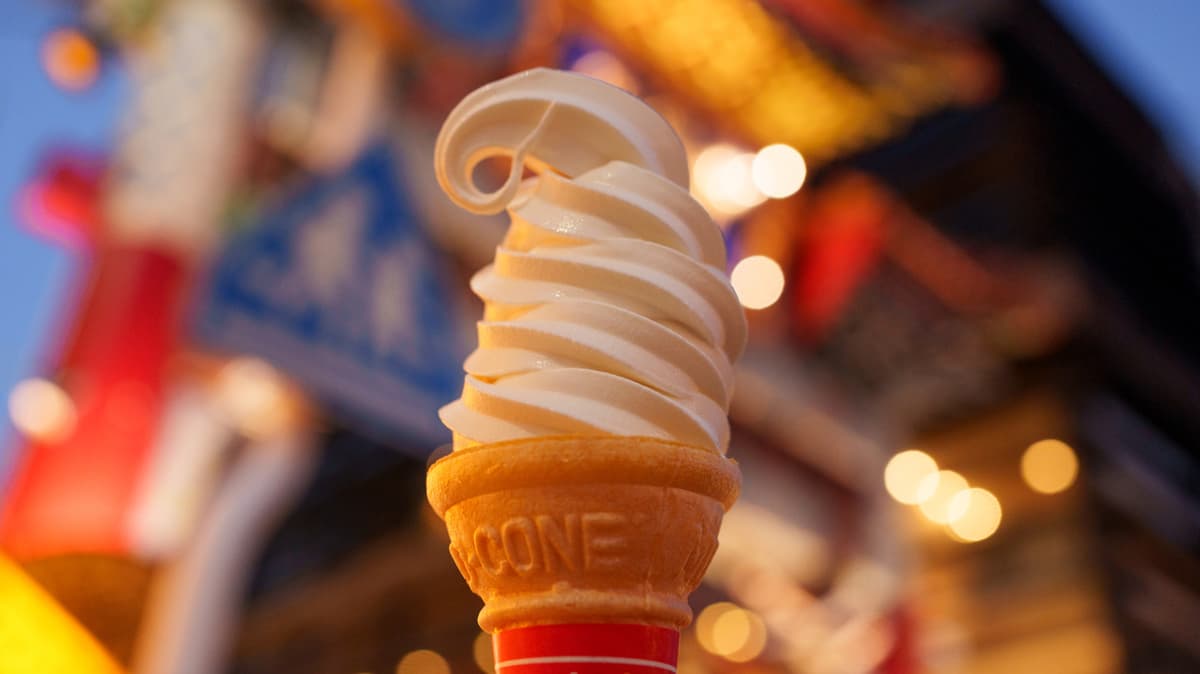
'Japan Is Living In 2080': The Japanese Ice Cream Machine Americans Can't Wrap Their Heads Around
Companies Mentioned
Why It Matters
The novelty illustrates how Japanese brands leverage experiential technology to differentiate in a saturated market, potentially reshaping consumer expectations for fast‑food automation. It signals opportunities for global operators to integrate entertainment into service models.
Key Takeaways
- •Japanese soft‑serve machine performs animated robot show.
- •Experience prioritized over speed in Japan’s ice‑cream culture.
- •Nissei mascots Nikkun and Seichan feature in the display.
- •Americans compare it to faster Dairy Queen service.
- •Novelty boosts brand perception despite longer wait times.
Pulse Analysis
Japan’s vending‑machine culture has long prioritized speed, but soft‑serve ice cream occupies a unique niche where hospitality and spectacle intersect. The Nissei robot combines precise dispensing with synchronized lighting, music, and dancing mascots, turning a routine purchase into a mini‑performance. This approach taps into the country’s "sofuto kuriimu" tradition, where the act of serving is as valued as the product itself, reinforcing brand loyalty through memorable experiences rather than mere convenience.
The technology behind the machine blends industrial robotics with consumer‑facing entertainment. Sensors control swirl patterns while a programmable display projects the iconic Nikkun and Seichan characters, creating a narrative that resonates with nostalgic Japanese consumers. Compared with the rapid output of U.S. fast‑food chains, the extended wait time is intentional, positioning the product as a premium, Instagram‑ready moment. This differentiation elevates Nissei’s brand equity, allowing it to command higher margins despite slower throughput.
For global food operators, the Japanese model offers a blueprint for revitalizing automated service points. By embedding storytelling and visual flair into otherwise utilitarian equipment, brands can transform friction points into engagement opportunities, driving foot traffic and social sharing. However, scaling such concepts requires balancing novelty with operational efficiency, especially in markets where speed dominates consumer expectations. Companies that successfully merge robotics with experiential design may capture a new segment of diners seeking both convenience and entertainment, reshaping the future of fast‑food automation.
'Japan Is Living In 2080': The Japanese Ice Cream Machine Americans Can't Wrap Their Heads Around
Comments
Want to join the conversation?
Loading comments...