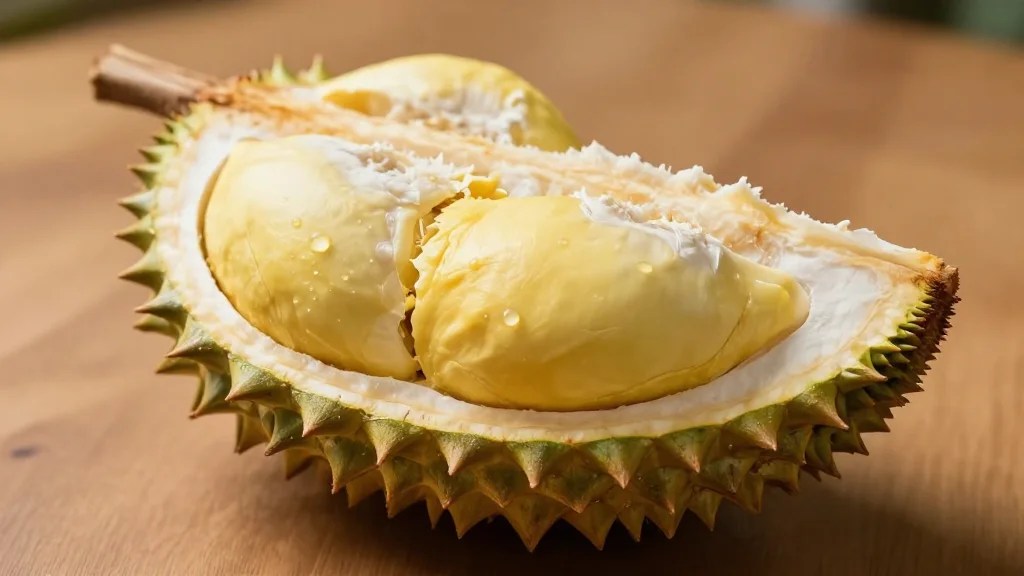
Malaysia's Durian Season Starts Early with Stronger-Tasting, Creamier Fruits
Why It Matters
The early, high‑quality durian crop reshapes regional fruit pricing and supply chains, signaling stronger demand and potential profit for growers while testing price elasticity among consumers in Southeast Asia.
Key Takeaways
- •Early season durians in Penang are creamier with stronger flavor.
- •Prices up ~20% as supply tight; D604 $5‑10/kg, Musang King $12‑17/kg.
- •Expected bumper yield may lower prices from June onward.
- •Singapore's durian imports remain limited despite Malaysia's early harvest.
- •Consumers accept higher prices for premium taste and early availability.
Pulse Analysis
An unusually dry spell this spring has accelerated Malaysia’s durian season, prompting growers to harvest earlier than the typical mid‑April start. The climatic shift not only advanced the timeline but also enhanced the fruit’s texture, yielding a richer, creamier mouthfeel that buyers in Penang’s bustling night markets are praising. Such weather‑driven quality improvements are rare, and they have immediate price ramifications: limited early‑season stock has driven up wholesale rates by about 20%, positioning premium varieties like Musang King at a premium of $12‑17 per kilogram.
Local sellers are navigating a delicate balance between higher margins and consumer willingness to pay. While some shoppers balk at the price hike, many durian enthusiasts view the early availability and intensified flavor as worth the extra cost, reinforcing the fruit’s status as a luxury snack. Vendors anticipate a shift later in the year as forecasts point to a bumper harvest, which should expand supply and temper prices by June. This expected easing could stimulate broader market participation, encouraging casual consumers to try higher‑grade durians without the steep price barrier.
The ripple effects extend beyond Malaysia’s borders, particularly to Singapore, which imports a sizable share of its durians from the peninsula. Despite the early Malaysian crop, Singaporean retailers report constrained inventories, underscoring the lag between harvest and cross‑border logistics. As the season progresses, increased volumes are expected to flow into the city‑state, potentially stabilizing prices and meeting the persistent demand from local aficionados. The early start thus not only reshapes domestic market dynamics but also influences regional trade patterns, offering growers a strategic advantage in a competitive Southeast Asian fruit market.
Malaysia's durian season starts early with stronger-tasting, creamier fruits
Comments
Want to join the conversation?
Loading comments...