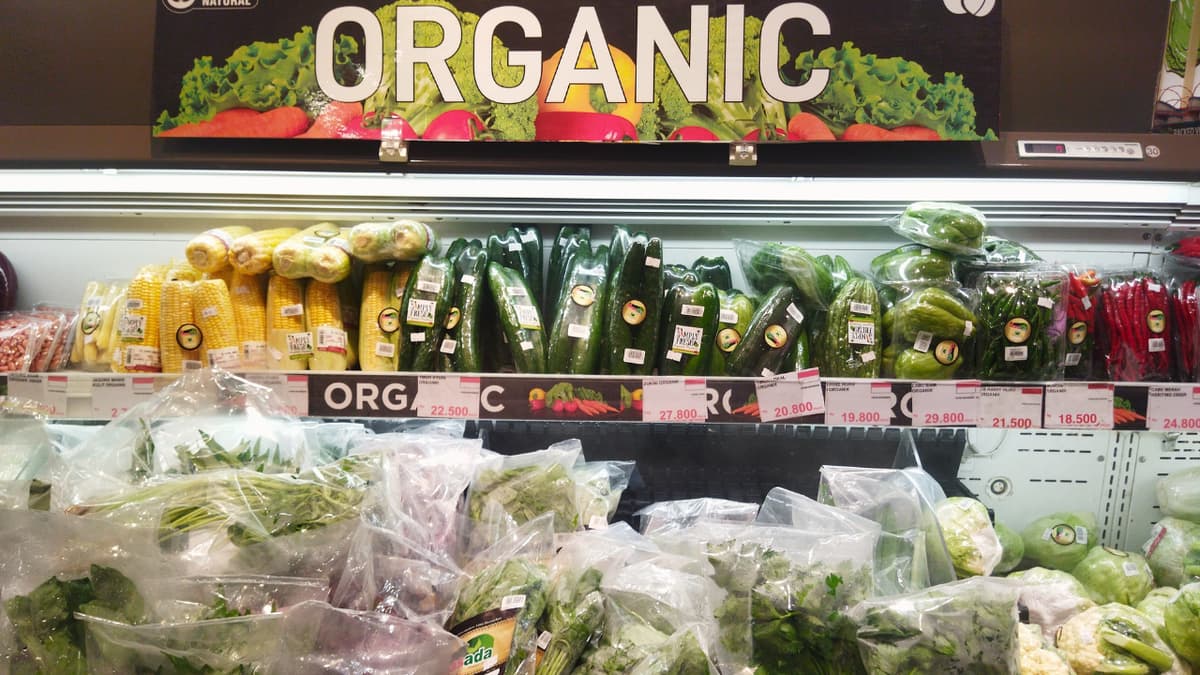
Organic Produce Grows in Popularity, but Sales Hurdles Remain
Companies Mentioned
Why It Matters
The trend signals a sizable, still‑underpenetrated market where effective merchandising can unlock higher margins for grocery chains. Retailers that successfully communicate broader value will capture incremental spend as consumers prioritize health and sustainability.
Key Takeaways
- •83% of U.S. households buy organic produce
- •Organic produce makes up only 12% of total produce sales
- •Retailers must emphasize value beyond price to sustain growth
- •Cross‑merchandising organic meat with produce can boost sales
- •Clear storytelling and inventory turns drive impulse purchases
Pulse Analysis
The organic produce segment is gaining traction as consumers increasingly seek healthier, environmentally friendly options. NielsenIQ data shows a robust adoption rate, yet the category still accounts for a modest share of overall produce revenue. This gap reflects both price sensitivity and lingering misconceptions about organic benefits. As household budgets tighten, shoppers are weighing perceived value more than raw cost, creating an opening for retailers to differentiate through education and experience.
Retailers can capitalize on this shift by expanding the definition of value beyond price tags. Emphasizing superior taste, nutritional advantages, and local sourcing helps justify modest premiums. Equally important is minimizing perceived waste; high inventory turns and clear shelf‑life messaging reassure shoppers that organic items are fresh and worth the investment. Storytelling that details provenance, certification, and health impacts, paired with practical tips on storage and portioning, deepens consumer confidence and drives both planned and impulse buys.
Cross‑category strategies present the next growth frontier. Organic meat and poultry are already enjoying double‑digit sales gains, and bundling these proteins with organic fruits and vegetables in meal kits or promotional displays can amplify basket size. Data‑driven insights from firms like 210 Analytics enable precise targeting of high‑propensity shoppers, ensuring that promotional spend yields measurable lift. As the organic market matures, retailers that blend compelling value narratives with seamless merchandising execution will secure a competitive edge and capture a larger slice of the evolving grocery spend.
Organic produce grows in popularity, but sales hurdles remain
Comments
Want to join the conversation?
Loading comments...