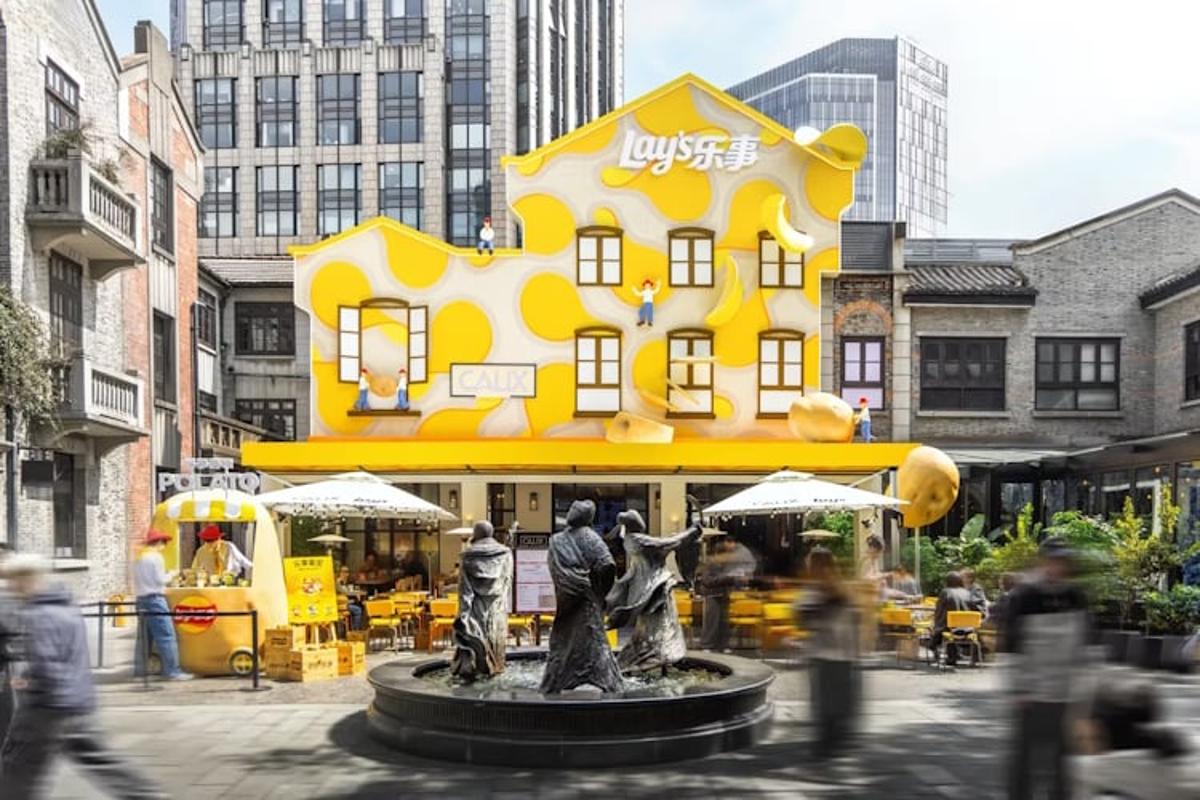
PepsiCo’s Second Restaurant Gamble Is Bigger, Bolder and Riskier
Companies Mentioned
Why It Matters
The initiative signals a strategic pivot for snack makers from shelf‑centric growth to experience‑driven relevance, potentially unlocking higher‑margin consumer touchpoints. Its outcome may set a template for brands seeking to capture attention in increasingly experience‑focused markets.
Key Takeaways
- •Shanghai Lay’s restaurant tests immersive brand experience, not direct sales
- •Collaboration with Michelin‑star chef and fashion label creates multi‑sensory dining
- •Test‑and‑learn model aims to uncover new away‑from‑home consumption occasions
- •Success could shift snack brands toward experience‑led growth strategies
- •China’s trend‑driven market provides ideal proving ground for brand activations
Pulse Analysis
PepsiCo’s Shanghai Lay’s restaurant marks a bold evolution from product‑centric promotions to immersive brand storytelling. By turning a snack into a destination, the company joins a growing cohort of consumer goods firms that view experiences as a premium channel for building loyalty. The venue’s farm‑to‑table narrative, Michelin‑starred culinary twists, and fashion‑forward installations create shareable moments that extend far beyond the plate, generating organic social buzz and valuable consumer data. This approach reflects a broader industry shift where brands must meet shoppers in the spaces where they spend time, not just where they shop.
The Shanghai activation is deliberately framed as a test‑and‑learn laboratory. PepsiCo is tracking foot traffic, dwell time, social amplification and repeat visitation to gauge which elements—menu creativity, spatial design, or merchandise—drive the strongest engagement. Partnerships with chef Francesco Bonvini, chef Tian Shuai and label 8ON8 provide credibility and cultural relevance, while a dedicated retail zone turns the experience into a micro‑ecommerce hub. By isolating these variables in a controlled, temporary setting, PepsiCo can refine a playbook that could be adapted to pop‑ups, collaborative pop‑ins or hybrid retail formats worldwide.
If successful, the experiment could redefine growth strategies for snack manufacturers facing saturated shelves and waning traditional media impact. An experience‑led model promises higher margins, deeper emotional connections and new occasions for consumption beyond the home. However, scaling hospitality concepts entails operational complexities and cost pressures that differ sharply from packaged‑goods logistics. PepsiCo’s cautious rollout—emphasizing insight generation over immediate rollout—acknowledges these risks while testing whether the brand’s core asset, the potato, can sustain relevance through story‑driven experiences in a market as demanding as Shanghai. The findings will likely influence how other global snack brands allocate marketing spend toward immersive, culture‑centric activations.
PepsiCo’s second restaurant gamble is bigger, bolder and riskier
Comments
Want to join the conversation?
Loading comments...