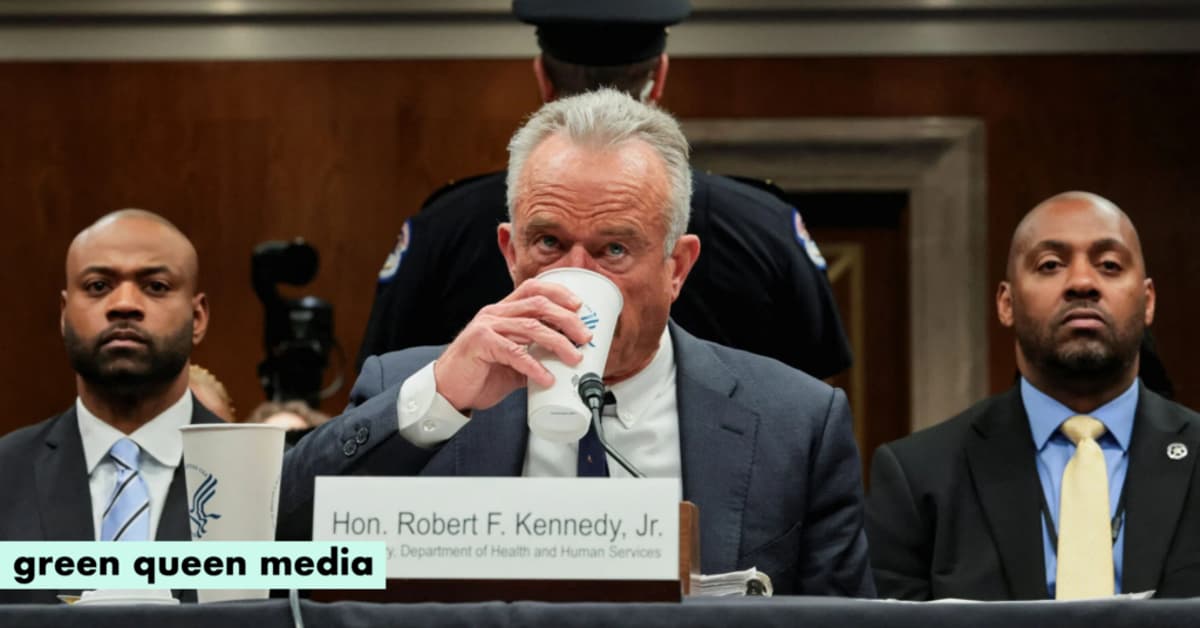
RFK Jr Says Cultivated Meat Will ‘Have to Get Through A Lot of Scepticism’ From FDA
Companies Mentioned
Why It Matters
Heightened FDA oversight under a skeptical HHS leader may delay product launches, raising costs for alternative‑protein firms and reshaping the U.S. market trajectory.
Key Takeaways
- •RFK Jr. warns cultivated meat must clear FDA safety scrutiny
- •2025 saw three cultivated meat products receive U.S. approval
- •Eight states, including South Dakota, have enacted cultivated meat bans
- •Startups may face longer, costlier FDA review under HHS leadership
- •Policy uncertainty could slow investment in alternative protein sector
Pulse Analysis
The cultivated‑meat sector has accelerated dramatically in recent years, with the FDA granting its first approvals to companies like Upside Foods and Eat Just in 2023 and three additional products cleared in 2025. These milestones signaled a shift toward mainstream acceptance of cell‑based proteins, offering consumers lower‑environmental‑impact alternatives to conventional meat. Yet the pathway to market remains tightly regulated, relying on the FDA’s rigorous safety and labeling standards, which have historically been a hurdle for emerging food technologies.
Robert F. Kennedy Jr.’s recent remarks inject a new political dimension into this evolving landscape. As the newly appointed head of the Department of Health and Human Services, his amplified concern signals that the FDA may adopt a more cautious stance, potentially extending review timelines and demanding additional data on health impacts. Simultaneously, a wave of state‑level bans—South Dakota, Florida, Alabama, Mississippi, Montana, Indiana, Nebraska and Texas—reflects growing regional resistance. These legislative moves, often driven by agricultural lobbyists and consumer‑safety narratives, could fragment the market and force companies to navigate a patchwork of regulations.
For cultivated‑meat companies and investors, the convergence of federal scrutiny and state bans creates a climate of uncertainty. Extended approval processes can increase capital requirements, delay revenue, and erode first‑mover advantages. On the other hand, heightened oversight may bolster consumer confidence if safety assurances are robust, potentially expanding the long‑term market. Stakeholders must therefore balance advocacy for streamlined pathways with proactive engagement in policy discussions, ensuring that scientific evidence guides regulatory decisions while mitigating the risk of politicized setbacks.
RFK Jr Says Cultivated Meat Will ‘Have to Get Through A Lot of Scepticism’ from FDA
Comments
Want to join the conversation?
Loading comments...