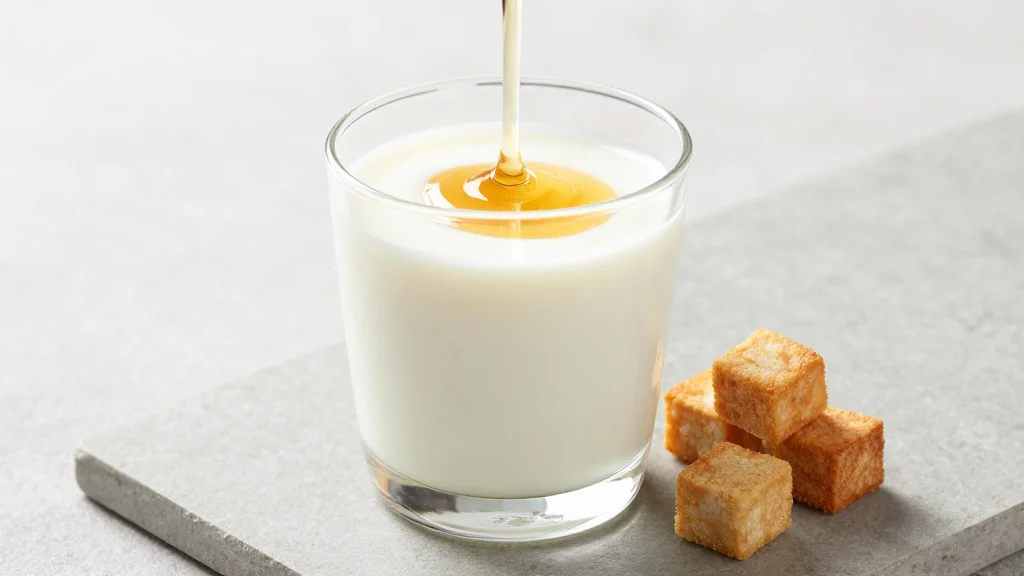
South Korea’s Soyft Biome Bags Funding to Upcycle Tempeh Waste Into Plant-Based Dairy
Companies Mentioned
Why It Matters
The funding accelerates a circular‑economy model that turns food waste into high‑value, plant‑based alternatives, positioning Soyft Biome as a differentiator in the fast‑growing dairy‑free market and opening cross‑industry revenue streams.
Key Takeaways
- •Soyft Biome raises undisclosed round from MYSC’s Extramile Lycon Fund.
- •AquaProtein upcycles tempeh fermentation waste into functional protein.
- •Ja:yu brand targets low‑sugar plant‑based dairy alternatives.
- •Company plans expansion into cafés, bakeries, and foodservice channels.
- •Technology eyed for cosmetics and medical nutrition markets.
Pulse Analysis
South Korea’s food‑tech scene is witnessing a shift toward waste‑derived ingredients, and Soyft Biome sits at the forefront of this movement. By capturing the by‑products of tempeh fermentation—a staple in Korean cuisine—the startup transforms what would be discarded into AquaProtein, a high‑amino‑acid, saponin‑rich protein source. This approach not only reduces environmental impact but also taps into the burgeoning demand for sustainable, plant‑based foods among health‑conscious consumers and corporate buyers seeking low‑sugar, dairy‑free options.
The company’s dual‑technology stack—AquaProtein for functional protein and the Sofyft micro‑emulsion system for texture—gives its Ja:yu condensed milks and Fermax drinks a competitive edge. The protein’s viscosity, moisture retention, and foam‑holding properties enable formulations that mimic dairy’s mouthfeel without added sugars or animal ingredients. Such capabilities are critical as retailers like Coupang Rocket Fresh and Olive Young expand their plant‑based portfolios, and as foodservice operators look for reliable, scalable alternatives to traditional dairy.
The recent investment from MYSC’s Extramile Lycon Fund provides the runway to deepen market penetration and diversify applications. Beyond coffee shops and bakeries, Soyft Biome is eyeing the cosmetics and medical nutrition sectors, where its stable, pH‑tolerant emulsions could support skincare actives and specialized nutritional formulas. This cross‑industry expansion underscores a broader trend: food‑tech innovations are becoming platforms for sustainable solutions across multiple markets, offering investors and partners a compelling value proposition rooted in circularity and health.
South Korea’s Soyft Biome Bags Funding to Upcycle Tempeh Waste Into Plant-Based Dairy
Comments
Want to join the conversation?
Loading comments...