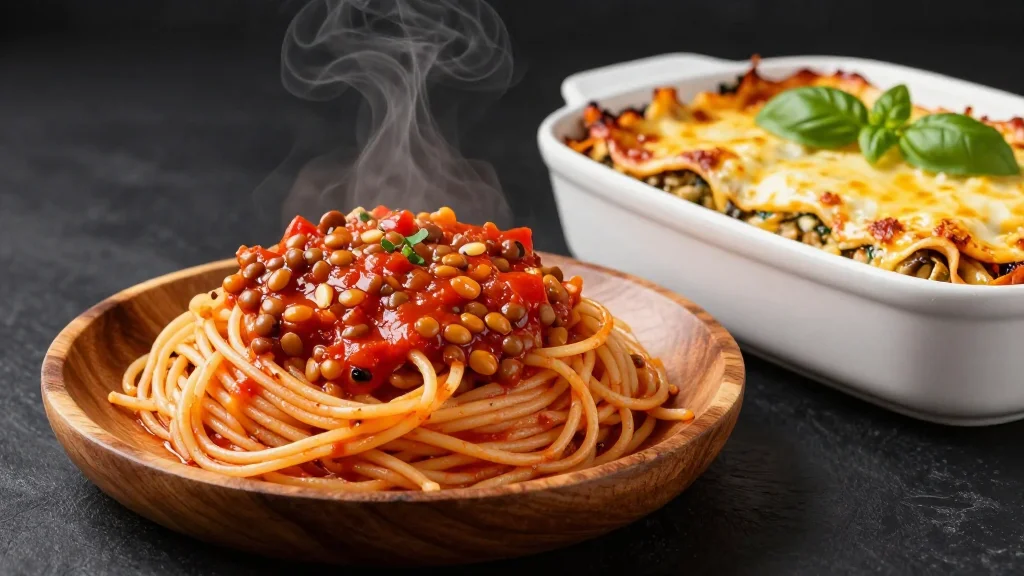
Study: Plant-Based Mince and Meatballs a Third Cheaper than Meat Options
Companies Mentioned
Why It Matters
Lower plant‑based prices make sustainable protein more accessible, pressuring meat producers and influencing retailer strategies. The cost advantage could boost market share for alternatives amid rising meat volatility.
Key Takeaways
- •Plant‑based mince 33% cheaper than beef, lamb, pork
- •Meat price spikes tied to Iran‑Russia war and extreme weather
- •Cheaper alternatives may accelerate consumer shift to plant‑based diets
- •Retailers could prioritize plant‑based lines to meet cost‑conscious demand
- •Supply‑chain volatility amplifies appeal of stable plant‑based sourcing
Pulse Analysis
The Good Food Institute’s latest pricing analysis reveals a decisive cost advantage for plant‑based mince and meatballs, underscoring a shift that extends beyond niche markets. While traditional meat prices have surged due to geopolitical instability—particularly the Iran‑Russia conflict affecting grain imports for livestock feed—and climate‑driven supply disruptions, plant‑based proteins remain insulated from these shocks. This price resilience positions alternatives as a pragmatic choice for budget‑conscious shoppers, not just the environmentally motivated.
Retailers are already feeling the ripple effect. Shelf‑space allocations are being re‑examined as supermarkets respond to consumer demand for affordable, protein‑rich options that don’t compromise on taste. Brands that can deliver consistent quality at lower price points stand to capture market share from conventional meat suppliers, who now face both cost pressures and heightened scrutiny over sustainability. The study’s findings also give investors a clearer signal: companies scaling plant‑based production may enjoy stronger margins and faster growth trajectories.
Beyond economics, the cheaper plant‑based alternatives could accelerate broader decarbonization goals. Lower costs reduce a key barrier to adoption, potentially driving down meat consumption and associated greenhouse‑gas emissions. Policymakers may leverage this data to justify incentives for plant‑based innovation, aligning fiscal policy with climate objectives. As supply‑chain volatility persists, the convergence of affordability, sustainability, and consumer preference positions plant‑based proteins as a pivotal component of the future food system.
Study: Plant-based mince and meatballs a third cheaper than meat options
Comments
Want to join the conversation?
Loading comments...