Tee Yih Jia Targets Plant-Based Growth with Asian-Western Fusion
Companies Mentioned
Why It Matters
By fusing Asian flavors with Western convenience, ALTN aims to capture health‑focused and culturally diverse buyers, offering a differentiated path in a contracting plant‑based sector.
Key Takeaways
- •ALTN expands portfolio with plant‑based Spaghetti Bolognese, BBQ buns, fish fillet
- •Strategy focuses on Asian‑Western fusion to stand out in saturated market
- •Global distributor feedback drives continuous recipe refinement across 80 countries
- •Emphasis on taste, texture, and clean protein blends (soy, pea, fungi)
- •Targets niche segments: high‑protein, low‑sugar, low‑sodium plant‑based foods
Pulse Analysis
The plant‑based food market has entered a period of slower growth, with headline makers such as Beyond Meat posting a revenue dip in Q1 2025 and Quorn seeing a 5.8% sales decline. These headwinds have prompted manufacturers to seek differentiation beyond price and basic protein content. Tee Yih Jia’s ALTN brand is positioning itself at the intersection of convenience and culinary novelty, betting that a culturally resonant product line can revive consumer interest where generic meat‑free options have stalled.
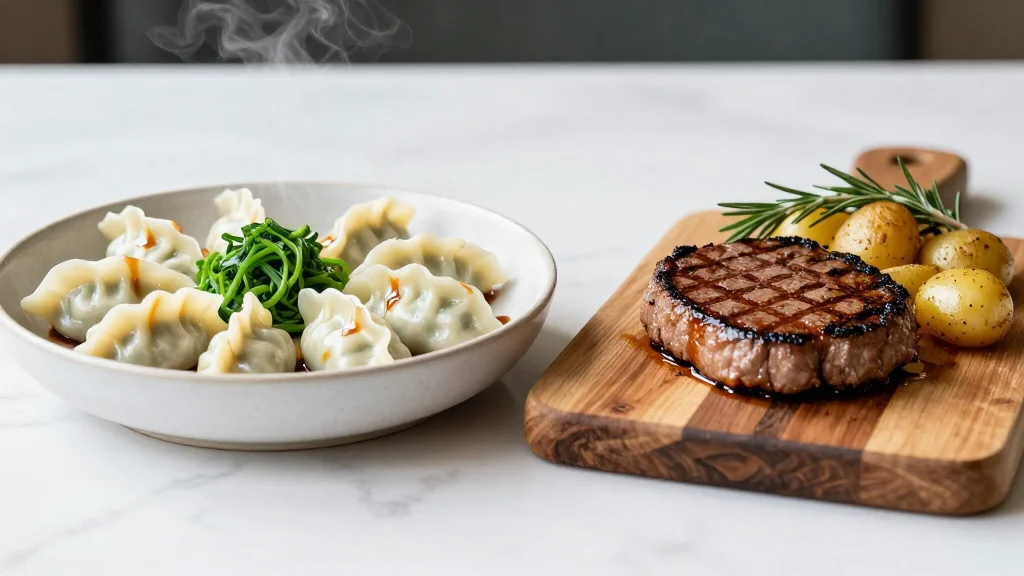
ALTN’s “East meets West” playbook blends familiar Asian street foods—dim sum, spring rolls, paratha—with Western staples like lasagne and spaghetti Bolognese. By launching items such as plant‑based BBQ buns and fish fillets, the brand taps into both nostalgia and curiosity, appealing to shoppers who crave authentic flavors without sacrificing convenience. The company’s extensive distributor network across 80 countries supplies real‑time feedback, enabling rapid recipe tweaks that keep taste and texture on par with animal‑based counterparts. This iterative approach not only strengthens brand loyalty but also creates a scalable model for localized product variations.
Health considerations further shape ALTN’s roadmap. The brand prioritizes clean protein sources—soy, pea, fungi—and aims to reduce sodium and added sugars, aligning with emerging consumer demand for whole‑ingredient, low‑risk foods. While a dedicated high‑protein or low‑sugar line is not yet launched, those attributes are baked into the R&D pipeline, positioning ALTN to capture niche segments as they mature. If the fusion strategy succeeds, Tee Yih Jia could set a new benchmark for plant‑based convenience, proving that cultural diversity and nutritional rigor can coexist in frozen meals.
Tee Yih Jia targets plant-based growth with Asian-Western fusion
Comments
Want to join the conversation?
Loading comments...