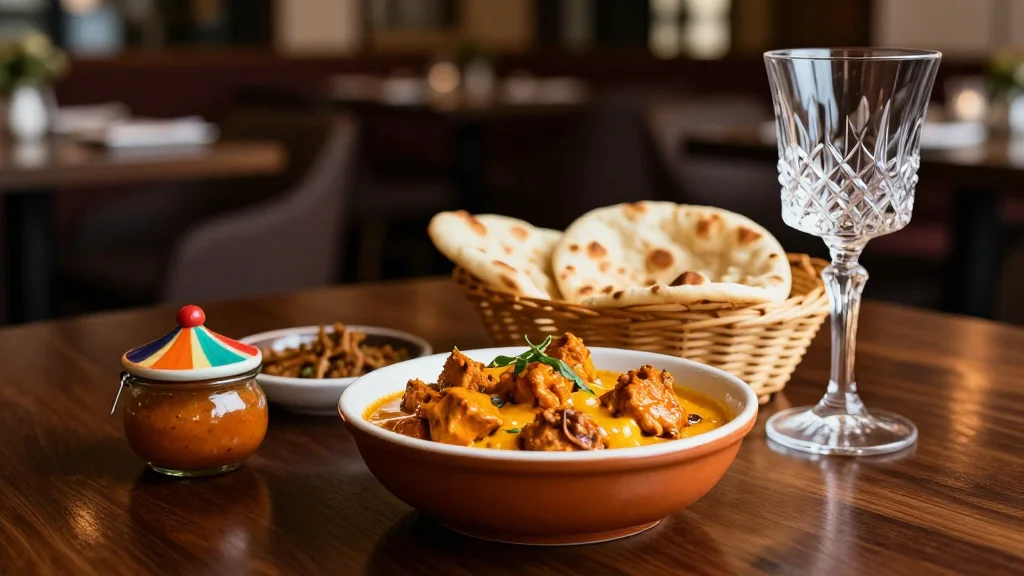
The Death of the Social Dining Table
Companies Mentioned
Why It Matters
The shift redefines where social capital is built, creating new revenue streams for restaurants and experience‑focused brands while reshaping consumer expectations around convenience and equality.
Key Takeaways
- •Indian women cook 3.5 hrs daily vs 4 min for men
- •Restaurants now primary social ritual for urban millennials
- •Experience, design and ambience rival menu in brand competition
- •Appliance market leans toward premium, semi‑prepared solutions
- •Third‑place rise fuels demand for inclusive, flexible dining spaces
Pulse Analysis
The erosion of the traditional Indian home‑hosting model is rooted in broader demographic changes. As more women join the paid workforce, the unpaid labor that once sustained elaborate family meals becomes untenable. Nuclear families replace joint households, eliminating the built‑in support network of grandmothers and mothers‑in‑law. Consequently, the kitchen transforms from a stage of social performance into a hidden burden, prompting a cultural pivot toward external venues for communal eating.
Restaurants have seized this gap, evolving into the modern "third place" where work and home intersect. Data from Quartz shows urban Indian millennials now spend three times more on dining out than on any other entertainment, treating meals as curated experiences rather than mere sustenance. The shift also changes the mechanics of impression management: patrons are judged by the venue, cuisine and ambience they select, not by their cooking prowess. This democratization flattens social hierarchies, as everyone orders, pays and participates equally, aligning with the peer‑based relationships of dual‑income households.
For brands, the implication is clear: success hinges on delivering a holistic experience. Restaurants must invest in design, acoustics and table layouts that foster connection. Appliance manufacturers should market premium, time‑saving tools and meal‑kit solutions that enable occasional hosting without intensive labor. Hospitality operators can capture the new "Atithi Devo Bhava" by offering personalized, intimate settings beyond the home. Meanwhile, D2C lifestyle firms need to target the empowered female decision‑maker with messaging that celebrates autonomy, parity and pleasure rather than nostalgic home‑cooking nostalgia.
The death of the social dining table
Comments
Want to join the conversation?
Loading comments...