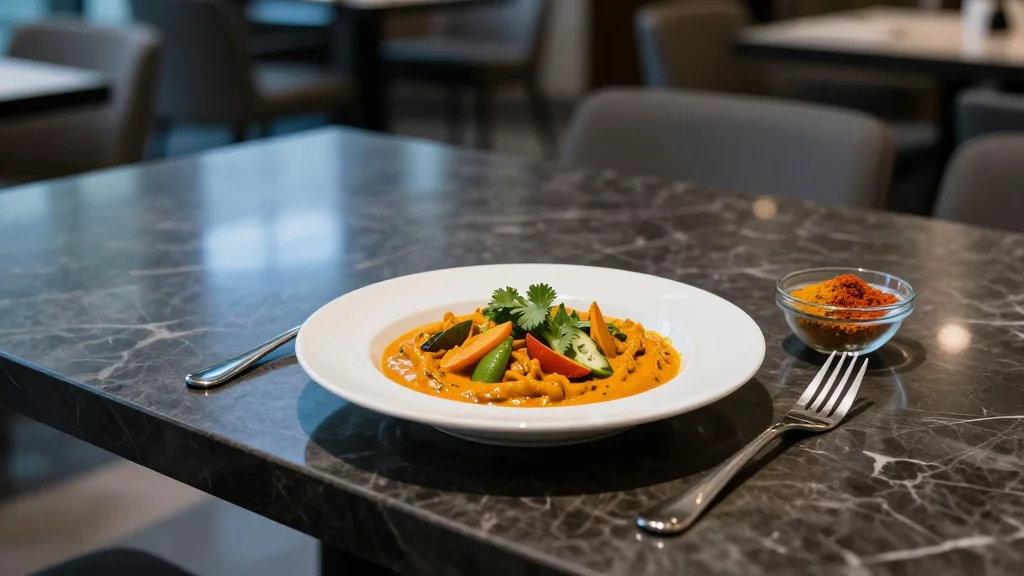
The Year of Redefining Indian Food in America

Why It Matters
The shift signals a lucrative growth segment for restaurateurs and investors, redefining Indian cuisine’s market position in America. It also forces traditional operators to modernize or risk obsolescence.
Key Takeaways
- •Modern Indian concepts outpace traditional curry houses
- •Investors target upscale South Asian dining experiences
- •Franchising models accelerate brand scalability across U.S
- •Plant‑based menus attract health‑conscious diners
- •Digital ordering platforms boost Indian restaurant margins
Pulse Analysis
The United States is witnessing a culinary renaissance as Indian food moves beyond the familiar tandoori‑chicken and naan paradigm. Millennials and Gen Z diners, driven by curiosity and a desire for authentic yet innovative flavors, are gravitating toward restaurants that spotlight regional specialties—such as Goan seafood curries or Punjabi street snacks—presented in sleek, modern settings. This demographic shift, coupled with rising disposable incomes in urban markets, creates fertile ground for Indian concepts that blend tradition with contemporary dining experiences.
Capital is flowing into the sector, with private equity firms and venture capitalists earmarking funds for brands that can scale quickly. Franchising emerges as a key growth engine, allowing successful concepts to replicate their model across multiple states while maintaining quality standards. Simultaneously, plant‑based menu items are gaining traction, appealing to health‑conscious consumers and aligning with broader sustainability trends. Restaurants that integrate digital ordering, loyalty apps, and data‑driven menu optimization are seeing higher ticket averages and improved operational efficiency.
For legacy curry houses, the message is clear: adaptation is essential. Embracing modern interior design, diversified regional menus, and technology‑enabled service can unlock new revenue streams and attract a broader customer base. As Indian dining continues its ascent, it will likely challenge other ethnic cuisines for premium positioning, reshaping the competitive dynamics of the U.S. restaurant industry and setting the stage for sustained growth through 2027 and beyond.
The year of redefining Indian food in America
Comments
Want to join the conversation?
Loading comments...