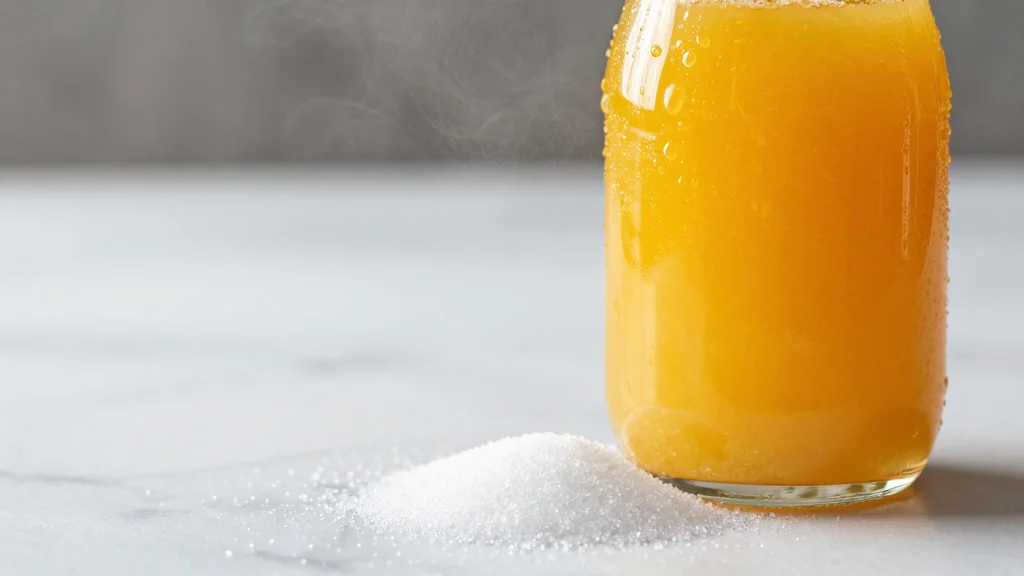
This Food Tech Company Uses Yeast Fermentation to Cut Sugar in Fruit Juice by 30%
Why It Matters
The technology gives CPG manufacturers a fast, regulatory‑compliant way to meet EU sugar‑reduction mandates and capture health‑conscious shoppers, potentially reshaping the fruit‑juice market.
Key Takeaways
- •Austria Juice cuts juice sugar by 30% using yeast fermentation
- •New EU Breakfast Directives require 30% sugar reduction for label claim
- •Technology preserves flavor, minerals, and polyphenols while lowering calories
- •Plug‑and‑play solution lets brands launch reduced‑sugar juice quickly
- •Over 60% of EU consumers actively reduce sugar intake
Pulse Analysis
European consumers are increasingly vigilant about sugar, with more than six in ten actively cutting intake for health or weight reasons. The EU’s revised Breakfast Directives codify this shift, creating a new "low‑sugar fruit juice" category that demands at least a 30% sugar reduction. Brands that fail to adapt risk losing shelf space and facing stricter labeling rules, while those that embrace the change can tap into a growing premium segment that values natural ingredients without artificial sweeteners.
Austria Juice’s approach leverages controlled yeast fermentation to metabolize a portion of the natural sugars in fruit concentrates before the juice is finalized. Unlike traditional enzymatic methods, the process avoids off‑flavors and any trace alcohol, preserving the original fruit profile, mineral content, and polyphenols. The resulting concentrate can be blended with untreated juice to hit precise sugar targets, delivering a product that is 30% lower in calories yet retains the nutritional benefits of 100% fruit juice. This technology, built on the company’s wine‑fermentation expertise, offers a scalable, patent‑pending solution that can be integrated directly into existing production lines.
The market impact extends beyond compliance. By providing a plug‑and‑play reduced‑sugar ingredient, Austria Juice enables beverage makers to launch healthier variants quickly, shortening time‑to‑market and reducing R&D costs. Competitors such as Better Juice, BlueTree Technologies, and IncreBio are also pursuing fermentation‑based sugar reduction, suggesting a broader industry pivot toward biotech solutions. As EU regulations tighten and consumer demand for natural, low‑sugar drinks rises, companies that adopt these fermentation platforms are likely to secure a competitive edge and drive the next wave of innovation in the breakfast‑beverage aisle.
This Food Tech Company Uses Yeast Fermentation to Cut Sugar in Fruit Juice by 30%
Comments
Want to join the conversation?
Loading comments...