This Midwest Bakery Chain Is Vanishing — But Still Hanging On In A Few Places
Why It Matters
The decline illustrates the vulnerability of mid‑tier casual dining chains to shifting consumer tastes and economic headwinds, while the brand’s licensing model shows how legacy products can generate revenue beyond physical locations.
Key Takeaways
- •Bakers Square peaked at over 140 locations before declining.
- •Multiple ownership changes, including Pillsbury, VICORP, and BBQ Holdings.
- •Bankruptcy filings in 2008 and 2020 accelerated store closures.
- •Seven stand‑alone bakeries remain across Indiana, Illinois, Iowa, Minnesota, Ohio.
- •Bakers Square pies now sold in BBQ Holdings’ restaurant portfolio.
Pulse Analysis
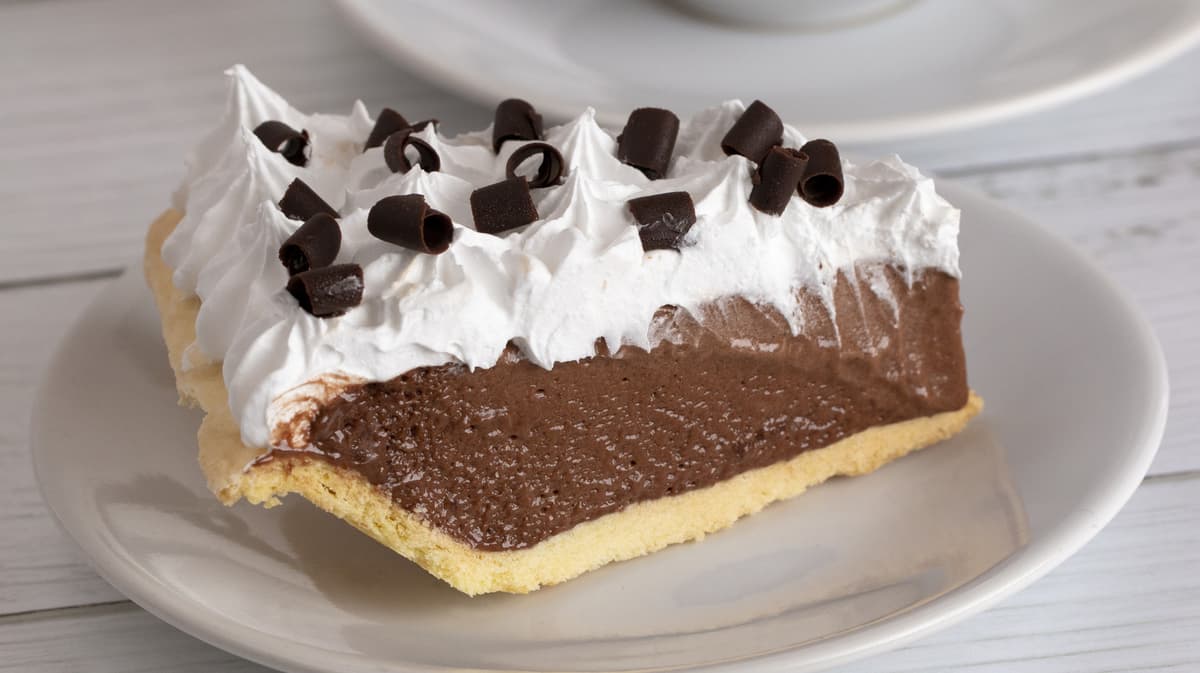
Bakers Square began as a modest Des Moines diner called “Mrs. C's” in 1970, quickly gaining fame for its double‑crusted fruit pies. The brand caught the eye of the Pillsbury Company, which rebranded it as Poppin' Fresh Pies before VICORP took over in 1983 and renamed it Bakers Square. Under VICORP, the chain expanded beyond the Midwest into markets like California, reaching a peak of more than 140 locations and cementing its reputation for comfort food and iconic desserts such as French silk and lemon supreme pies.
The early 2000s brought mounting challenges for Bakers Square. Intensifying competition from fast‑casual concepts, evolving consumer preferences toward healthier and more experiential dining, and rising operational costs eroded profitability. VICORP’s 2008 bankruptcy triggered a wave of closures, and a subsequent acquisition by American Blue Ribbon Holdings in 2009 failed to reverse the trend. The brand’s financial strain deepened amid inflation, supply‑chain disruptions, and the COVID‑19 pandemic, culminating in a second bankruptcy filing in 2020. These macro pressures underscore the fragility of mid‑tier casual chains that lack strong digital or delivery capabilities.
In 2021, BBQ Holdings acquired Bakers Square, integrating its famed pies into the menus of sister brands like Famous Dave's and Tahoe Joe's. This licensing strategy allows the iconic desserts to reach new customers while the core brand operates only seven stand‑alone locations across Indiana, Illinois, Iowa, Minnesota, and Ohio. The case highlights how legacy food brands can leverage product licensing to sustain relevance and generate revenue, even as traditional brick‑and‑mortar footprints shrink in a rapidly changing restaurant landscape.
This Midwest Bakery Chain Is Vanishing — But Still Hanging On In A Few Places
Comments
Want to join the conversation?
Loading comments...