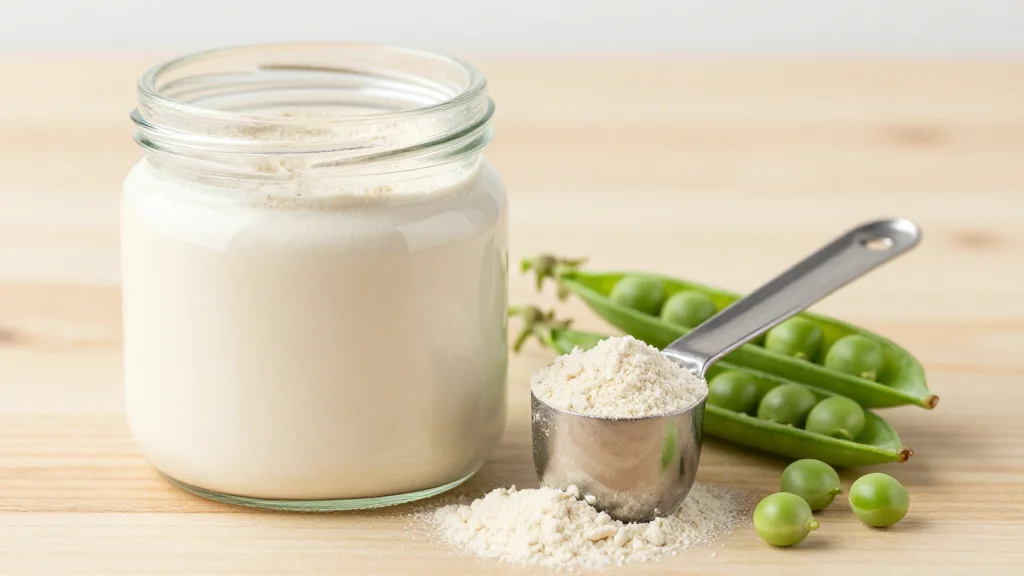
UK’s Fastest-Growing Plant-Based Dairy Brand Enters the Protein Powder World
Why It Matters
The launch taps a rapidly expanding UK protein market and leverages the clean‑label premium that is reshaping grocery shelves, giving Plenish a foothold in a high‑growth, health‑focused segment.
Key Takeaways
- •Plenish launches two pea‑protein powders with 20 g protein per serving
- •UK protein sales rose ~10% and fibre sales 14% in early 2026
- •Clean‑label demand now drives 58% of UK consumer choices
- •GLP‑1 drug use fuels demand for high‑protein, high‑fibre foods
- •Plant‑based protein market projected to reach $35 B by 2035
Pulse Analysis
Plenish’s entry into the protein powder arena reflects a calculated extension of its clean‑label ethos. By limiting the ingredient list to seven components—pea protein isolate, fava bean protein, Jerusalem artichoke inulin, light brown sugar, natural flavours, and either vanilla‑cinnamon or cocoa‑sea salt—the brand addresses a growing consumer appetite for transparency. The 20‑gram protein dose per serving meets the nutritional benchmarks set by UK fitness enthusiasts while the modest fibre claim adds a secondary health hook, positioning the product as a dual‑benefit supplement in a crowded market.
The timing aligns with a measurable uptick in UK protein and fibre consumption, which NielsenIQ reports rose 10% and 14% respectively in the 26 weeks to January 2026. This surge is partly fueled by the proliferation of GLP‑1 weight‑loss medications, now used by over 1.5 million Britons. These drugs accelerate muscle loss, prompting users to seek protein‑rich foods to preserve lean mass. Retailers such as Tesco, M&S, and Asda have responded with dedicated GLP‑1 ranges, creating a distribution channel that Plenish can exploit through its supermarket partnerships and online presence.
Looking ahead, the plant‑based protein sector is projected to hit $35 billion globally by 2035, with clean‑label credentials becoming a baseline expectation rather than a differentiator. Plenish’s strategy of pairing taste with ingredient simplicity could capture market share from incumbents that rely on heavily processed formulations. For investors and industry watchers, the brand’s expansion signals confidence in the convergence of health‑driven consumer trends, regulatory pressure on ultra‑processed foods, and the commercial viability of plant‑based nutrition solutions.
UK’s Fastest-Growing Plant-Based Dairy Brand Enters the Protein Powder World
Comments
Want to join the conversation?
Loading comments...