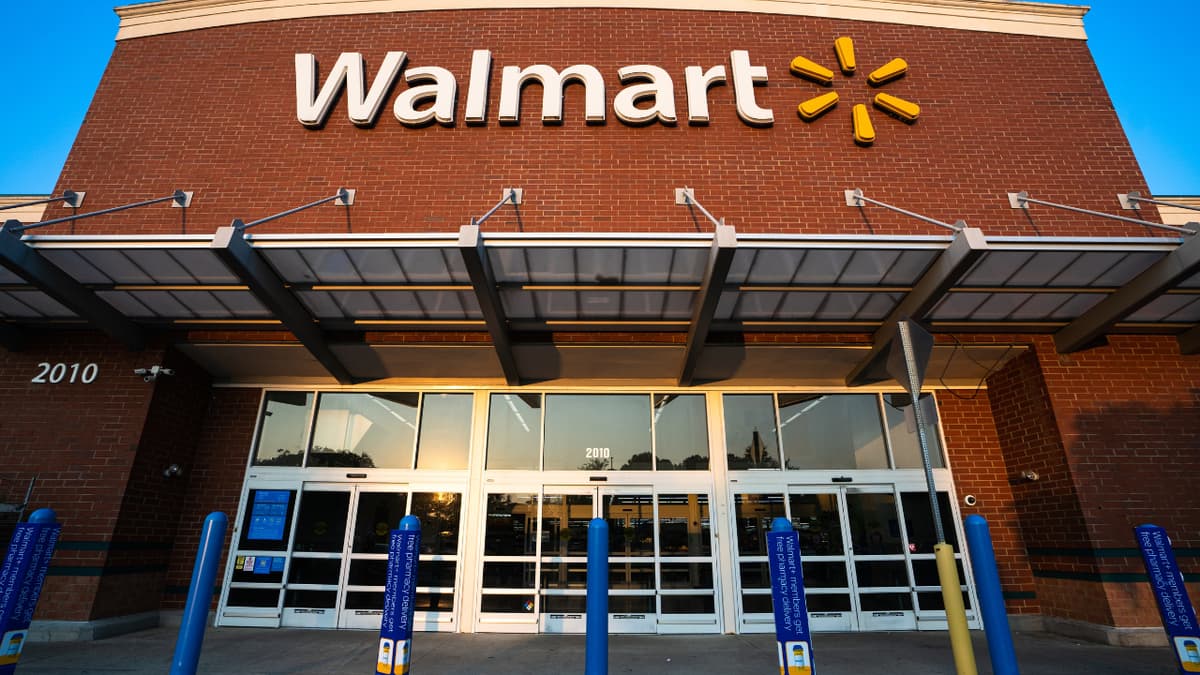
Walmart Steps in for McDonald’s, Dunkin’ Deliveries
Companies Mentioned
Why It Matters
Integrating restaurant delivery deepens Walmart’s omnichannel reach and strengthens its competitive stance against Amazon’s rapid‑delivery model. It also signals a strategic response to regulatory pressure on gig‑worker practices.
Key Takeaways
- •Walmart adds restaurant delivery via Spark at select stores.
- •McDonald's and Dunkin' become in‑store pickup points for Walmart deliveries.
- •Spark driver settlement of $100 million follows FTC mis‑representation claims.
- •Combined grocery and restaurant orders boost same‑day delivery efficiency.
- •Walmart now reaches 95% of U.S. households within three hours.
Pulse Analysis
Walmart’s decision to route McDonald’s and Dunkin’ meals through its Spark gig‑platform marks a notable diversification of its delivery portfolio. By treating restaurant orders as extensions of its grocery shipments, the retailer can fill delivery routes more efficiently, reducing deadhead miles and offering customers a single‑stop solution for food and household essentials. This hybrid model taps into the growing consumer appetite for convenience while leveraging Walmart’s extensive store footprint as micro‑fulfillment hubs.
The rollout arrives amid heightened scrutiny of gig‑economy labor practices. Earlier this year Walmart agreed to a $100 million settlement with the FTC and multiple states after allegations it misled Spark drivers about base pay, tips, and incentive structures. The settlement underscores the regulatory risk inherent in relying on independent contractors for core logistics. Walmart’s proactive integration of restaurant deliveries may also serve to improve driver earnings by bundling higher‑margin food orders with grocery trips, potentially easing some of the criticism surrounding driver compensation.
From a competitive perspective, the initiative narrows the gap with Amazon, which has long championed ultra‑fast, same‑day delivery. Walmart’s e‑commerce segment posted its first profit in April 2025, driven largely by store‑based fulfillment efficiencies. With 95% of U.S. households reachable in under three hours, the retailer is positioned to capture a larger slice of the projected 60% sales growth that e‑commerce will contribute over the next five years. The added restaurant capability not only broadens revenue streams but also reinforces Walmart’s brand as a one‑stop, ultra‑convenient destination for modern shoppers.
Walmart steps in for McDonald’s, Dunkin’ deliveries
Comments
Want to join the conversation?
Loading comments...