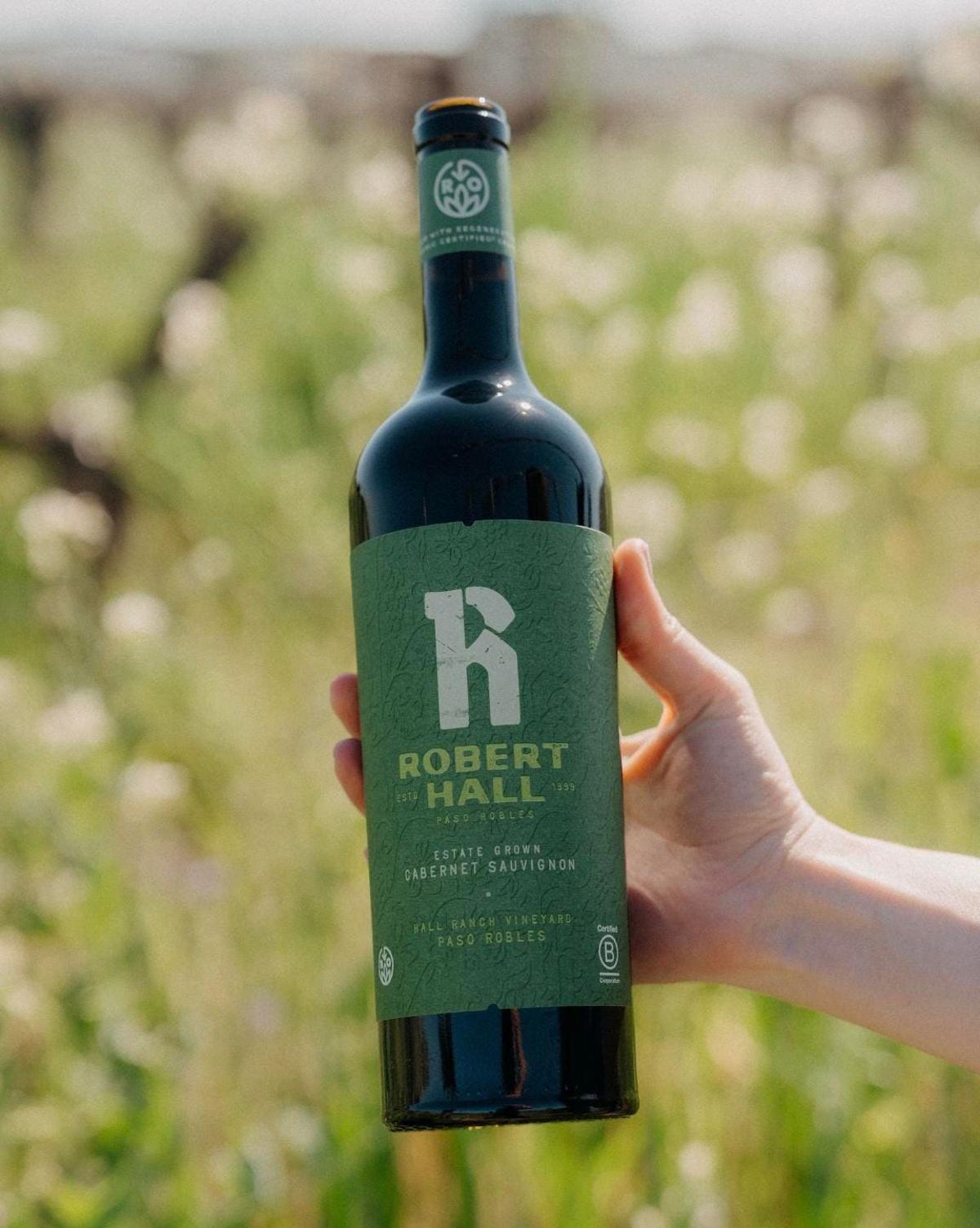
Whole Foods Market Debuts Line Of Robert Hall Wines, The First Domestic Regenerative Organic Certified Wines On Its Shelves
Companies Mentioned
Why It Matters
The launch proves that regenerative organic viticulture can command shelf space and consumer demand, giving retailers a powerful sustainability differentiator as shoppers prioritize eco‑friendly products.
Key Takeaways
- •Whole Foods becomes first grocer to stock domestic ROC‑Certified wines.
- •Robert Hall cut price to $29.99 to boost consumer adoption.
- •ROC‑Certified wines grew 9% sales, while non‑certified fell 3%.
- •Regenerative farming improves soil health, enhancing wine flavor and consumer appeal.
- •Retail shelf placement favors certified wines, driving brand differentiation.
Pulse Analysis
Regenerative Organic Certification (ROC) is emerging as a gold‑standard for agricultural sustainability, and wine offers a vivid storytelling platform. By placing Robert Hall’s ROC‑certified Cabernet Sauvignon and Sauvignon Blanc on its shelves, Whole Foods not only expands its clean‑label portfolio but also signals confidence in a farming model that restores soil health, reduces inputs, and delivers measurable taste improvements. The ROC seal, prominently displayed on the bottle neck, educates shoppers about the regenerative practices behind each sip, turning a simple purchase into a lesson in climate‑positive agriculture.
The timing aligns with shifting consumer preferences in the beverage sector. While sober‑curiosity and ready‑to‑drink formats erode traditional wine volumes, sustainability credentials are driving new growth. SPINS data reveals a 9% year‑over‑year increase in dollar sales for ROC‑certified wines, contrasting with a 3% decline for non‑certified counterparts. Robert Hall’s decision to halve its price—from $59.99 to $29.99—lowers the entry barrier, converting the perception that eco‑premium wines must be expensive. This pricing strategy, coupled with Whole Foods’ premium shelf placement, amplifies visibility and accelerates adoption among mainstream shoppers.
Beyond the immediate sales lift, the partnership sets a precedent for the broader food‑and‑beverage supply chain. Retailers now have a proven case study showing that regenerative labels can differentiate product assortments, command shelf space, and resonate with environmentally conscious consumers. As more growers pursue ROC certification and retailers replicate Whole Foods’ model, the industry could see a cascade effect—greater investment in regenerative practices, expanded consumer education, and ultimately, a measurable reduction in agricultural carbon footprints. The ripple begins with a bottle of wine, but its impact could reshape how the market values sustainability across categories.
Whole Foods Market Debuts Line Of Robert Hall Wines, The First Domestic Regenerative Organic Certified Wines On Its Shelves
Comments
Want to join the conversation?
Loading comments...