Why London Is English Winemaking’s New Hotspot
Why It Matters
Urban wineries are reshaping the English wine narrative, accelerating market adoption and showcasing the viability of domestic grapes in a high‑cost, climate‑challenged region.
Key Takeaways
- •London urban wineries grew from 2013 to over 5 active sites.
- •Shift from imported fruit to predominantly English grapes since 2020.
- •Low‑intervention styles meet demand for fresher, lower‑alcohol wines.
- •Direct‑to‑consumer bars and tours drive brand awareness in city.
- •Scale ranges from 4,000 to 100,000 bottles annually.
Pulse Analysis
London’s wine map is being redrawn as industrial lofts and railway arches become boutique cellars. Since the first urban winery opened in 2013, the city has attracted a cluster of innovators who now source the majority of their fruit from English vineyards in Sussex, Kent and beyond. This shift reduces reliance on costly imports and leverages England’s cool climate to produce light, aromatic wines that align with a global swing toward lower‑alcohol, natural‑style beverages. Climate volatility remains a challenge, but the flexibility of low‑intervention methods allows winemakers to pivot quickly, often opting for pét‑nats in cooler vintages.
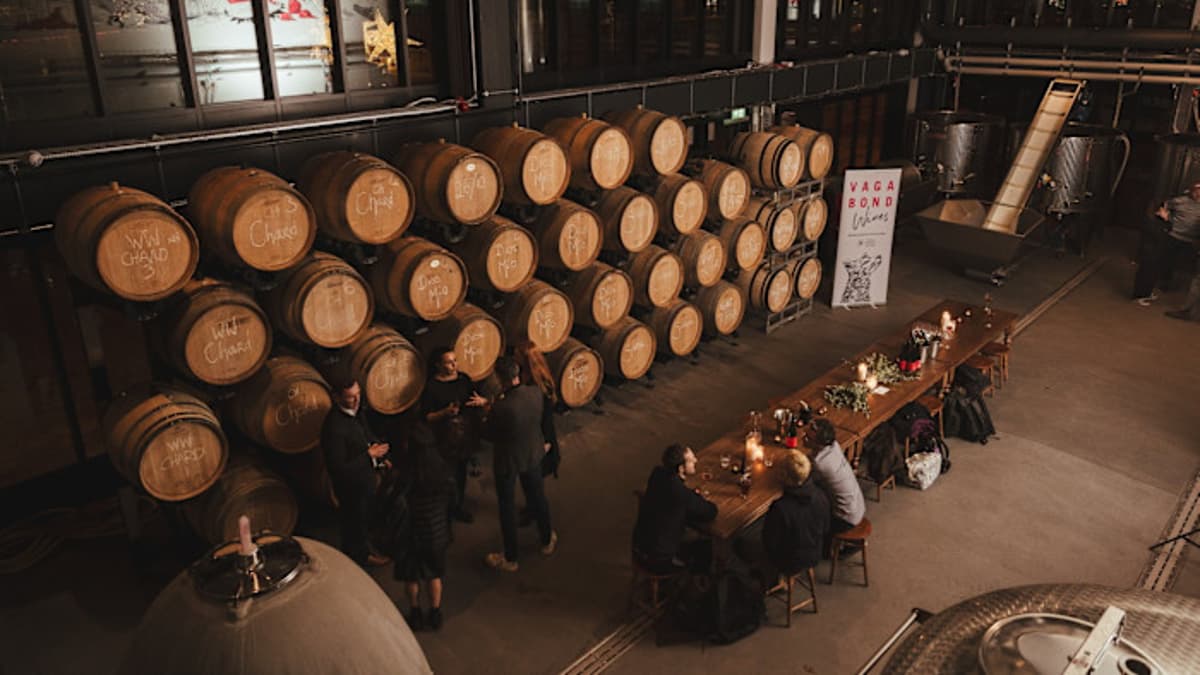
The business model behind the buzz blends traditional négociant practices with a hyper‑local, experiential retail approach. Vagabond Wines, now backed by Majestic, operates a purpose‑built facility capable of 100,000 bottles a year and sells exclusively through its own bars equipped with Enomatic tasting machines. Smaller players like Numbers Wine and Blackbook rely on intimate tours, pop‑up events and direct‑to‑consumer shipments to build loyal followings. These strategies bypass the lengthy distribution chains of classic English sparkling houses, delivering fresh releases to consumers at price points such as £20 (≈ $25) per bottle, a figure that feels premium yet accessible in a city that values culinary discovery.
The ripple effects extend beyond London’s borders. By proving that English grapes can sustain commercial production at scale, urban wineries are bolstering the country’s export narrative, with wines already reaching markets in Norway and South Africa. Their success also signals a broader industry resilience: proximity to growers shortens logistics, while the city’s cultural cachet attracts a new generation of wine enthusiasts. As climate change reshapes growing seasons, the agility and consumer‑centric focus of London’s urban wineries position England to compete on the global stage, turning a once‑niche region into a credible wine‑making destination.
Why London is English winemaking’s new hotspot
Comments
Want to join the conversation?
Loading comments...