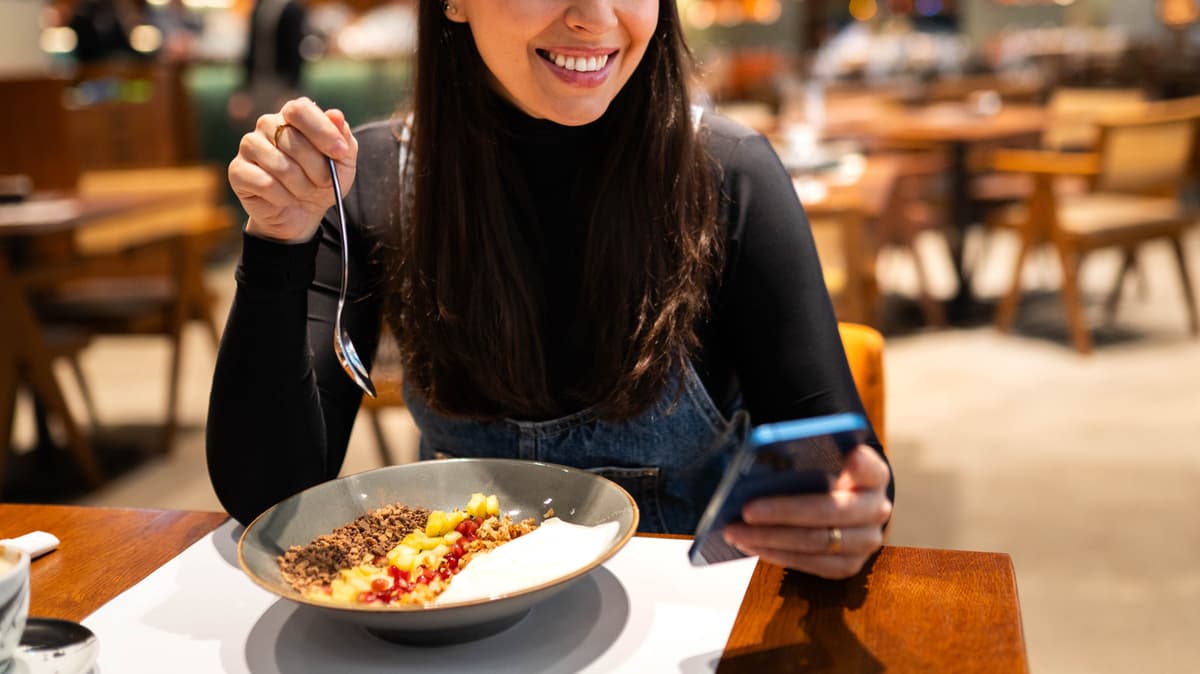
Why Solo Dining Is Starting To Become More Popular
Companies Mentioned
Why It Matters
The boom in solo reservations forces restaurants to rethink seating, service models, and marketing, unlocking new revenue streams. It also reflects broader cultural changes around work‑life balance and mental‑health‑focused consumption.
Key Takeaways
- •Solo‑dining reservations up 64% from 2019 to 2025 (OpenTable)
- •Remote workers use restaurants as a break from home office
- •Gen Z’s lower relationship rates boost one‑person dining demand
- •Solo dining viewed as self‑care, counteracting digital overload
- •Restaurants add communal tables and single‑serve menus to attract solo diners
Pulse Analysis
The rapid climb of solo dining is more than a statistical curiosity; it marks a structural evolution in the hospitality sector. OpenTable’s 64% jump in single‑person bookings since 2019 coincides with the expansion of remote work, which has turned the office‑home boundary into a fluid space. Employees seeking a change of scenery are swapping kitchen tables for restaurant booths, while younger generations—particularly Gen Z—are less likely to be coupled, turning meals into personal rituals rather than shared events. This convergence of work‑style flexibility and shifting relationship dynamics fuels a steady stream of one‑person diners.
Restaurant operators are taking notice, redesigning floor plans to include communal tables, bar‑side seating, and smaller, single‑serve menu options that cater to solo guests. Marketing teams now craft campaigns that celebrate the "you‑time" experience, highlighting curated playlists, tablet‑based ordering, and quiet corners for reading or working. Such adaptations not only improve table turnover but also open ancillary revenue channels, from premium single‑portion dishes to add‑on experiences like guided wine tastings for one. The operational shift underscores a broader industry pivot toward personalization and flexibility.
Beyond economics, the solo‑dining surge reflects a cultural turn toward self‑care and digital detox. As Pew Research notes, 41% of Americans are online almost constantly, prompting many to seek offline reprieve in public spaces. Dining alone offers a controlled social setting where individuals can disconnect from screens, reflect, and engage with their surroundings on their own terms. This practice, sometimes labeled "solo dating," is likely to embed itself in post‑pandemic lifestyle habits, positioning solo dining as a staple of modern self‑maintenance rather than a temporary fad.
Why Solo Dining Is Starting To Become More Popular
Comments
Want to join the conversation?
Loading comments...