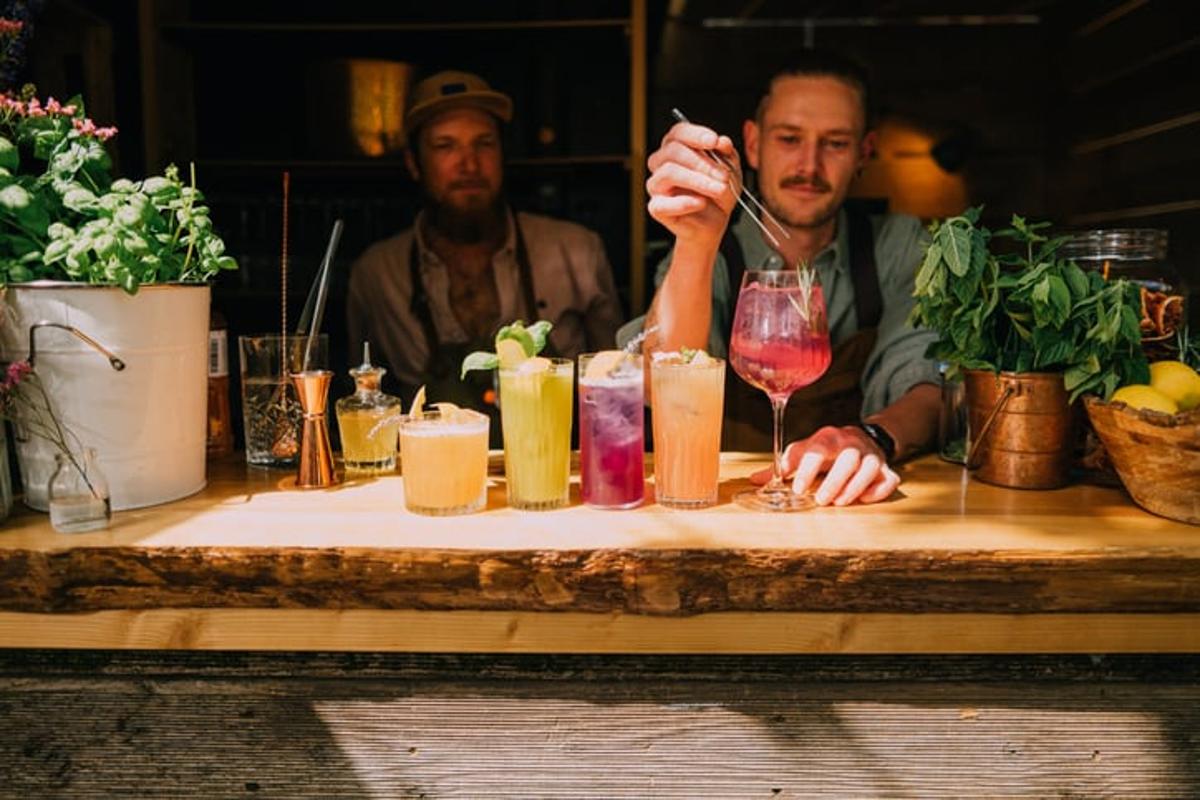
Widening the Appeal of Non-Alcoholic Drinks
Why It Matters
The rapid growth and D2C advantage signal a structural shift in beverage consumption, opening scalable pathways for non‑alcohol brands to capture wellness‑focused spend beyond elite urban markets.
Key Takeaways
- •California leads non‑alcohol market with $128 m sales, 20% growth
- •Texas, Florida, Colorado, Massachusetts together hold 37% of U.S. sales
- •Online D2C channels grew 208% YoY, bypassing three‑tier system
- •Non‑alcohol brands can use hemp or CBD to attract 'cali‑sober' consumers
- •Shipping costs challenge margins, but brands accept loss for trial and loyalty
Pulse Analysis
The non‑alcoholic beverage sector is shedding its niche image and emerging as a mainstream growth engine. California, often dubbed a wellness state, tops the market with $128 million in off‑premise sales and a 20% annual increase, reflecting consumers’ willingness to spend on healthier alternatives. Texas, Florida, Colorado and Massachusetts round out the top five, together delivering over a third of national revenue. This concentration in high‑income, trend‑savvy regions underscores the category’s alignment with disposable‑income‑driven lifestyle choices, from craft mocktails to functional drinks infused with hemp or CBD.
A decisive competitive edge lies in the ability to sell directly to consumers. Unlike alcoholic spirits bound by the three‑tier distribution model, non‑alcoholic brands can ship nationwide, a flexibility that fueled a 208% year‑on‑year surge in online sales. D2C channels not only broaden geographic reach but also serve as proof‑of‑concept for retailers, accelerating shelf placement. However, the logistics of heavy glass bottles and liquid freight inflate costs, prompting many companies to accept slimmer margins in exchange for market penetration and brand loyalty.
Looking ahead, brands eyeing expansion must balance regional depth with national breadth. Starting in familiar markets—often the brand’s home state—allows for controlled growth before leveraging D2C success to win retail partnerships. The rise of the "cali‑sober" movement, where consumers substitute alcohol with cannabis‑infused or CBD‑enhanced drinks, adds a functional dimension that could further diversify the category. As wellness trends persist and distribution barriers remain low, the non‑alcoholic sector is poised for sustained double‑digit growth across the United States.
Widening the appeal of non-alcoholic drinks
Comments
Want to join the conversation?
Loading comments...