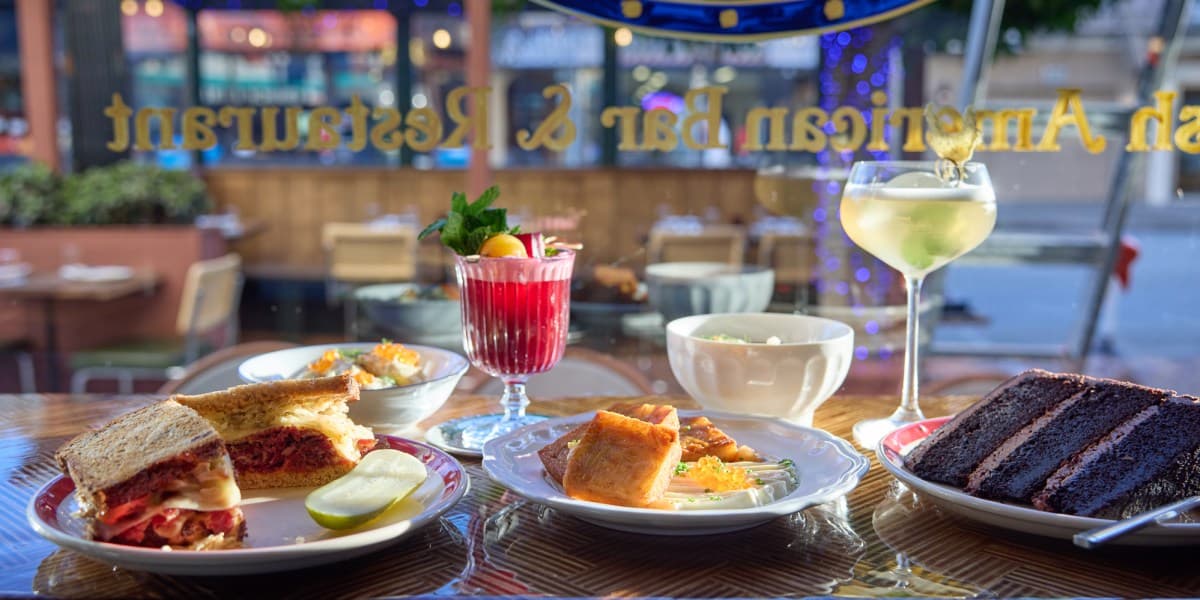
You Can Get Some of the Best Food in California at These Neo-Retro Diners
Why It Matters
The trend signals that consumers are willing to pay more for nostalgic yet refined comfort food, prompting restaurateurs to reinvent the diner model and boosting local food economies.
Key Takeaways
- •Jumbo’s Win Win blends classic burgers with house‑brewed pickle beer.
- •Super Mensch reimagines Jewish deli staples with cocktail‑bar flair in Marina.
- •Max & Helen’s offers midcentury diner vibe using Nancy Silverton’s culinary expertise.
- •Neo‑retro diners prioritize local ingredients like pasture‑raised meat and regional cream.
- •Trend attracts food‑focused tourists seeking upscale comfort cuisine.
Pulse Analysis
The rise of neo‑retro diners in California reflects a cultural convergence of nostalgia and culinary ambition. By reinterpreting the familiar diner format with high‑quality, locally sourced ingredients, these venues tap into a consumer desire for authenticity paired with elevated taste. Natural wines, house‑brewed beverages, and farm‑fresh dairy replace the traditional coffee‑and‑pancake staples, positioning the diner as a destination for food enthusiasts rather than a mere pit stop. This evolution aligns with the state’s broader farm‑to‑table movement, reinforcing regional agricultural ties and encouraging sustainable sourcing practices.
Each highlighted concept brings a distinct spin to the retro formula. Jumbo’s Win Win, founded by former San Francisco cocktail veteran Scott Baird, offers meticulously crafted smash burgers and a signature pickle‑beer that celebrates the Anderson Valley’s agricultural roots. In San Francisco, Super Mensch transforms a classic Jewish deli into a sleek cocktail bar, marrying house‑cured pastrami with inventive libations under chef Adam Rosenblum’s direction. Meanwhile, Max & Helen’s, co‑created by TV host Phil Rosenthal and acclaimed chef Nancy Silverton, delivers mid‑century Americana with a modern culinary pedigree, drawing diners to Larchmont’s walkable neighborhood. These stories illustrate how seasoned chefs and media personalities are leveraging the diner’s nostalgic cachet to launch upscale, experience‑driven concepts.
The broader implications are significant for the hospitality industry. Elevated comfort food appeals to a demographic that values both familiarity and culinary craftsmanship, driving higher average checks and encouraging repeat visits. As tourists seek Instagram‑ready, locally rooted experiences, neo‑retro diners become culinary landmarks that boost regional tourism revenue. Moreover, the model’s scalability—combining low‑overhead diner operations with premium menu items—offers a blueprint for expansion into other markets hungry for a blend of heritage and haute cuisine. This wave may reshape casual dining, prompting legacy chains to innovate or risk obsolescence.
You Can Get Some of the Best Food in California at These Neo-Retro Diners
Comments
Want to join the conversation?
Loading comments...