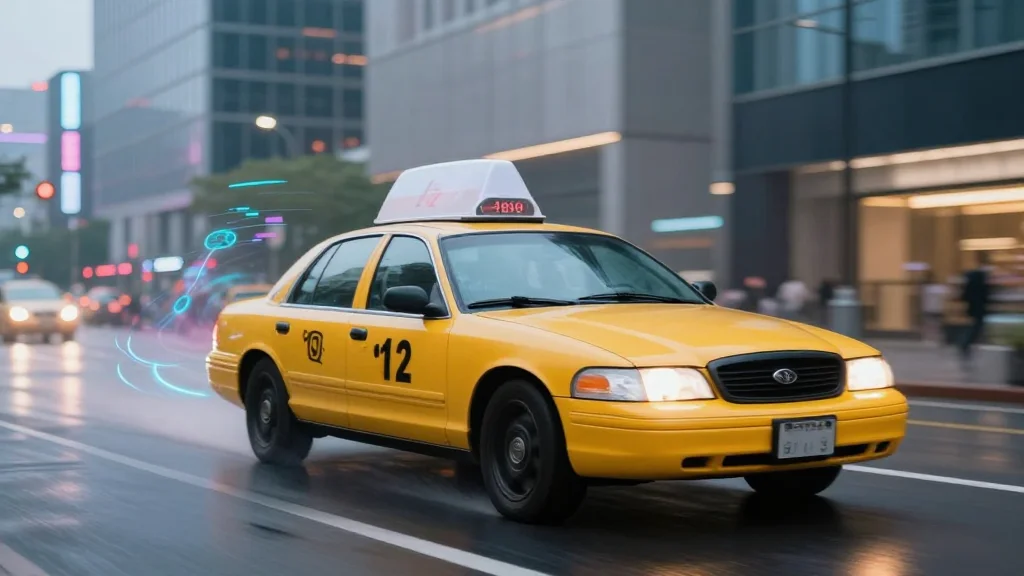
Crazy Taxi Is Back, but Sega's Use of Generative AI Steals the Spotlight
Companies Mentioned
Why It Matters
Sega’s AI‑enhanced development signals mainstream adoption of generative tools, potentially reshaping production pipelines and cost structures. The move also tests consumer tolerance for AI involvement in beloved legacy franchises.
Key Takeaways
- •Sega uses generative AI as a support tool in Crazy Taxi development.
- •Crazy Taxi: World Tour launches 2027 on Switch 2, PS5, PC, Xbox.
- •New mini‑games expand arcade formula beyond passenger deliveries.
- •AI use sparks industry debate over artistic integrity and sustainability.
- •Sega’s revival follows 2023 plan to reboot legacy franchises.
Pulse Analysis
The upcoming Crazy Taxi: World Tour blends nostalgia with modern design, targeting a broad console and PC audience in 2027. Beyond the iconic rush‑to‑destination gameplay, Sega introduces side activities such as a fishing mini‑game and a pizza‑balancing challenge, aiming to broaden the arcade experience without alienating longtime fans. The trailer’s bright, San Francisco‑style cityscape showcases high‑fidelity visuals, while the inclusion of generative AI tools hints at a more efficient content pipeline, allowing artists to focus on creative iteration rather than repetitive asset creation.
Sega’s admission of AI‑assisted development arrives amid a polarizing industry conversation. Proponents argue that generative models can accelerate prototyping, reduce production costs, and democratize content creation for smaller studios. Critics, however, raise concerns about artistic integrity, the environmental impact of large‑scale compute, and the ethical implications of training models on unlicensed artwork. By positioning AI as a "support" rather than a core creative engine, Sega attempts to navigate these tensions, but the lack of transparency about the extent of AI involvement leaves stakeholders questioning the true depth of its influence.
Strategically, the Crazy Taxi reboot fits into Sega’s broader 2023 initiative to revive legacy franchises such as Jet Set Radio and Streets of Rage. Leveraging a recognizable IP while experimenting with cutting‑edge tools could rejuvenate the brand and attract both nostalgic players and a new generation seeking fresh experiences. Success will depend on how well the AI‑enhanced workflow translates into compelling gameplay and whether the market embraces the hybrid of classic arcade roots with modern development technology. If well‑received, Sega may set a precedent for other studios to adopt AI without compromising creative authenticity.
Crazy Taxi is back, but Sega's use of generative AI steals the spotlight
Comments
Want to join the conversation?
Loading comments...