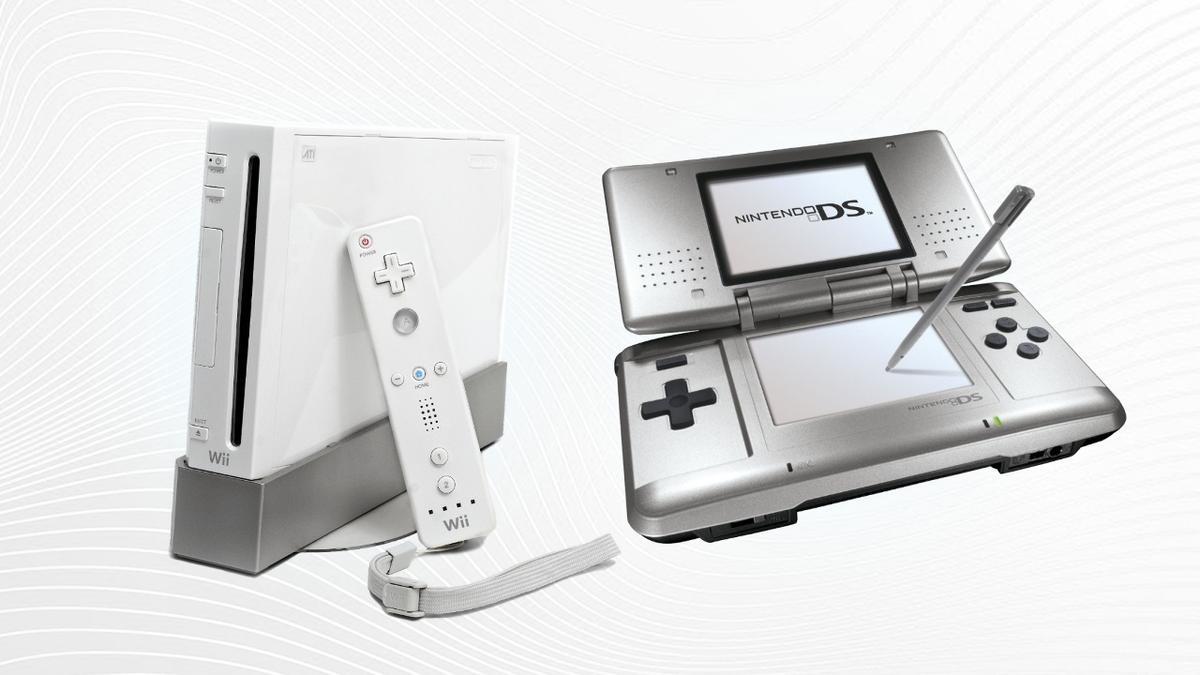
Former Nintendo Exec Reveals Why It Stopped Selling Wii and DS Systems to Amazon
Companies Mentioned
Why It Matters
The episode underscores how pricing pressure from dominant online retailers can force console makers to choose between short‑term volume and long‑term brand and margin protection, shaping industry distribution norms.
Key Takeaways
- •Amazon demanded deep discounts to undercut Walmart, violating pricing rules.
- •Nintendo refused, ending DS and Wii sales to Amazon in early 2010s.
- •Decision preserved margins and retailer relationships, reinforcing Nintendo’s pricing discipline.
- •The rift resurfaced in 2024, but healed for Switch 2 launch.
Pulse Analysis
Nintendo’s retail philosophy has long hinged on controlled pricing and strong relationships with brick‑and‑mortar partners. By limiting deep‑discount demands, the company safeguards profit margins and brand perception, especially for flagship hardware like the Wii and DS. This approach contrasts with Amazon’s aggressive price‑war strategy, which seeks to dominate market share by offering the lowest possible retail price, even at the expense of supplier profitability.
When Amazon pressed Nintendo for “obscene” financial support to beat Walmart, the request crossed legal lines under U.S. antitrust and resale‑price‑maintenance rules. Nintendo’s refusal not only avoided potential violations but also sent a clear signal to the broader retail ecosystem that it would not compromise its pricing standards. The decision preserved Nintendo’s leverage with other retailers, ensuring a level playing field and preventing a race‑to‑the‑bottom that could erode hardware margins.
The 2024 pause in the partnership highlighted lingering tensions as Amazon expanded its gaming storefront, yet the reconciliation for the Switch 2 launch shows a pragmatic shift. Both parties recognized mutual benefits: Nintendo gains Amazon’s massive distribution reach, while Amazon secures exclusive launch inventory. This episode offers a template for other console manufacturers navigating the power dynamics of dominant e‑commerce platforms, emphasizing the importance of upholding pricing integrity while remaining adaptable to evolving market channels.
Former Nintendo exec reveals why it stopped selling Wii and DS systems to Amazon
Comments
Want to join the conversation?
Loading comments...