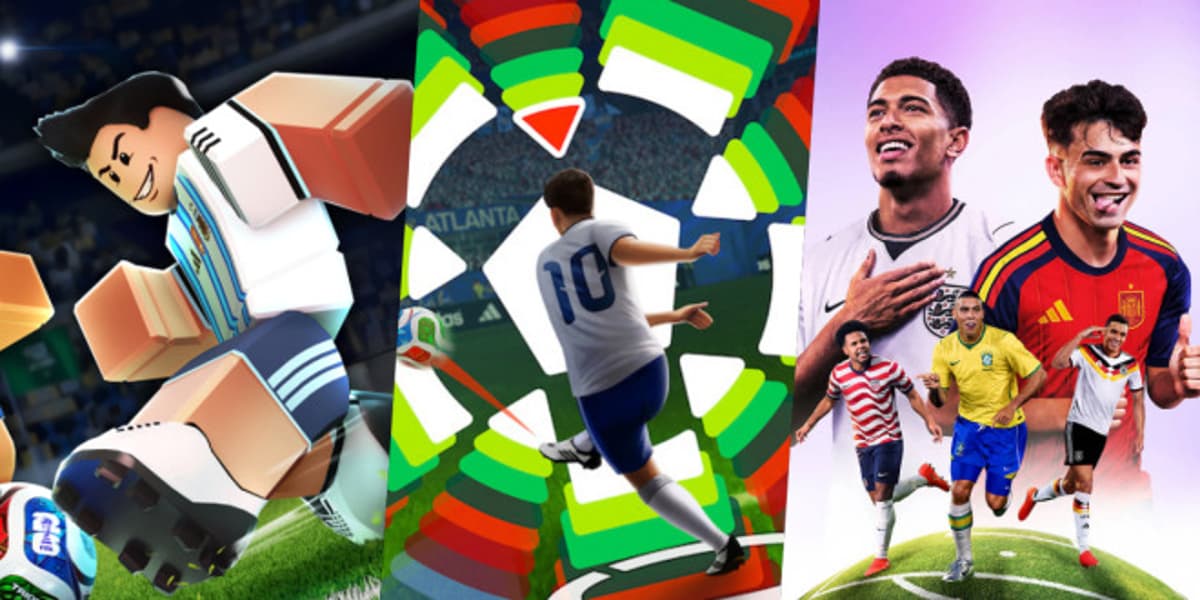
Games Are Getting Match Ready for the FIFA World Cup 2026
Companies Mentioned

Why It Matters
By sharing the commercial upside across multiple developers, FIFA expands its global reach, drives higher engagement, and creates new revenue streams beyond the traditional console market.
Key Takeaways
- •FIFA adopts non‑exclusive licensing, enabling multiple game publishers simultaneously
- •Konami, Sega, EA, Roblox, Netflix each launch World Cup‑themed modes
- •Roblox event logs 1.5 million daily sessions, 1.1 billion total visits
- •EA’s “World’s Game” adds 48‑team tournament without official branding
- •Mobile‑first titles expand World Cup reach beyond traditional console gamers
Pulse Analysis
FIFA’s shift to a non‑exclusive licensing model for the 2026 World Cup reflects a broader digital‑first strategy that treats the tournament as a multi‑platform franchise. By abandoning the long‑standing exclusive deal with EA, the governing body created a "Digital Football Strategy" that invites simulation, casual, social and esports partners to co‑create content. This approach not only diversifies revenue sources but also mitigates risk, as the tournament’s visibility is no longer tied to a single game’s performance. The move aligns with the gaming industry’s trend toward ecosystem collaboration, where cross‑promotion and shared audiences amplify brand impact.
The immediate impact is evident across the ecosystem. Konami’s eFootball rolled out a two‑month International Cup, offering free Messi and Yamal cards and a full tournament bracket. Sega’s Football Manager 26 added a dedicated World Cup mode, giving managers direct control of any of the 48 qualified nations. EA’s FC 26 introduced a "World’s Game" update that mirrors the real‑world bracket despite lacking official branding, while Roblox’s FIFA Super Soccer hub logged 1.5 million daily sessions and surpassed 1.1 billion visits. Netflix entered the arena with a launch‑edition game designed for quick, shared‑screen play, positioning the title as a subscriber‑growth tool. Even casual titles like Angry Birds 2 leveraged the event, proving the tournament’s appeal reaches beyond hardcore football fans.
For marketers and investors, the multi‑publisher rollout signals a new revenue frontier. Brands can now embed sponsorships across diverse touchpoints—from high‑stakes esports tournaments to mobile micro‑transactions—maximizing exposure to a broader demographic. The convergence of traditional sports media, gaming, and streaming platforms creates a unified fan experience that can be monetized through in‑game purchases, ad placements, and data‑driven personalization. As the World Cup continues to blur the lines between sport and interactive entertainment, publishers that can seamlessly integrate real‑time data, live‑score feeds, and social features will capture the most value, setting a template for future major sporting events.
Games are getting match ready for the FIFA World Cup 2026
Comments
Want to join the conversation?
Loading comments...