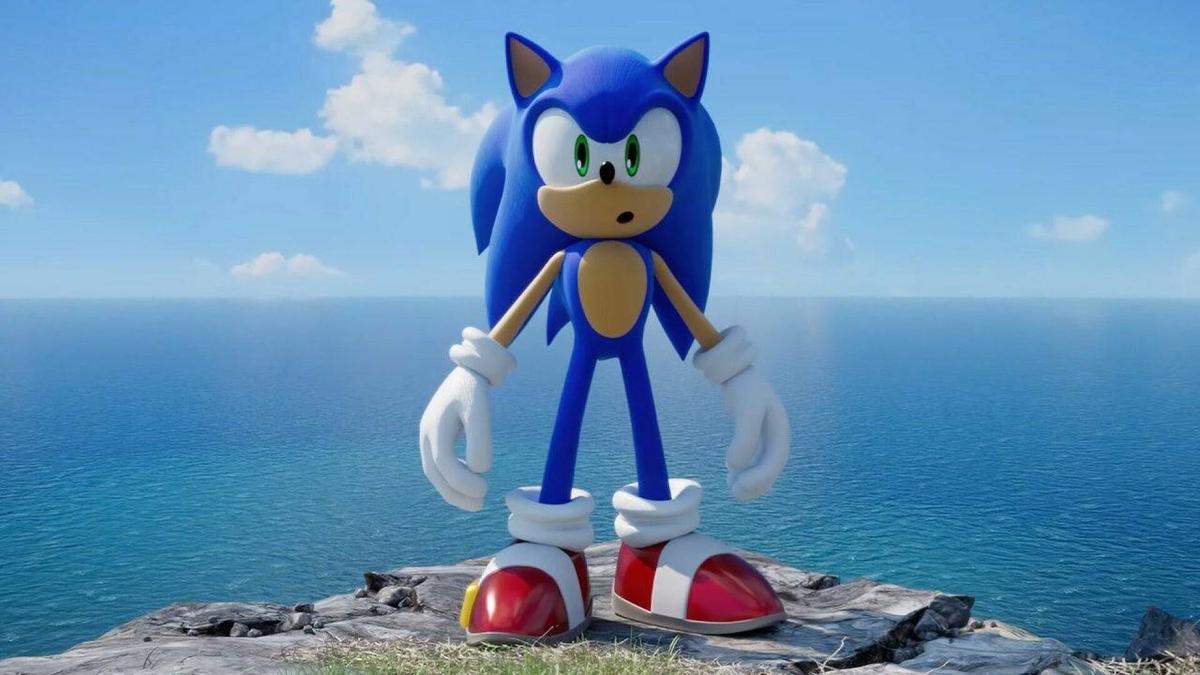
Sonic Team Head Talks About How SEGA Was Once Ready to Stop Making Sonic Games
Companies Mentioned
Why It Matters
The admission underscores how fan loyalty can rescue a legacy IP, and signals SEGA’s renewed commitment to leveraging multi‑platform releases for sustained revenue.
Key Takeaways
- •SEGA once debated ending the Sonic franchise
- •Iizuka moved to US to revive Sonic after low point
- •Fan support credited for Sonic's recent resurgence
- •Sonic Frontiers: Definitive Edition slated for Switch 2
- •Iizuka hopes to remaster entire Sonic library
Pulse Analysis
The Sonic franchise, launched in 1991, has experienced a roller‑coaster of critical and commercial highs and lows. Internal documents from the early 2010s show SEGA executives debating whether to retire the blue hedgehog after a string of poorly received titles, including the Sonic Boom series. Such deliberations are rare for a flagship property, highlighting the brand’s vulnerability when market performance falters. By acknowledging these moments publicly, Takashi Iizuka provides a rare glimpse into corporate risk assessment and the strategic pivots required to preserve a legacy IP.
Iizuka’s relocation to the United States marked a turning point. Charged with rebuilding the franchise, he coordinated cross‑regional development, aligning game design with the burgeoning Sonic movie universe that began in 2020. The synergy between film, animation, and interactive media re‑energized a fan base that had remained loyal despite earlier setbacks. This fan‑driven resurgence translated into higher sales for titles like Sonic Mania and Sonic Forces, proving that community advocacy can directly influence a company’s product roadmap. SEGA’s acknowledgment of fan impact reflects a broader industry trend where consumer sentiment drives content decisions.
Looking ahead, SEGA’s upcoming Sonic Frontiers: Definitive Edition for the Nintendo Switch 2 illustrates a strategic push toward next‑gen console adoption and catalog consolidation. Iizuka’s ambition to remaster the entire Sonic library on modern hardware could unlock new revenue streams through nostalgia‑driven purchases and subscription bundles. For investors and industry watchers, the move signals SEGA’s intent to treat Sonic not just as a nostalgic mascot but as a multi‑platform revenue engine capable of competing in today’s crowded entertainment landscape.
Sonic Team head talks about how SEGA was once ready to stop making Sonic games
Comments
Want to join the conversation?
Loading comments...