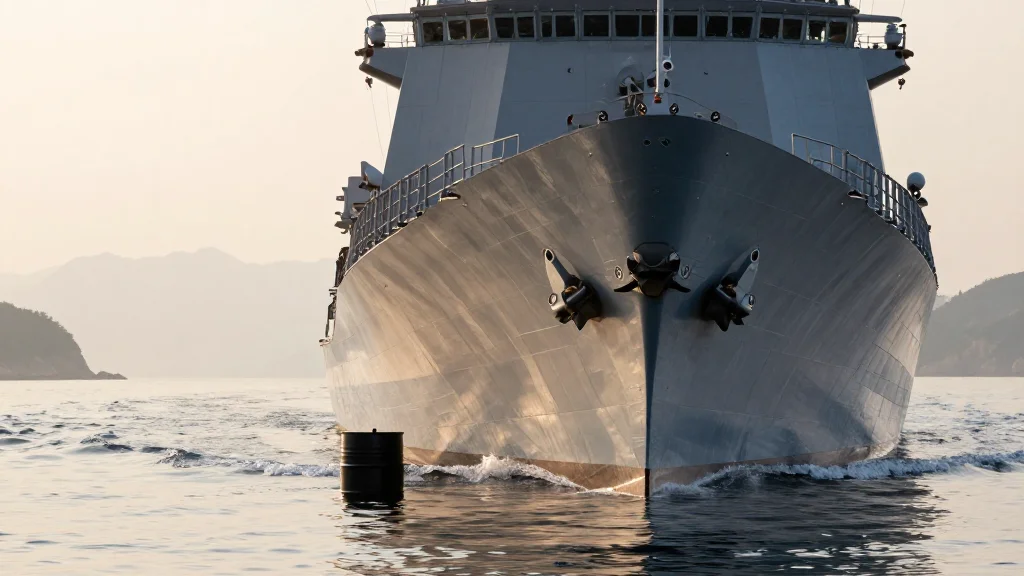
American Madman Blockades Hormuz and Aussie Economy
Key Takeaways
- •Trump orders US Navy to block all vessels in Strait of Hormuz
- •Blockade cuts Iran's main oil export route, tightening global supply
- •Anticipated oil price surge could hit Australian fuel costs sharply
- •US action raises risk of naval confrontation in a vital shipping lane
- •Markets may see heightened volatility in energy and commodity sectors
Pulse Analysis
The decision to seal the Strait of Hormuz marks a dramatic escalation in U.S. foreign policy toward Iran, echoing Cold‑War‑era naval blockades that aimed to coerce adversaries by choking their lifelines. Historically, the 25‑mile chokepoint has accounted for roughly a fifth of the world’s petroleum flow, making any disruption a potent lever of economic pressure. By deploying warships and asserting a blanket interdiction, the Trump administration signals a willingness to use hard power to achieve diplomatic objectives, a stance that could reverberate across other contested maritime corridors.
Energy markets reacted instantly, with Brent crude spiking above $100 per barrel and futures traders pricing in a sustained supply deficit. For Australia, a net importer of refined fuels, the ripple effect translates into higher pump prices, tighter margins for airlines, and upward pressure on inflation. The country’s mining sector, heavily reliant on diesel‑fuelled equipment, may also feel cost pressures that could erode export competitiveness. Analysts project a 5‑10% increase in Australian fuel costs over the next quarter if the blockade persists, prompting policymakers to consider strategic petroleum reserves and alternative supply routes.
Beyond immediate price shocks, the blockade raises the specter of naval confrontation in one of the world’s busiest shipping lanes. Any miscalculation could spiral into broader conflict, prompting insurance premiums to surge and prompting shippers to reroute around the Cape of Good Hope, adding weeks to transit times. Investors should monitor diplomatic overtures, potential UN interventions, and the response of regional powers such as Saudi Arabia and the United Arab Emirates. Diversifying energy exposure and hedging commodity positions may mitigate downside risk as the geopolitical landscape evolves.
American Madman blockades Hormuz and Aussie economy
Comments
Want to join the conversation?