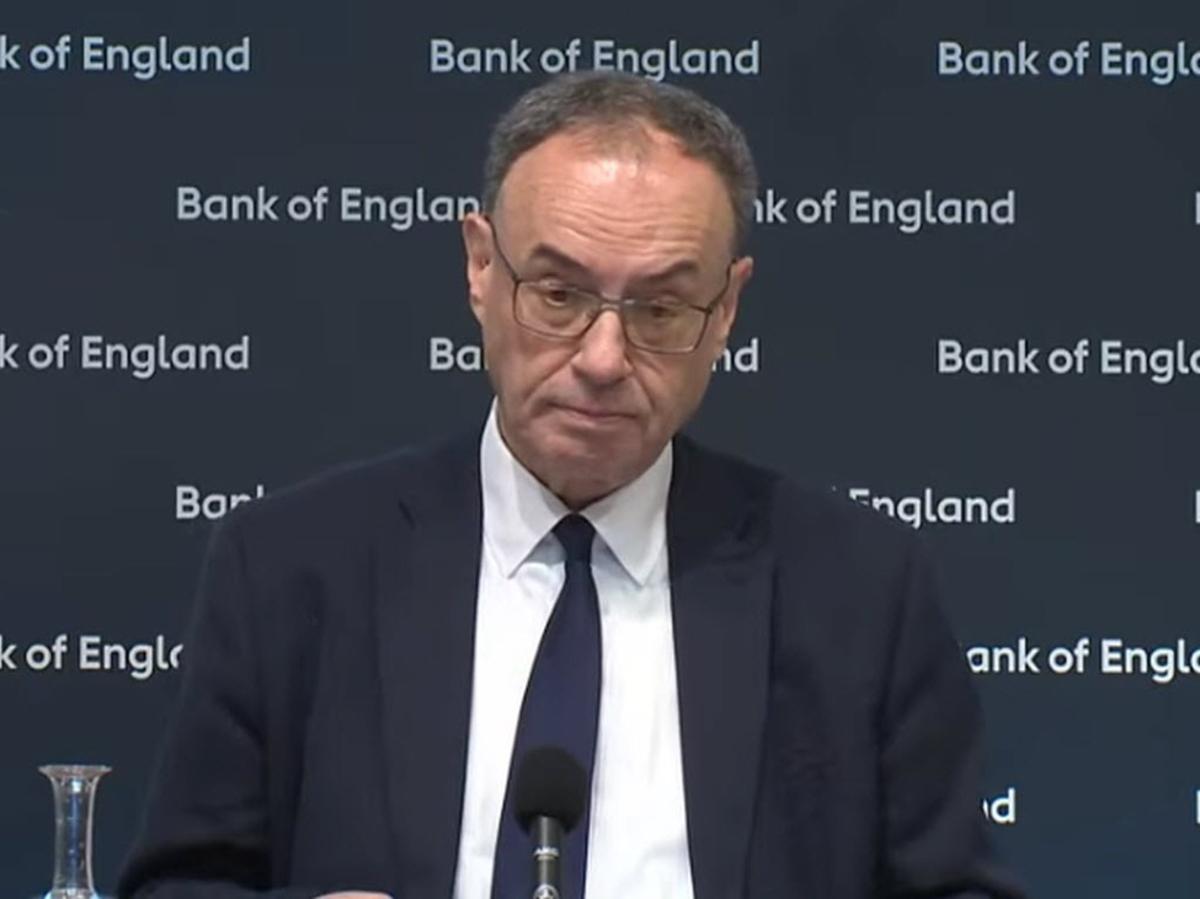
BOE Bailey: Financial Market Tightening Gives Us some Time to Assess Raiseing Rates or Not
Key Takeaways
- •Market tightening buys BOE time before deciding on further rate hikes
- •Scenario B predicts moderate energy shock, inflation peaking above 3.5% in 2026
- •Officials warn wage inflation could embed if 2026 price pressures persist
- •Escalating Middle East conflict may force rapid, decisive BOE policy action
Pulse Analysis
The Bank of England’s recent commentary reflects a nuanced balance between easing financial conditions and lingering inflationary pressures. By pointing to market tightening as a temporary cushion, Governor Bailey signals that the MPC is not in a rush to tighten policy further, yet the underlying narrative remains one of caution. Scenario B, the moderate pathway outlined in the April 2026 Monetary Policy Report, projects a persistent energy price shock that keeps headline inflation marginally above the 3.5% threshold through the end of 2026. This outlook requires the BOE to maintain a tighter stance longer than markets had priced in, without embarking on the aggressive rate‑hiking cycle envisioned in the severe Scenario C.
A key concern emerging from the statements is the potential for inflation to become entrenched in wage negotiations. MPC member Mann warned that if price pressures linger into late 2026, they could be baked into collective bargaining agreements for 2027, creating a wage‑price spiral that would be harder to reverse. This risk underscores the importance of forward‑looking guidance and the BOE’s monitoring of labour market dynamics, especially as growth shows signs of softening. By signaling awareness of these second‑round effects, the central bank aims to pre‑emptively anchor expectations and avoid a sudden loss of credibility.
Geopolitical uncertainty adds another layer of complexity. Breeden’s remarks about a prolonged Middle‑East conflict highlight the possibility of a rapid policy pivot should energy markets face a second‑round shock. Such a scenario could compress futures curves and force the BOE to act decisively, potentially spurring volatility in gilt yields and foreign exchange markets. Investors and corporates alike must therefore prepare for a range of outcomes, from a steady, moderate tightening path to a swift, reactionary rate move driven by external shocks, each carrying distinct implications for credit conditions and investment strategies.
BOE Bailey: Financial market tightening gives us some time to assess raiseing rates or not
Comments
Want to join the conversation?