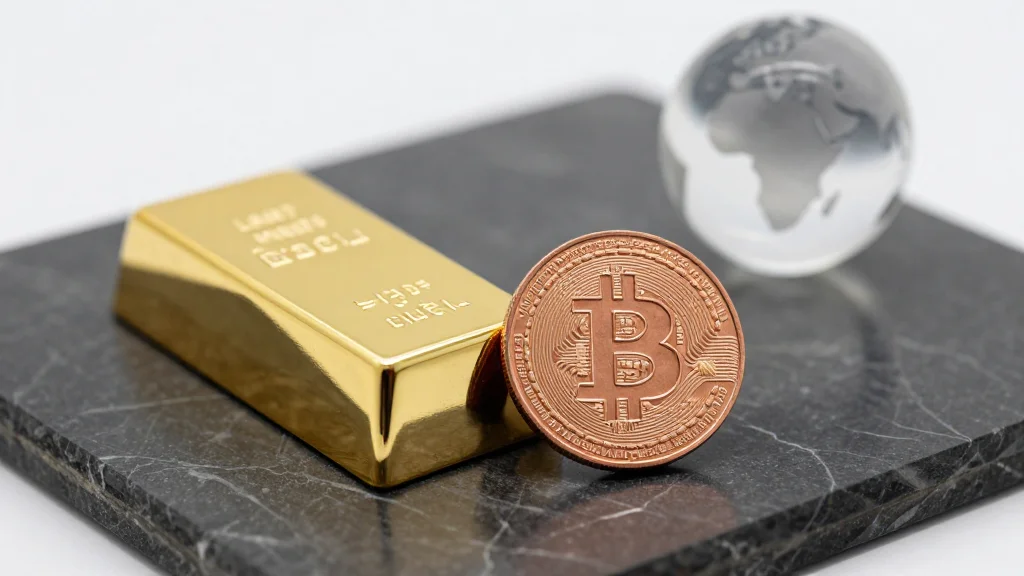
Crypto’s Struggle Vs. Commodities: Why Capital Is Rotating Back to “Hard Assets”
Key Takeaways
- •Commodities rally on inflation, geopolitics, and supply constraints.
- •Bitcoin and Ethereum underperform, trending with risk assets.
- •Higher rates raise cost of holding non‑yielding crypto.
- •Institutions rebalance, cutting crypto exposure, boosting commodity allocations.
- •Regulatory uncertainty hampers crypto, while commodities enjoy stable oversight.
Pulse Analysis
The current macro backdrop is tilting the risk‑return equation in favor of tangible assets. Persistent inflation has revived the classic appeal of commodities as a direct hedge, while geopolitical flashpoints—from energy supply disruptions to agricultural trade bottlenecks—have tightened physical markets. At the same time, massive infrastructure and electrification programs are driving demand for industrial metals such as copper and aluminum. For investors, these dynamics translate into price appreciation and a diversification benefit that is difficult to replicate with paper‑based securities.
Cryptocurrencies, once marketed as “digital gold,” are losing that defensive cachet. Bitcoin and Ethereum have slipped sharply this quarter and now move in lockstep with high‑beta technology stocks, a pattern amplified by rising interest rates that increase the opportunity cost of holding non‑yielding tokens. The tightening of global liquidity and lingering regulatory ambiguity further dampen institutional appetite, as compliance costs and potential enforcement actions add layers of risk. Consequently, many asset managers are trimming crypto allocations, treating them as speculative rather than core holdings.
The reallocation has practical implications for portfolio construction. Multi‑asset funds are re‑weighting toward energy, metals and agricultural futures, using them as both inflation buffers and sources of uncorrelated return. Yet the story is not a zero‑sum battle; forward‑looking investors may still view crypto as a complementary growth engine, especially if blockchain innovation or clearer regulatory frameworks materialize. Monitoring central‑bank policy, geopolitical developments, and the pace of digital‑asset adoption will be essential for deciding how much capital to allocate to hard assets versus the evolving crypto landscape.
Crypto’s Struggle vs. Commodities: Why Capital Is Rotating Back to “Hard Assets”
Comments
Want to join the conversation?