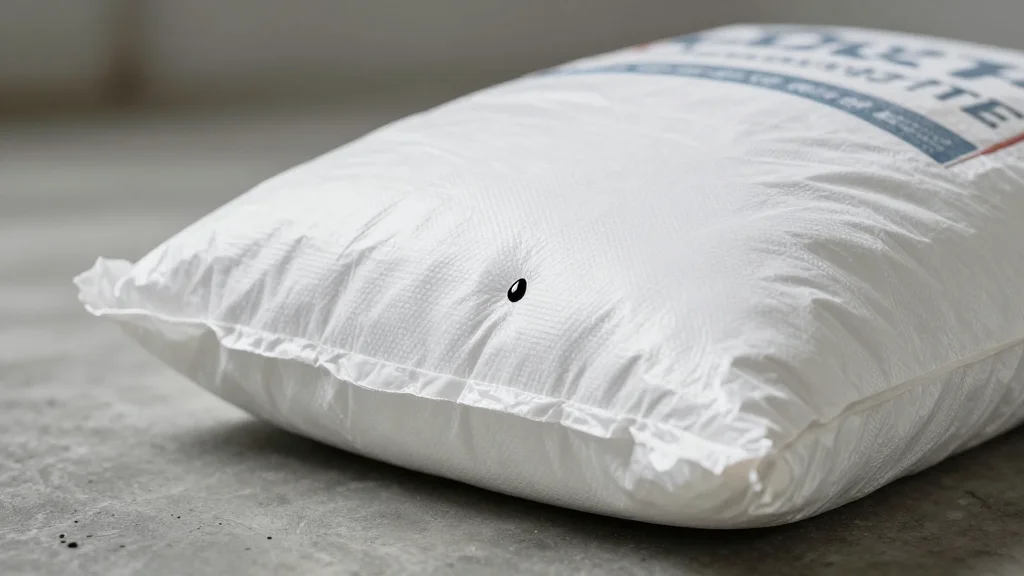
From Hormuz to Farms and Food, a Crisis Is Looming – by Terence Corcoran (Financial Post – May 13, 2026)
Key Takeaways
- •Hormuz blockage threatens global fertilizer supply chains
- •Fertilizer price spikes could raise food costs in developing markets
- •44% of poorest households' budgets already spent on food
- •Potential malnutrition surge may trigger social and political unrest
Pulse Analysis
The Strait of Hormuz, a chokepoint for roughly 20% of the world’s petroleum flow, now poses a secondary risk: fertilizer scarcity. Modern nitrogen‑based fertilizers are derived from natural gas, and the region’s oil‑and‑gas logistics feed the global production network. When tanker traffic stalls, the cost of feedstock rises, prompting manufacturers to curtail output or pass expenses onto buyers. This supply shock is already reflected in spot prices for urea and ammonium nitrate, which have climbed 30% since the blockade began, tightening margins for farmers from Brazil to Bangladesh.
For low‑income economies, the fertilizer crunch translates directly into higher food prices. The IMF estimates that food accounts for 44% of household expenditures in the world’s poorest countries, compared with just 16% in wealthier nations. A modest 10% rise in staple grain costs can push millions past the poverty line, amplifying risks of malnutrition and social unrest. TD Bank’s recent analysis highlights that fertilizer shortages could shave yields by up to 15% in rain‑fed regions, compounding the pressure on already fragile food‑security buffers.
Policymakers and agribusiness leaders must act swiftly to mitigate the looming crisis. Short‑term measures include strategic releases from strategic petroleum reserves to stabilize natural‑gas‑linked fertilizer pricing and accelerated investment in alternative nitrogen sources such as green ammonia. Longer‑term strategies focus on diversifying supply chains, boosting domestic fertilizer production in vulnerable regions, and expanding climate‑smart agriculture practices that reduce dependence on synthetic inputs. By addressing the Hormuz‑driven bottleneck now, the global community can avert a cascade of food‑price inflation and protect the most vulnerable populations.
From Hormuz to farms and food, a crisis is looming – by Terence Corcoran (Financial Post – May 13, 2026)
Comments
Want to join the conversation?