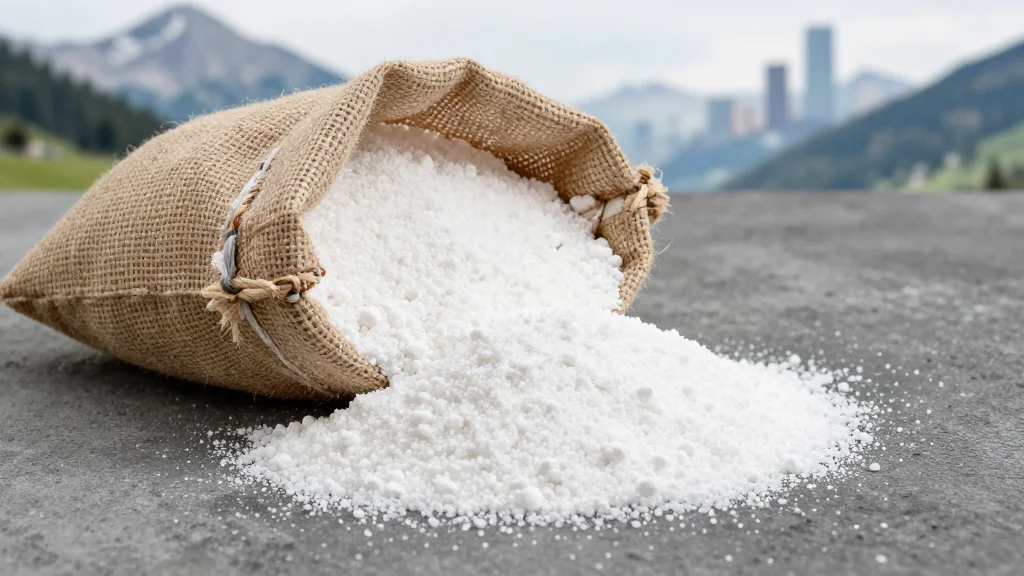
Germany Sees U.S. as Vulnerable to Squeeze on Potash Due to Canadian Reliance – by Michael Nienaber (Financial Post/Bloomberg – May 5, 2026)
Key Takeaways
- •US imports >90% of potash from Canada
- •Potash essential for U.S. agricultural fertilizer
- •German analysis links potash to geopolitical leverage
- •Trump's Greenland threat spurred supply‑chain vulnerability study
- •Europe may use potash to pressure U.S. trade policy
Pulse Analysis
The United States’ fertilizer supply chain hinges on a single commodity: potash. More than nine‑tenths of the potassium needed for American corn, wheat and soybeans arrives from Canadian mines, chiefly the Saskatchewan‑based Nutrien and its partners. This concentration makes the U.S. agricultural sector vulnerable to price spikes, export restrictions, or geopolitical friction. While global potash production is geographically dispersed—from Russia’s Uralkali to Belarus’s Belaruskali—the American market’s narrow import base amplifies any disruption’s economic ripple.
Berlin’s recent supply‑chain audit reflects a broader European effort to identify leverage points against Washington’s increasingly assertive foreign policy. After President Donald Trump floated the idea of annexing Greenland, German officials began mapping assets that could be weaponized in trade negotiations. Potash emerged as a prime candidate because it is both strategically essential and heavily sourced from a friendly, yet politically distinct, neighbor. By highlighting this dependency, Germany signals it could coordinate with other allies to pressure the U.S. on issues ranging from AI regulation to drug pricing.
If Germany and its partners choose to act, the most immediate consequence could be a push for diversified sourcing, prompting U.S. growers to explore domestic projects or alternative suppliers in Brazil and Israel. Canada, meanwhile, may face diplomatic pressure to limit exports or negotiate concessions. The episode underscores how seemingly mundane commodities can become bargaining chips in high‑stakes geopolitics, reminding policymakers that supply‑chain resilience is as much about political calculus as it is about logistics.
Germany sees U.S. as vulnerable to squeeze on potash due to Canadian reliance – by Michael Nienaber (Financial Post/Bloomberg – May 5, 2026)
Comments
Want to join the conversation?