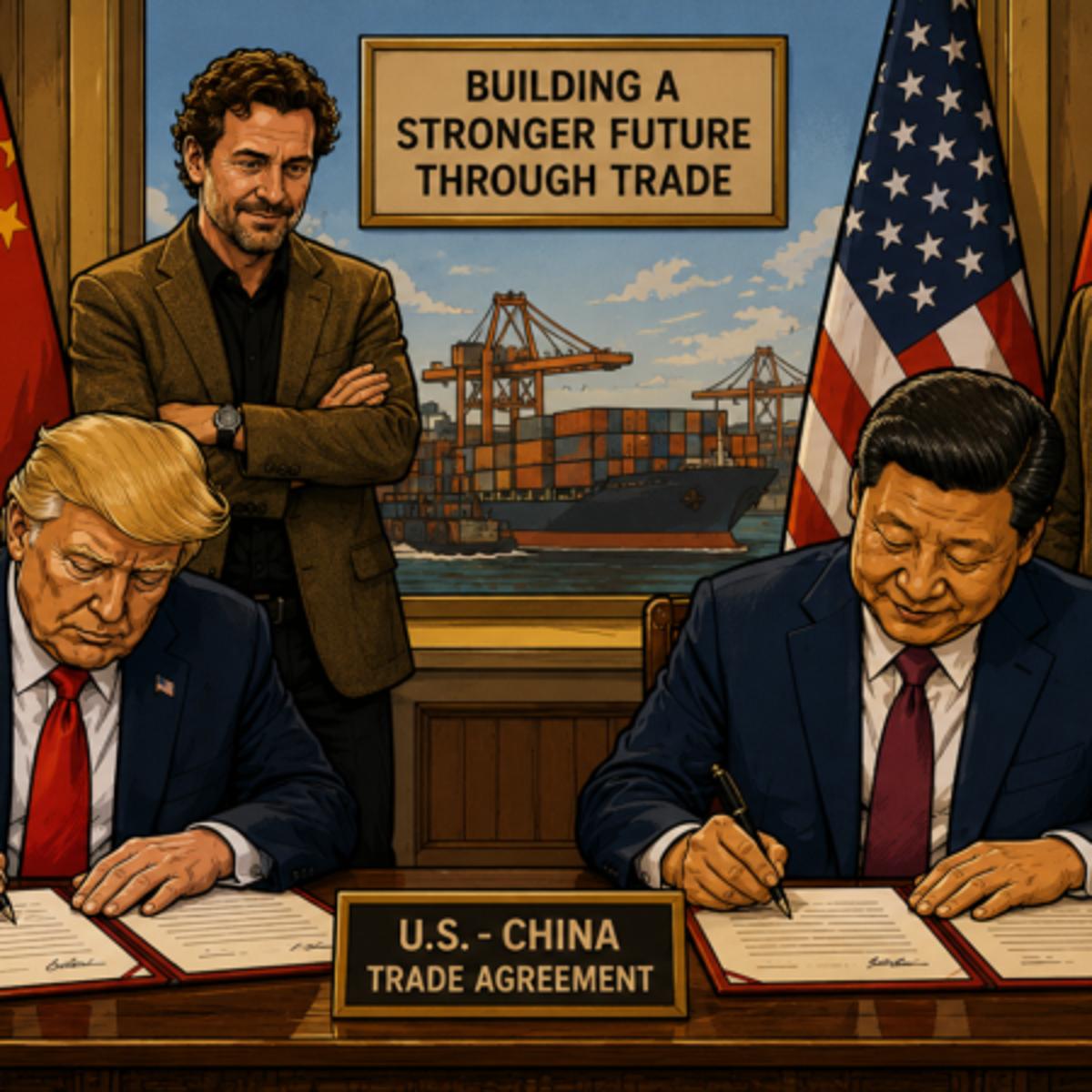
Managed Trade Is Back, and Australian Agriculture Is Exposed
Key Takeaways
- •China’s $17 bn purchase pledge masks a $27 bn total with soybeans
- •2025 trade slump to $8 bn makes the recovery appear larger
- •U.S. volumes still below historic peaks of $33‑$38 bn
- •Managed trade may force China to favor U.S. over Australian goods
- •Australian exporters risk losing market share without price advantage
Pulse Analysis
The new U.S.-China agricultural pact is a classic example of managed trade, where political objectives shape commodity flows. While the headline $17 billion figure sounds impressive after a 2025 dip to $8 billion, historical data shows China routinely bought $20‑$38 billion of U.S. farm products in the past decade, especially during the Phase One era. Adding the separate soybean commitment—estimated at $10 billion—brings the package closer to past highs, but it still falls short of the peak volumes that once defined the bilateral relationship.
For Australian producers, the real concern lies not in the absolute size of the deal but in its structural implications. China’s procurement decisions have traditionally been guided by price, freight costs, and quality. A politically mandated purchase quota can tilt the balance, diverting tonnes that would otherwise go to the most competitive supplier. Sectors such as wine, beef, barley, dairy, almonds, and malt extract, which have rebuilt access to China over recent years, could see a slow displacement as Beijing meets its U.S. commitments, even if Australian products remain price‑competitive.
The broader market impact may be subtle but significant. Higher U.S. demand can buoy global commodity prices, indirectly benefiting Australian farmers, yet the preferential channel creates a non‑market barrier. Policymakers and exporters in Australia must monitor the implementation of the U.S. agreement, lobby for transparent procurement rules, and diversify market channels to mitigate the risk of a gradual market‑share loss driven by diplomatic rather than economic factors.
Managed trade is back, and Australian agriculture is exposed
Comments
Want to join the conversation?