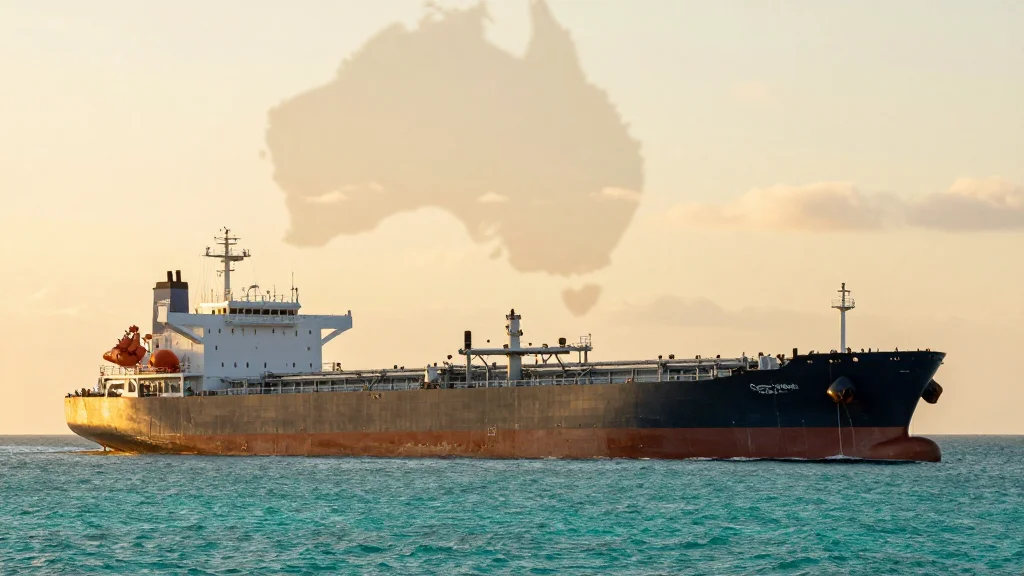
Singapore Oil Inflows Throw up Fuel Warning Light for Australia
Key Takeaways
- •Singapore's oil imports rose 15% YoY since February.
- •Australian diesel exports fell 8% as shipments rerouted to Asia.
- •Strait of Hormuz disruptions could tighten global fuel markets.
- •Higher Asian demand may push Australian fuel prices up.
- •Energy traders monitor lag effect of Middle East conflict.
Pulse Analysis
The war that erupted on February 28 in the Middle East has sent shockwaves through the global oil supply chain, but the impact has not been immediate. The primary choke point, the Strait of Hormuz, controls a fifth of the world’s petroleum flow, and any restriction there creates a lag that only becomes visible once tankers reach distant refineries. Early weeks saw minimal disruption because vessels already en route continued to their destinations, masking the underlying volatility that would later surface across Asia and the Pacific.
Singapore, long a strategic hub for oil storage and trading, has experienced a pronounced influx of crude and refined products since the conflict began. Data from regional port authorities indicate a 15% year‑over‑year increase in oil imports, driven by buyers seeking to secure supply before potential shortages. This surge has rerouted cargoes that historically would have transited through Australian ports, reducing Australia’s export volumes of diesel and gasoline by roughly 8%. The redirection not only tightens local inventories but also amplifies price pressure on downstream users, from transport firms to power generators.
For Australia, the evolving dynamics present both challenges and strategic choices. Higher domestic fuel prices could squeeze profit margins for refiners and increase operating costs for logistics companies, while also prompting policymakers to reassess energy security measures. Energy traders are closely monitoring the lag effect, anticipating that prolonged hostilities could further constrain supply and elevate spot prices. In the medium term, Australia may need to diversify its export markets, invest in alternative fuel sources, and bolster strategic reserves to mitigate the ripple effects of Middle Eastern instability on its fuel landscape.
Singapore oil inflows throw up fuel warning light for Australia
Comments
Want to join the conversation?