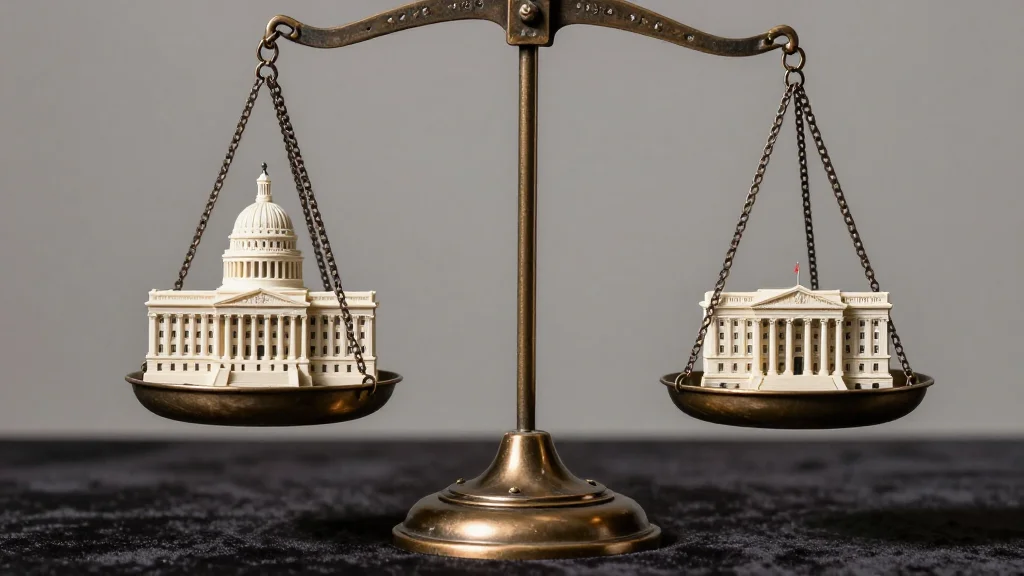
The Quiet Erosion of Central Bank Independence

Key Takeaways
- •Powell warned of “legal attacks” on the Federal Reserve.
- •Rising sovereign debt fuels tension between price stability and fiscal sustainability.
- •Deregulation threatens financial stability, prompting policy trade‑offs.
- •Fiscal and regulatory frameworks essential to protect central‑bank autonomy.
- •Erosion of independence could destabilize long‑term inflation expectations.
Pulse Analysis
The recent public alerts from Isabel Schnabel and Jerome Powell mark an unusual moment when top central‑bank leaders openly acknowledge political threats to their mandates. Historically, central banks have relied on legal independence to shield monetary decisions from short‑term electoral pressures. By labeling the challenges as “legal attacks,” Powell signals that legislative and executive actions—such as budgetary mandates or forced policy coordination—are becoming more aggressive, potentially eroding the credibility that markets depend on for stable interest‑rate expectations.
Two deeper dynamics amplify this vulnerability. First, advanced economies are grappling with sovereign debt ratios that have surged past 100 percent of GDP, creating a fiscal‑dominance scenario where governments may pressure central banks to keep rates low to service debt. Second, a wave of financial deregulation—driven by the belief that market discipline can replace prudential oversight—weakens the banking system’s resilience, forcing policymakers to prioritize financial stability over price stability. Both forces can compel central banks to deviate from their inflation‑targeting mandates, blurring the line between monetary and fiscal policy.
For investors and corporations, the erosion of independence translates into higher uncertainty about future policy paths, which can inflate risk premia and destabilize long‑term planning. Policymakers must therefore reinforce statutory safeguards, ensure fiscal rules that limit debt‑driven interference, and adopt a balanced regulatory approach that preserves system robustness without compromising monetary autonomy. Maintaining a clear, legally protected mandate will be critical to keeping inflation expectations anchored and preserving confidence in the global financial architecture.
The quiet erosion of central bank independence
Comments
Want to join the conversation?