US Treasury Sanctions Iran’s Maritime Extortion (PGSA Aka “Tehran Toll Booth”) As Requested by US Senate Intelligence Committee Chair Cotton

Key Takeaways
- •OFAC blocks PGSA and its officers under E.O. 13224
- •Tolls can reach $2 million per vessel, funding IRGC terrorism
- •Secondary sanctions threaten foreign banks aiding PGSA payments
- •Senator Cotton backs legislation to broaden U.S. sanction tools
Pulse Analysis
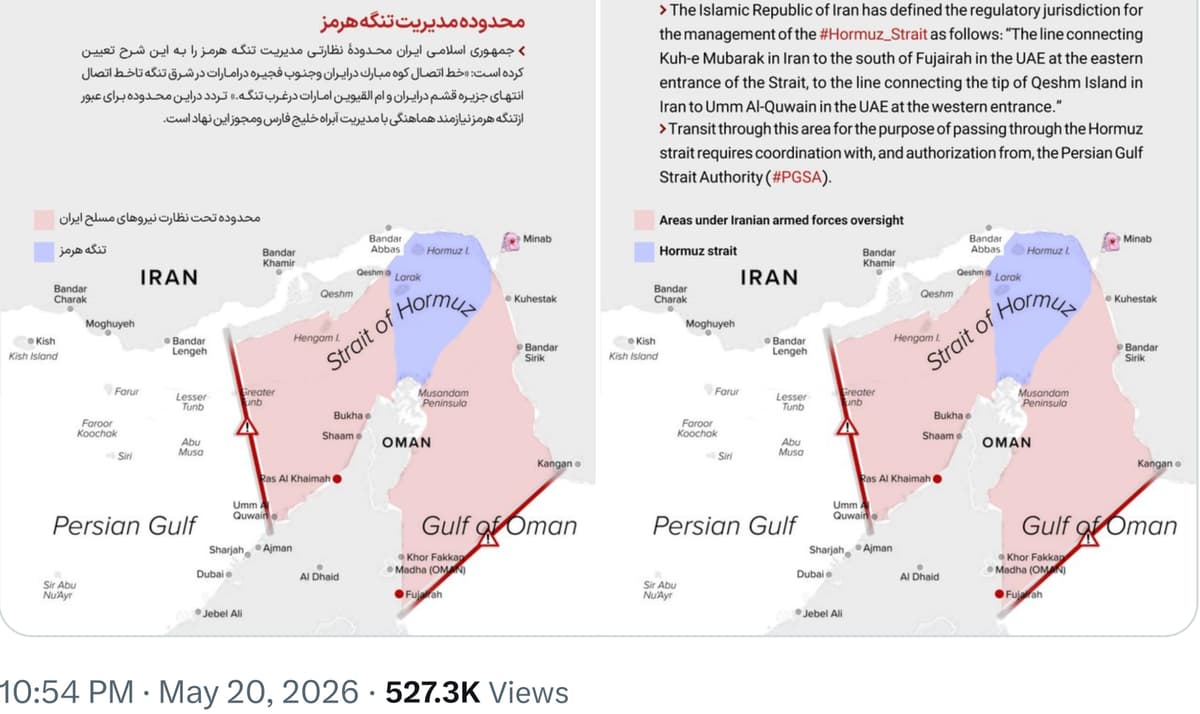
The Treasury’s latest action targets the Persian Gulf Strait Authority, a thinly‑veiled IRGC initiative that seeks to monetize the Strait of Hormuz by demanding exorbitant tolls from commercial vessels. By designating PGSA under the counter‑terrorism authority, OFAC not only freezes any assets the entity holds in the United States but also bars U.S. persons from providing services, financing, or information that could facilitate the tolls. This decisive step sends a clear signal to shipowners and maritime service providers that compliance with Iran’s extortion scheme will carry severe legal and financial repercussions.
Beyond the immediate asset freeze, the sanctions carry broader strategic implications for global trade. The Strait of Hormuz handles roughly 20% of worldwide oil shipments; any attempt by a state to impose fees threatens the principle of freedom of navigation enshrined in international law. By curbing Iran’s ability to extract revenue from passing vessels, the United States aims to prevent a precedent where other coastal powers might emulate Tehran’s model, thereby safeguarding the stability of other vital maritime corridors such as the Bab el‑Mandeb and the South China Sea.
The move also dovetails with the Administration’s "Economic Fury" campaign, which has already disrupted billions of dollars in Iranian oil and cryptocurrency flows. By extending pressure to shadow banking networks and secondary financial institutions, the Treasury seeks to isolate the IRGC’s funding sources comprehensively. Companies operating in the maritime supply chain should review their compliance programs, screen counterparties against the updated SDN list, and consider obtaining OFAC licenses where legitimate interactions are unavoidable. Failure to adapt could expose firms to civil penalties, criminal liability, and reputational damage.
US Treasury Sanctions Iran’s Maritime Extortion (PGSA aka “Tehran Toll Booth”) as Requested by US Senate Intelligence Committee Chair Cotton
Comments
Want to join the conversation?