Key Takeaways
- •Iran doubts U.S. commitment, hesitates on second Islamabad talks
- •Trump’s hardline stance fuels Iranian mistrust, complicates negotiations
- •China urges ceasefire, but offers vague diplomatic pressure on U.S.
- •USS Gerald R. Ford redeployed, adding naval pressure near Iran
- •War remains baseline scenario despite diplomatic overtures
Pulse Analysis
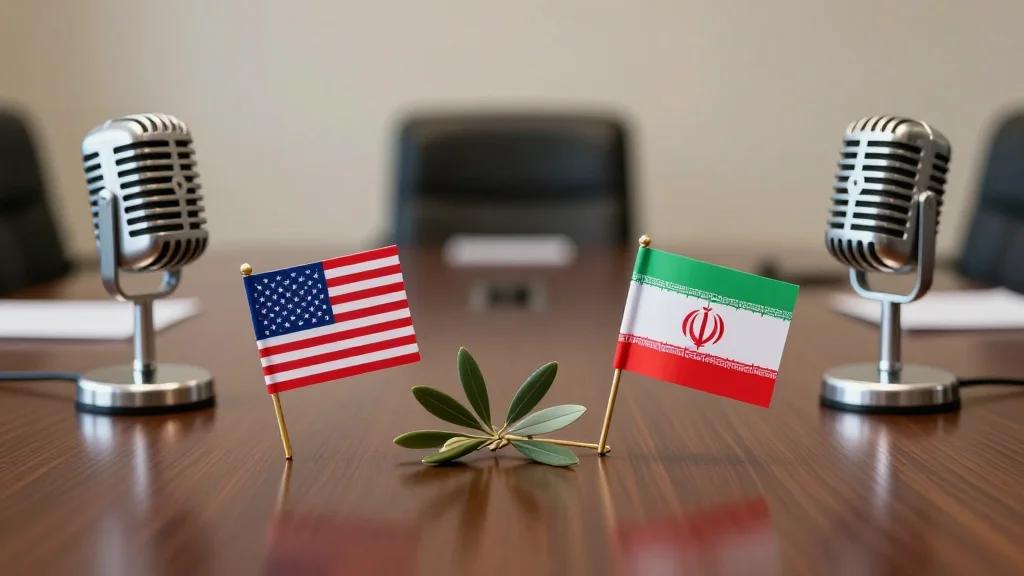
The latest diplomatic dance between Tehran and Washington is marked by a stark contrast between private willingness and public skepticism. Iranian officials, led by foreign ministry spokesman Esmail Baghaei, have hinted at a willingness to re‑engage, yet they refuse to confirm participation in a second round of talks in Islamabad. President Masoud Pezeshkian’s mixed messages—acknowledging deep historical mistrust while warning against war—reflect internal divisions between hawks and doves. This ambivalence is amplified by President Trump’s uncompromising public posture, which many Iranian analysts view as a demand for total victory rather than a genuine path to compromise.
Regional dynamics further complicate the picture. China’s recent statement calling for an immediate ceasefire and open Strait of Hormuz transit signals a diplomatic push, but its language remains deliberately vague, aimed more at pressuring the United States than offering actionable support to Tehran. The call underscores the strategic importance of the Hormuz corridor for global oil flows; any disruption could reverberate through energy markets, already jittery from the uncertainty surrounding the talks. Investors watch closely as Chinese diplomatic cues may influence the calculus of both sides, potentially shaping the next round of negotiations.
On the military front, the return of the USS Gerald R. Ford to the Gulf after repairs adds a tangible layer of deterrence—and provocation. With three carrier strike groups now positioned within striking distance of Iranian missile sites, the risk of miscalculation rises sharply. Analysts argue that this naval buildup reinforces a “base case” of renewed hostilities, even as diplomatic overtures continue. For businesses and policymakers, the convergence of diplomatic ambiguity, great‑power posturing, and heightened military presence signals that any resolution will require not just talks, but credible guarantees that can bridge the deep trust gap between Tehran and Washington.
War continues
Comments
Want to join the conversation?