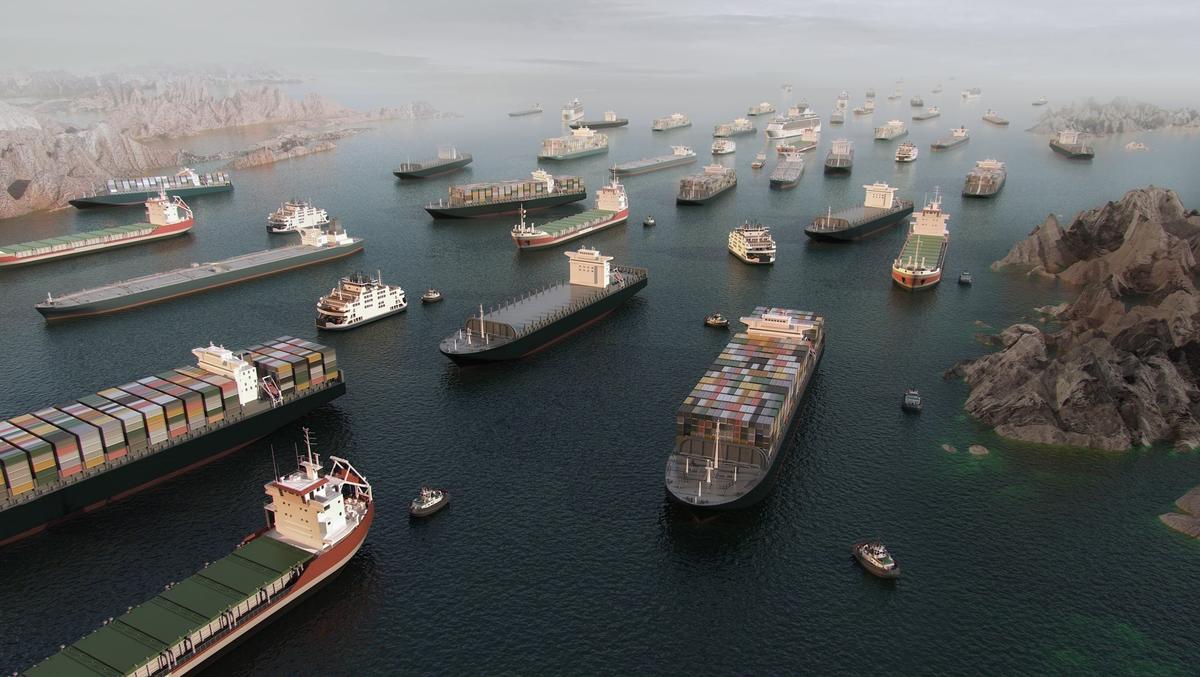
2,000+ Supply Ships Stranded: Iran War Puts Food Security at Risk
Why It Matters
The bottleneck could translate into higher input costs, production delays and price spikes, jeopardizing global food security and squeezing margins across the food and beverage sector.
Key Takeaways
- •Over 2,000 food and energy ships stuck in Hormuz Strait.
- •Grain, oil, sugar, cocoa, coffee cargos risk spoilage and delays.
- •Fertilizer backlog threatens future harvests and global food supply.
- •Energy‑driven packaging inputs face shortages, hitting bottling and dairy.
- •Reopening could take 8‑13 weeks for normal supply chain flow.
Pulse Analysis
The Strait of Hormuz is a pivotal maritime corridor, funneling roughly 20% of the world’s oil and a substantial share of bulk food commodities. With the Iran war sealing the passage, the United Nations estimates over 2,000 ships are now idle, a scale comparable to the Suez Canal blockage but with a broader commodity mix that includes grains, edible oils, sugar, cocoa, coffee and critical agricultural inputs. This prolonged standstill not only stalls current production but also creates a ripple effect that can outlast the conflict itself.
Food‑and‑beverage manufacturers are feeling the pressure on two fronts. First, perishable cargoes risk degradation, forcing companies to scramble for alternative sources or adjust formulations. Second, the trapped fertilizers represent a silent threat to future harvests, potentially tightening raw‑material supplies months down the line. Supply‑chain experts warn that many firms underestimate exposure because dependencies often lie several tiers deep. Advanced AI‑driven planning tools are becoming essential for reallocating inventory, optimizing lead times and mitigating cost overruns as firms navigate these hidden vulnerabilities.
Looking ahead, even a swift diplomatic resolution would not instantly restore normalcy. Industry analysts project a 4‑6‑week stabilization period and up to 13 weeks before full throughput resumes, during which price volatility and inventory shortages are likely to persist. Companies can hedge against prolonged disruption by diversifying sourcing regions, building strategic buffer stocks and investing in real‑time logistics visibility. Failure to act could exacerbate a logistics shock into a broader food‑security crisis, underscoring the strategic importance of resilient, multi‑sourced supply networks.
2,000+ supply ships stranded: Iran war puts food security at risk
Comments
Want to join the conversation?
Loading comments...