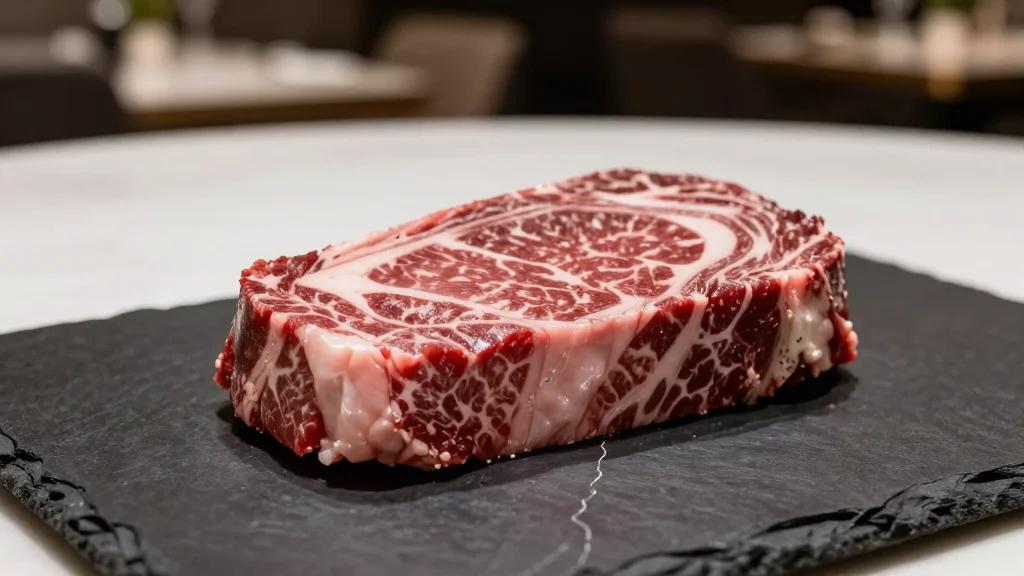
801 Restaurant Group Files Chapter 11 to Restructure $18.7 M Debt as Beef Prices Surge

Why It Matters
The Chapter 11 filing by 801 Restaurant Group illustrates how even well‑established, niche luxury brands are vulnerable to macro‑economic shocks such as commodity price spikes and structural changes in consumer behavior. By restructuring its debt while keeping doors open, the company signals a possible path for other high‑margin restaurants facing similar cost pressures. The outcome will affect not only employees and suppliers but also investors tracking the health of the upscale dining segment, which has traditionally been a bellwether for discretionary spending. Moreover, the case underscores the broader ripple effects of rising beef prices on the food‑service supply chain. As cattle herd sizes hit historic lows, the cost pressure is likely to persist, forcing restaurants to either pass on higher prices to diners or compress margins further. The 801 filing may accelerate consolidation in the premium steakhouse market, prompting larger operators to acquire distressed assets or prompting smaller players to exit the space altogether.
Key Takeaways
- •801 Restaurant Group filed Chapter 11 on April 10, listing $18.7 million in liabilities.
- •Beef prices rose 16% to $12.73 per pound in March 2026, squeezing steakhouse margins.
- •The company operates eight locations and will keep them open during restructuring.
- •Recent closure of 801 Nicollet in Minneapolis highlights downtown rent and foot‑traffic challenges.
- •Industry peers like Bloomin’ Brands and Landry’s are also trimming locations amid cost pressures.
Pulse Analysis
The 801 Chophouse bankruptcy is a microcosm of a larger shift in the upscale dining sector. Historically, premium steakhouses have thrived on high‑margin cuts and affluent clientele willing to pay top dollar. However, the confluence of soaring commodity costs, a shrinking office‑worker base, and persistent inflation has eroded that advantage. By filing Chapter 11, 801 Restaurant Group is betting that a court‑supervised debt haircut will give it breathing room to renegotiate leases, streamline its supply chain, and perhaps re‑tool its menu for a more price‑sensitive audience.
From a financial‑market perspective, the filing may prompt investors to reassess valuations of other niche restaurant operators that lack the scale to absorb cost shocks. The fact that 801 Restaurant Group can continue operating its restaurants suggests that its cash flow, while strained, remains sufficient to cover day‑to‑day expenses – a sign that the bankruptcy is strategic rather than a prelude to liquidation. If the reorganization plan succeeds, it could set a precedent for a wave of “debtor‑in‑possession” restructurings that preserve brand equity while shedding unsustainable debt.
Looking ahead, the key variables will be the speed of beef price stabilization and the ability of the chain to adapt its real‑estate footprint. Should cattle herd numbers rebound and beef prices ease, the margin pressure could lift, allowing 801 Chophouse to reinvest in marketing and perhaps expand into secondary markets with lower rent. Conversely, if price pressures persist, the company may need to consider franchising or partnering with larger hospitality groups to share risk. Either scenario will shape the competitive dynamics of the high‑end steakhouse niche for the next few years.
801 Restaurant Group Files Chapter 11 to Restructure $18.7 M Debt as Beef Prices Surge
Comments
Want to join the conversation?
Loading comments...