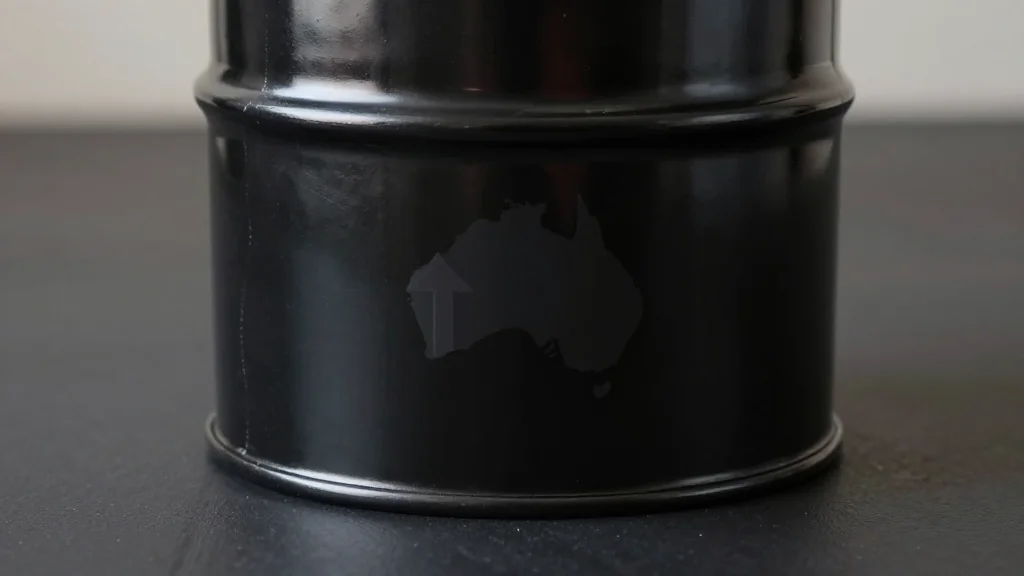
A Ceasefire Is Good. But Trump’s Impact on Rates Is Just Starting
Why It Matters
Persistently elevated oil prices will erode household purchasing power and force the RBA to maintain tighter monetary policy, affecting credit conditions across the economy. The situation underscores the broader risk that geopolitical events can embed lasting inflationary pressures beyond the immediate market reaction.
Key Takeaways
- •Oil prices likely stay above pre‑war levels for months
- •Higher oil costs will push Australian inflation above 5 %
- •RBA may keep rates higher longer due to supply‑shock inflation
- •Strait of Hormuz tanker traffic remains constrained, adding risk premium
- •Second‑round inflation spreads higher transport costs across economy
Pulse Analysis
The Iranian‑initiated conflict has instantly reshaped the global energy landscape. Attacks on tankers in the Strait of Hormuz have cut the flow of roughly 20 % of world oil shipments to a trickle, while damage to Qatar’s gas infrastructure further tightens supply. Even after vessels resume transit, the logistical lag and heightened insurance costs embed a risk premium into crude prices. As a result, analysts expect oil to trade well above pre‑war levels for the foreseeable future, feeding directly into transport and manufacturing costs worldwide.
For Australia, the oil shock translates into a palpable inflationary surge. Headline CPI is projected to breach the 5 % threshold, far exceeding the Reserve Bank of Australia’s 2‑3 % target band. The RBA, already split on its recent rate hike, appears unwilling to ‘look through’ this supply‑side shock, signaling a possible continuation of higher policy rates. Money‑market pricing of a May move slipped from 75 % to roughly 65 % after the ceasefire, reflecting lingering uncertainty about the inflation trajectory.
Investors should brace for a prolonged period of elevated energy costs and secondary price pressures across sectors such as aviation, freight and consumer goods. Governments may respond by bolstering strategic petroleum reserves or negotiating alternative shipping corridors, but such measures take months to materialise. In the meantime, the combination of stubborn oil prices and a cautious central bank could keep borrowing costs above pre‑conflict norms, shaping corporate balance sheets and consumer spending well into 2027.
A ceasefire is good. But Trump’s impact on rates is just starting
Comments
Want to join the conversation?
Loading comments...