A New Economics for the 21st Century
Companies Mentioned
Why It Matters
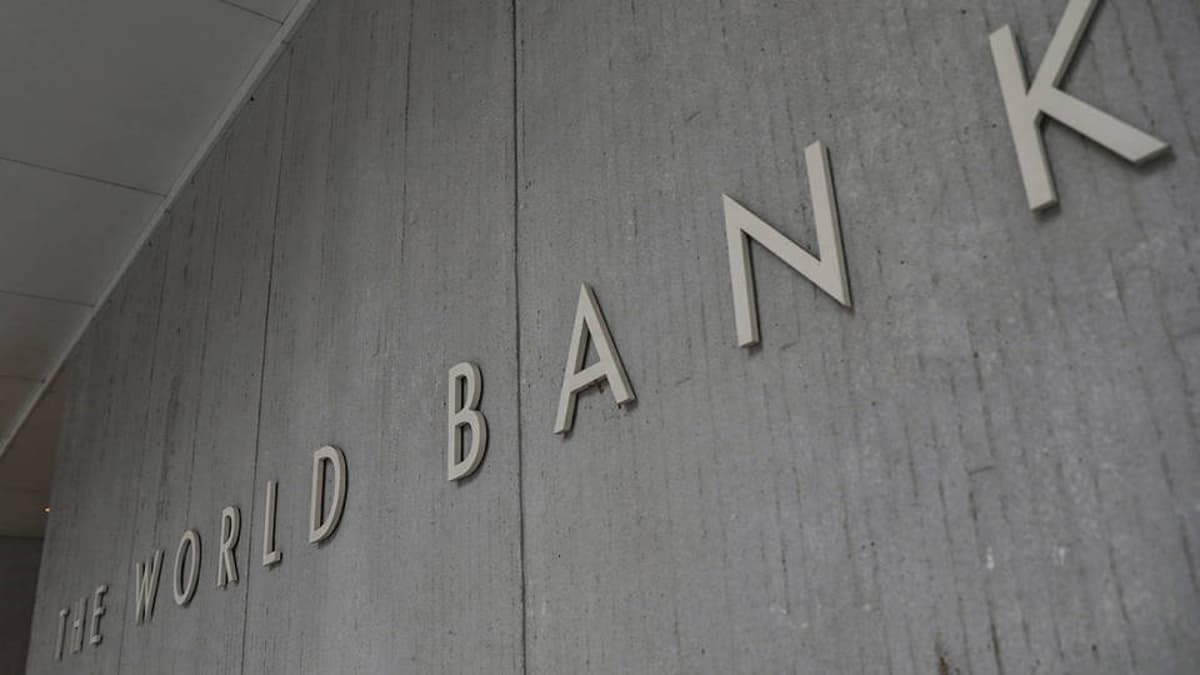
By endorsing industrial policy, the World Bank could reshape development financing, encouraging nations to adopt strategic state interventions for growth and climate resilience.
Key Takeaways
- •World Bank publicly supports industrial policy after decades of opposition
- •Shift aligns with rising global evidence on state‑driven innovation
- •Implementation hinges on converting research into concrete advisory tools
- •Potential to influence borrower nations’ economic and climate strategies
Pulse Analysis
The World Bank’s newfound endorsement of industrial policy marks a dramatic pivot from the neoliberal orthodoxy that dominated its advisory work for decades. Historically, the institution warned against state‑driven market interventions, favoring liberalization and private‑sector solutions. Yet a growing body of empirical research—showcasing how coordinated government action can accelerate technology adoption, infrastructure development, and climate mitigation—has pressured multilateral lenders to reconsider. This shift reflects a broader re‑evaluation of the role of the state in fostering inclusive, sustainable growth in the 21st century.
Practically, the Bank’s policy U‑turn could translate into new financing instruments, technical assistance packages, and conditionalities that reward strategic industrial planning. For borrower countries, this may mean greater access to capital for projects aligned with national development roadmaps, such as renewable energy manufacturing or digital infrastructure. However, the challenge lies in moving from high‑level endorsement to concrete advisory tools that respect local contexts while avoiding the pitfalls of protectionism. Critics caution that without rigorous impact monitoring, industrial policy could become a veneer for rent‑seeking, undermining the Bank’s credibility.
The broader implication is a potential reshaping of global economic governance, where multilateral institutions act as catalysts for state‑led innovation rather than passive observers. As other development banks and the IMF echo similar sentiments, a coordinated push toward evidence‑based industrial strategies could accelerate the transition to low‑carbon economies and narrow productivity gaps. If the World Bank successfully operationalizes its stance, it may set a precedent that redefines development finance for the next generation of emerging markets.
A New Economics for the 21st Century
Comments
Want to join the conversation?
Loading comments...