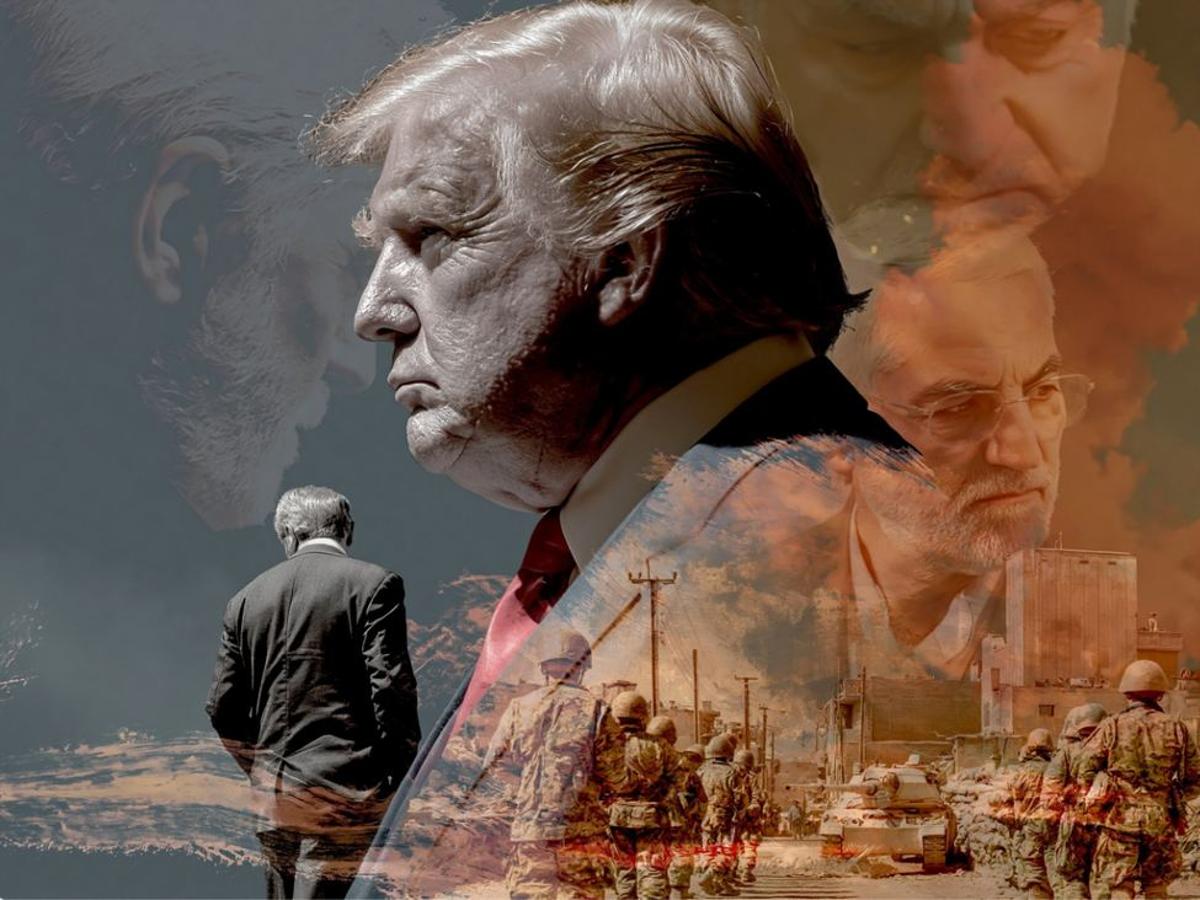
A Source Tells CNN that Dubai Expect US/Israeli Strikes on Iran Within the Next 24 Hours
Why It Matters
The confrontation threatens to choke a vital oil transit route, driving price volatility and prompting multinational security responses that could reshape regional power dynamics.
Key Takeaways
- •Iran hit UAE oil terminals, raising Strait of Hormuz risk
- •U.S. jets scrambled for combat air patrols over Gulf states
- •Brent crude spiked as markets priced supply‑disruption fears
- •Dubai publicly expects U.S. military support in escalation
- •Escalation could trigger broader U.S.–Israel involvement against Iran
Pulse Analysis
The latest flare‑up in the Gulf reflects a classic calculus of deterrence and control. Iran’s decision to strike the United Arab Emirates’ oil export hubs appears aimed at asserting dominance over the Strait of Hormuz, a chokepoint through which roughly 20% of global petroleum passes. By targeting infrastructure before a presumed U.S.–Israeli offensive, Tehran seeks to demonstrate both capability and resolve, forcing regional actors to reassess their security postures. Historically, any disruption in the Hormuz corridor has reverberated across commodity markets, prompting swift diplomatic overtures and, at times, military posturing to safeguard the flow of energy.
The immediate market reaction was a sharp rise in Brent crude, which climbed several dollars per barrel as traders priced in heightened supply risk. Energy analysts note that even brief interruptions can trigger a cascade of contract renegotiations, inventory draws, and speculative buying, amplifying price swings beyond the initial shock. For multinational corporations and investors, the volatility underscores the importance of diversified sourcing strategies and hedging mechanisms. Moreover, the incident re‑energizes discussions about strategic petroleum reserves and the need for alternative shipping routes, such as the Cape of Good Hope, albeit at higher logistical costs.
From a geopolitical perspective, the United States’ rapid deployment of combat air patrols signals a willingness to protect allied interests and maintain freedom of navigation. Dubai’s public expectation of U.S. assistance highlights the emirate’s reliance on American security guarantees, even as it balances economic ties with Iran. Should the conflict expand to include Israeli forces, the region could see a broader coalition response, raising the stakes for global energy stability. Stakeholders—from oil majors to policy makers—must monitor diplomatic channels closely, as any escalation could reshape the strategic calculus of the Middle East for years to come.
A source tells CNN that Dubai expect US/Israeli strikes on Iran within the next 24 hours
Comments
Want to join the conversation?
Loading comments...