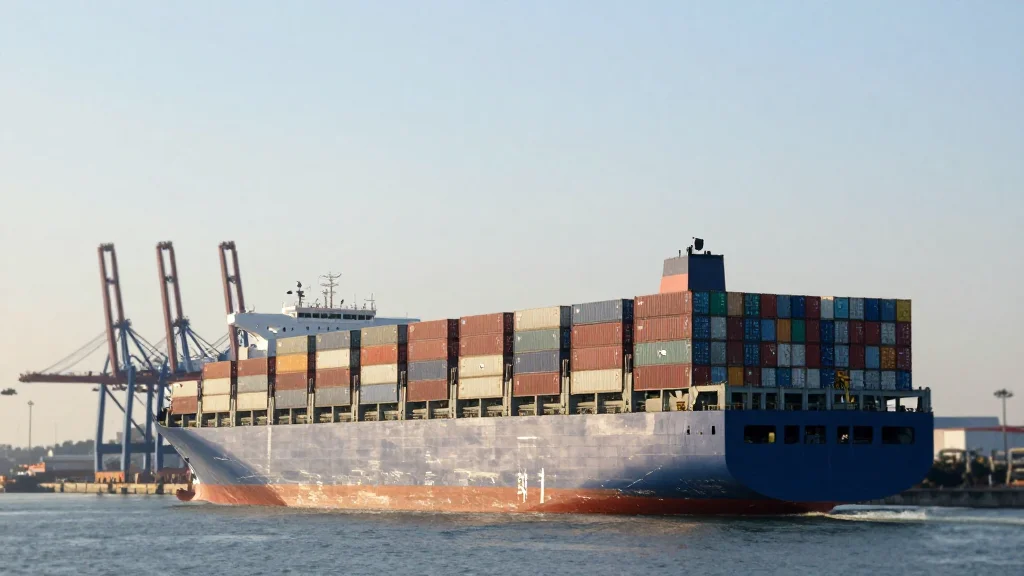
A Tale of Two Manufacturers: How Two Companies Are Diversifying Their Supply Chains
Why It Matters
Tariff‑driven supply‑chain shifts illustrate how geopolitical risk is forcing manufacturers to diversify beyond traditional low‑cost hubs, reshaping global trade flows. The moves signal broader industry pressure to build resilient, multi‑regional production networks.
Key Takeaways
- •Shoebot shifted production to Vietnam after 145% US tariffs
- •Isotherm evaluates relocating Texas manufacturing components overseas
- •Both companies diversify markets to reduce reliance on single trade partner
- •Tariff escalation prompted joint ventures and new supply‑chain strategies
- •Americans largely oppose further tariffs, influencing policy debates
Pulse Analysis
The legacy of the Trump‑era tariff escalation continues to reverberate across the manufacturing sector. When duties on Chinese imports spiked to over 145%, firms like Shoebot, a shoe‑component maker in Dongguan, found the cost calculus untenable for U.S.‑bound products. By establishing a joint venture in Vietnam—where tariff exposure is markedly lower—the company preserved margins while maintaining its skilled labor base. This pivot underscores how steep, unpredictable duties can accelerate offshoring to third‑party locations rather than prompting a full reshoring to the United States.
Beyond isolated cases, the broader industry is embracing a multi‑regional supply‑chain model to hedge against policy volatility. Isotherm, a Texas‑based designer of cooling equipment for fisheries and oil‑gas, sources most of its titanium from China. The recent tariff hike forced its founder, Zahid Ayub, to explore moving portions of production abroad, reflecting a growing trend of “partial reshoring” combined with diversification into lower‑risk jurisdictions. Companies are now mapping critical inputs, identifying alternative suppliers, and investing in joint ventures that spread risk across Southeast Asia, Mexico, and even back‑to‑back facilities in Europe. This strategic elasticity reduces dependence on any single trade corridor and improves responsiveness to sudden regulatory shifts.
Consumer sentiment is also reshaping the policy backdrop. A new NPR‑Chicago Council and Ipsos poll reveals a clear majority of Americans oppose additional tariffs on Chinese goods, pressuring lawmakers to seek a more balanced trade approach. For manufacturers, this translates into a tighter window to negotiate favorable terms while maintaining cost competitiveness. Firms that proactively diversify—by expanding market reach, securing multi‑source inputs, and building flexible production footprints—will be better positioned to thrive regardless of future tariff adjustments or diplomatic fluctuations. The era of single‑source, low‑cost manufacturing is giving way to resilient, globally distributed networks that prioritize agility over pure cost advantage.
A tale of two manufacturers: How two companies are diversifying their supply chains
Comments
Want to join the conversation?
Loading comments...