Africa’s Tax Push Is Clashing with the Reality of Its Informal Economies
Why It Matters
Low tax revenues limit public investment, while aggressive taxation of informal activity could undermine digital finance adoption and exacerbate service gaps across Africa.
Key Takeaways
- •Informal sector accounts for ~90% of Sub‑Saharan jobs.
- •Tax‑to‑GDP ratios in Africa are roughly half the OECD average.
- •Governments target informal economy with digital tax measures like mobile‑money levies.
- •Brookings paper warns informality stems from weak services, not just non‑compliance.
- •Aggressive tax policies risk pushing transactions back to cash, slowing digital adoption.
Pulse Analysis
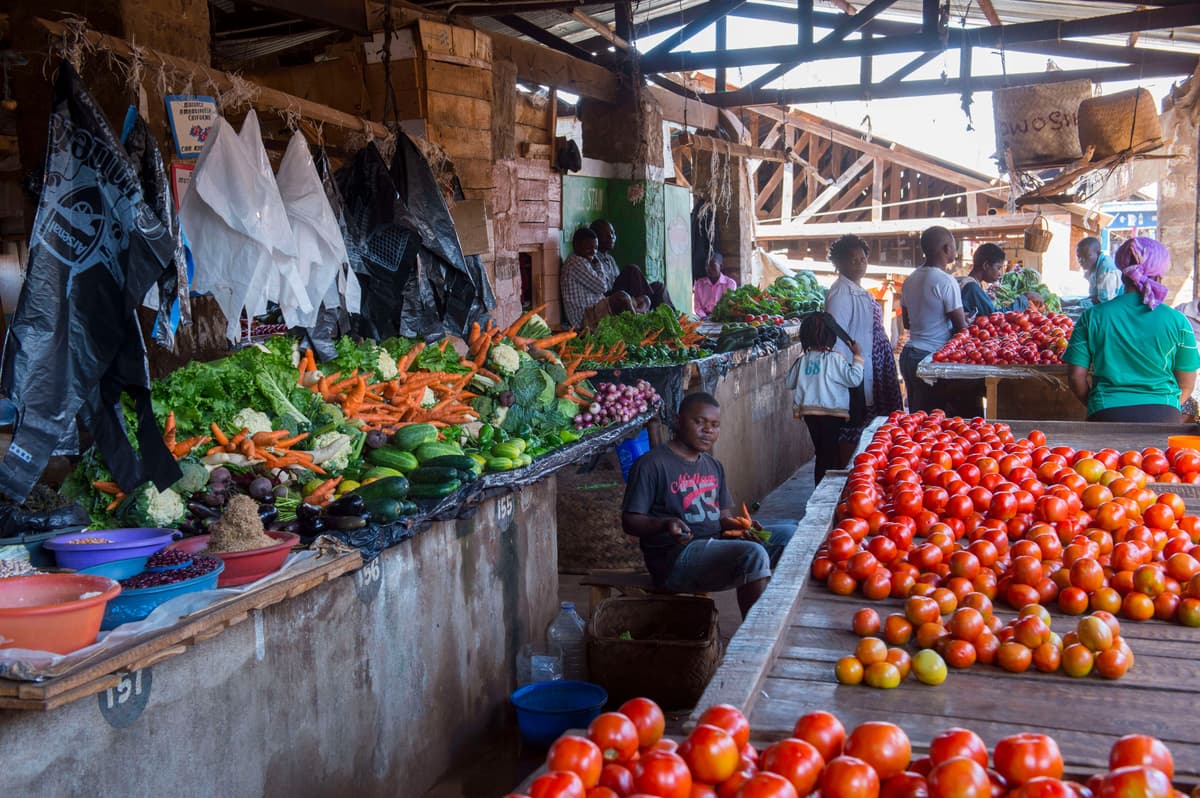
The informal economy is not a peripheral shadow of Africa’s formal sector; it is the mainstay of livelihoods for the continent’s workforce. With limited access to credit, inadequate infrastructure, and scarce formal employment, millions turn to market stalls, small‑scale manufacturing, and mobile‑money platforms. This structural reality means that any fiscal policy that assumes easy conversion of informal activity into taxable formal output overlooks the underlying reasons people operate outside the tax net.
Faced with rising debt burdens and tighter global financing, African governments are turning to tax reforms as a quick fix. Tax‑to‑GDP ratios hover around 15%, roughly half the OECD benchmark, prompting bold proposals such as Kenya’s expanded mobile‑money levy, Nigeria’s overhaul of registration processes, and Senegal’s push to broaden the tax base. While digitization—through mobile payments, digital IDs and electronic invoicing—offers unprecedented visibility into transactions, it also raises concerns that higher levies could push businesses back to cash, eroding the gains of financial inclusion.
The Brookings Institution paper cautions that informality often reflects a rational adaptation to weak state capacity rather than mere non‑compliance. Policymakers risk a counterproductive cycle: higher taxes without commensurate improvements in public services may fuel distrust and reduce digital adoption. Sustainable revenue growth will likely require a dual strategy: modest, well‑targeted tax measures paired with investments in health, infrastructure and credit access that make formalization an attractive, not punitive, choice for informal operators.
Africa’s tax push is clashing with the reality of its informal economies
Comments
Want to join the conversation?
Loading comments...