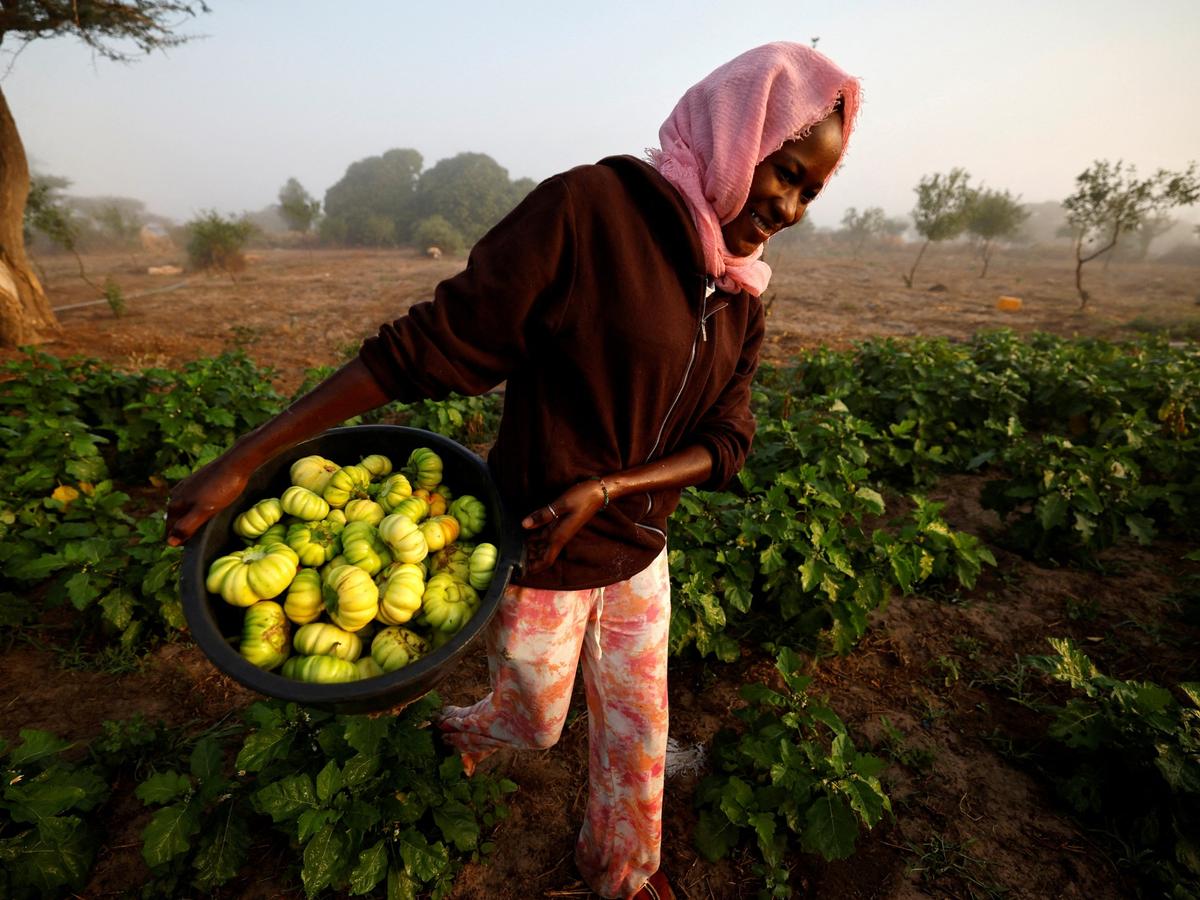
Amid the Fertiliser Crisis, Africa Has a Chemical-Free Option: Agroecology
Why It Matters
With fertilizer supplies constrained and prices soaring, Africa faces a looming food crisis; adopting agroecology could safeguard food sovereignty while reducing debt and emissions.
Key Takeaways
- •Fertiliser imports supply 20% of Africa's needs blocked by Strait of Hormuz.
- •Subsidised chemical fertiliser schemes left African governments in debt.
- •Agroecology can boost yields 50‑100% without chemical inputs.
- •Farmer groups in West and North Africa scale fertiliser‑free practices.
- •New fertiliser plants increase pollution and raise domestic prices.
Pulse Analysis
The current geopolitical tension in the Middle East has created a bottleneck for roughly one‑fifth of the world’s fertiliser exports, inflating costs for fuel, plastics and transport. African nations, already dependent on imported nutrients, are seeing foreign‑exchange reserves erode as they scramble for dwindling supplies. The price shock is not merely a budget line item; it translates directly into higher staple prices for consumers from Manila to Quito, amplifying the risk of a continent‑wide food emergency.
Historically, development banks and governments responded to fertilizer shortages with large‑scale subsidy schemes and land concessions to agribusinesses. While well‑intentioned, these programs often failed to deliver sustainable yield improvements and saddled countries like Malawi with fiscal deficits that cut essential services. Moreover, the profit margins of fertiliser traders—30 to 80 percent—exacerbate price volatility, while new factories add pollution and tie local markets to global price swings. In contrast, agroecology—an approach that integrates ecological principles into farming—has demonstrated 50‑100% yield gains for crops such as cassava, millet and sorghum without synthetic inputs, offering a resilient alternative.
Scaling agroecology requires a policy pivot: redirecting subsidies toward farmer cooperatives, training, and seed diversity, while dismantling export‑oriented monoculture incentives. Grassroots networks like Beo‑neere and the Convergence des Femmes Rurales are already mobilising tens of thousands of smallholders across West and North Africa. Aligning these efforts with international climate commitments—such as the recent pledge by 60 governments to phase out fossil fuels—could unlock financing, improve soil health, and reduce greenhouse‑gas emissions. For African economies, the shift promises not only food security but also a more equitable, low‑carbon agricultural future.
Amid the fertiliser crisis, Africa has a chemical-free option: Agroecology
Comments
Want to join the conversation?
Loading comments...