Anne Applebaum Inspects the Shards of Post-War Order
•March 9, 2026
0
Why It Matters
The analysis signals a strategic shift for Europe, reshaping security architectures and influencing Ukraine’s integration prospects, with broad implications for global stability and trade.
Key Takeaways
- •Europe seeks to hedge against U.S. security reliance.
- •EU‑Russia trade ties have fundamentally broken.
- •Ukraine’s EU and NATO accession faces institutional hurdles.
- •Autocratic alliances appear fragile amid simultaneous conflicts.
- •Liberal world order perceived as outdated by policymakers.
Pulse Analysis
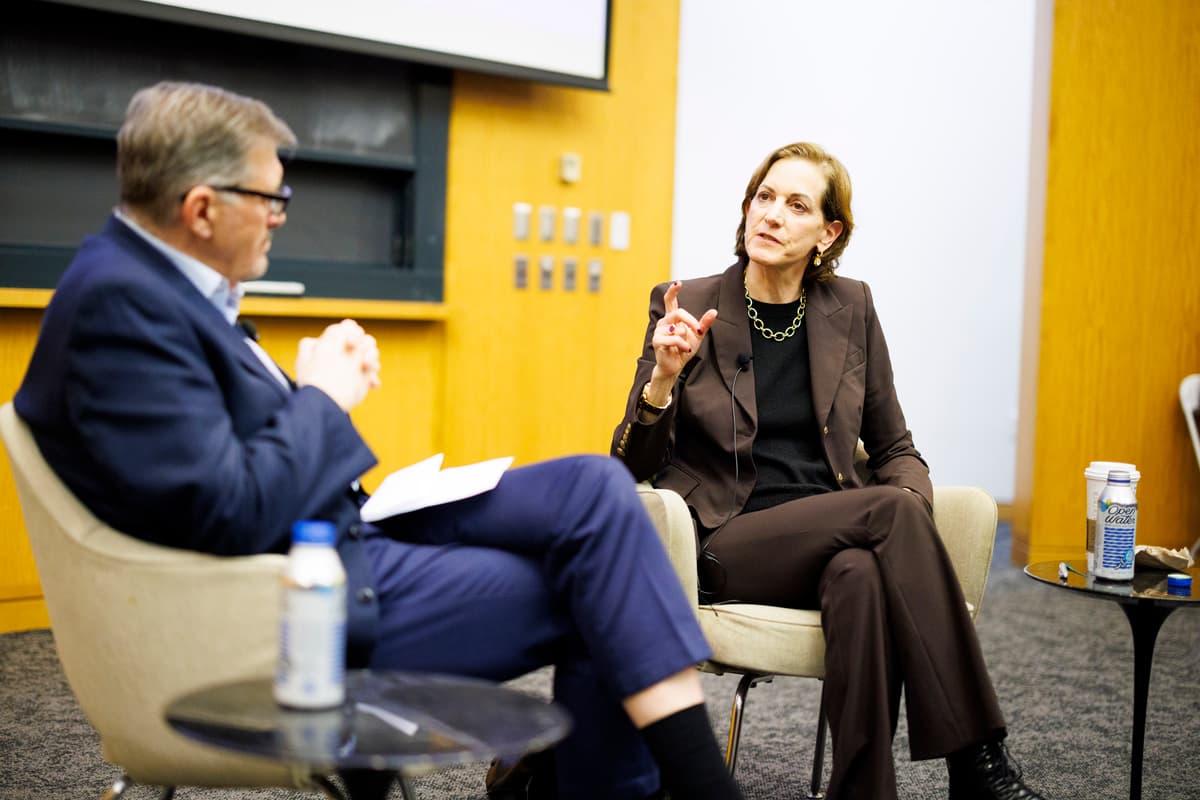
The conversation sparked by Anne Applebaum’s recent Harvard talk underscores a growing European consensus that reliance on the United States for security guarantees is waning. Policymakers across Brussels are now exploring alternative defense collaborations, energy diversification, and regional trade networks to mitigate the risks of a unilateral American retreat. This hedging strategy reflects a broader recalibration of transatlantic ties, where Europe seeks greater strategic autonomy while still navigating the geopolitical pressure from Moscow.
Applebaum’s assessment of the liberal, rules‑based order reveals a profound ideological shift. At the Munich Security Conference, the phrase “liberal world order” was invoked as a pejorative, signaling that post‑Cold War norms no longer command universal legitimacy. The collapse of the EU‑Russia energy bargain—once seen as a peace‑building tool—has accelerated this disillusionment, prompting Germany and other member states to reassess long‑standing economic dependencies. The resulting vacuum invites new security architectures, potentially anchored by a more assertive NATO and a re‑energized European Defence Fund.
Ukraine’s trajectory remains a pivotal variable in this evolving landscape. While its mineral wealth, agricultural output, and military contributions make it a “transformational” candidate for EU and NATO membership, the accession process is stalled by the need for unanimous approval from all 27 member states on governance, trade, and security reforms. Simultaneously, the concurrent U.S.–Israeli conflict with Iran threatens to further destabilize global markets, possibly bolstering Russia’s economy and exposing the limits of autocratic solidarity. Applebaum’s insights suggest that Europe’s future will be defined by its ability to construct resilient, multilateral frameworks independent of both U.S. and Russian dominance.
Anne Applebaum inspects the shards of post-war order
0
Comments
Want to join the conversation?
Loading comments...