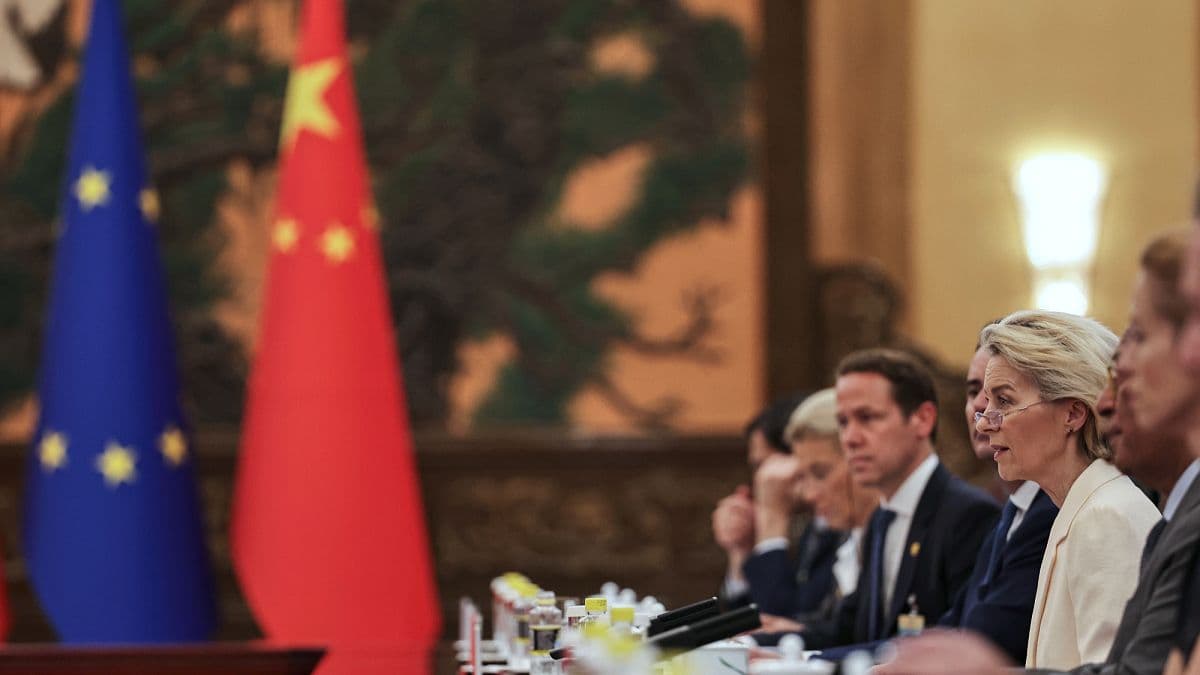
As Trade War with China Looms, How Can the EU Defend Itself?
Why It Matters
The measures aim to protect millions of European jobs and curb a growing trade imbalance, while signaling the EU’s willingness to confront perceived unfair Chinese practices. Their success or failure will shape the future of EU‑China economic relations and set a precedent for broader strategic autonomy.
Key Takeaways
- •EU surplus gap widened $22 billion in 12 months.
- •Commission proposes 30‑40% sourcing limit from single supplier.
- •Steel tariffs and quotas target Chinese overcapacity, already approved.
- •Chemical imports rose 81% in five years, risk of retaliation.
- •Anti‑Coercion Instrument needs qualified majority, faces member‑state split.
Pulse Analysis
China’s trade surge has forced Brussels to confront a widening imbalance that now exceeds $390 billion in deficit. The surge is not just a balance‑sheet issue; it translates into competitive pressure on European manufacturers, especially in green‑tech, automotive and defence sectors that rely on rare‑earths and semiconductors. By quantifying the surplus growth—$22 billion in a single year—the Commission underscores the urgency of a coordinated response that goes beyond ad‑hoc tariffs.
The policy toolbox the EU is assembling reflects a blend of economic security and classic trade‑defence tactics. A sourcing diversification rule would force firms to split purchases across at least three suppliers, diluting dependence on any one Chinese source. Meanwhile, the steel sector already faces doubled tariffs and import quotas, a move that could serve as a template for other over‑capacity industries. Anti‑dumping and anti‑subsidy investigations, though hampered by a modest staff of 140 officials, remain critical for sectors like chemicals, where imports have jumped 81 percent over five years. The Anti‑Coercion Instrument, the EU’s most potent lever, would allow punitive measures such as licence restrictions, but it requires a qualified majority—a political hurdle given Germany’s and Spain’s divergent stances.
Member‑state cohesion will ultimately determine the efficacy of these measures. While some capitals, notably Germany, resist aggressive tariffs on Chinese electric vehicles, others, like Spain, favor closer ties to attract investment. This split threatens to dilute the EU’s strategic autonomy agenda, especially in high‑risk ICT supply chains where Chinese equipment remains entrenched. If Brussels can marshal enough consensus, the new trade framework could rebalance the market, safeguard jobs, and set a global precedent for handling state‑backed overcapacity. Failure, however, may embolden Beijing and leave European industries vulnerable to price‑driven competition.
As trade war with China looms, how can the EU defend itself?
Comments
Want to join the conversation?
Loading comments...