Asia’s Largest Oil Buyers Running Low on Hormuz Alternatives
Why It Matters
The erosion of Hormuz alternatives heightens energy‑security risks for the world’s largest oil‑consuming region and could trigger broader price volatility in global markets.
Key Takeaways
- •Seven weeks of Gulf war forced Asian importers to use alternatives
- •China, India, Japan, South Korea diverted ~1.5 million bpd via Red Sea
- •Alternative routes now face capacity constraints and higher freight costs
- •Spot oil prices in Asia rose 8% as Hormuz risk persists
- •Limited alternatives could pressure regional economies and global supply chains
Pulse Analysis
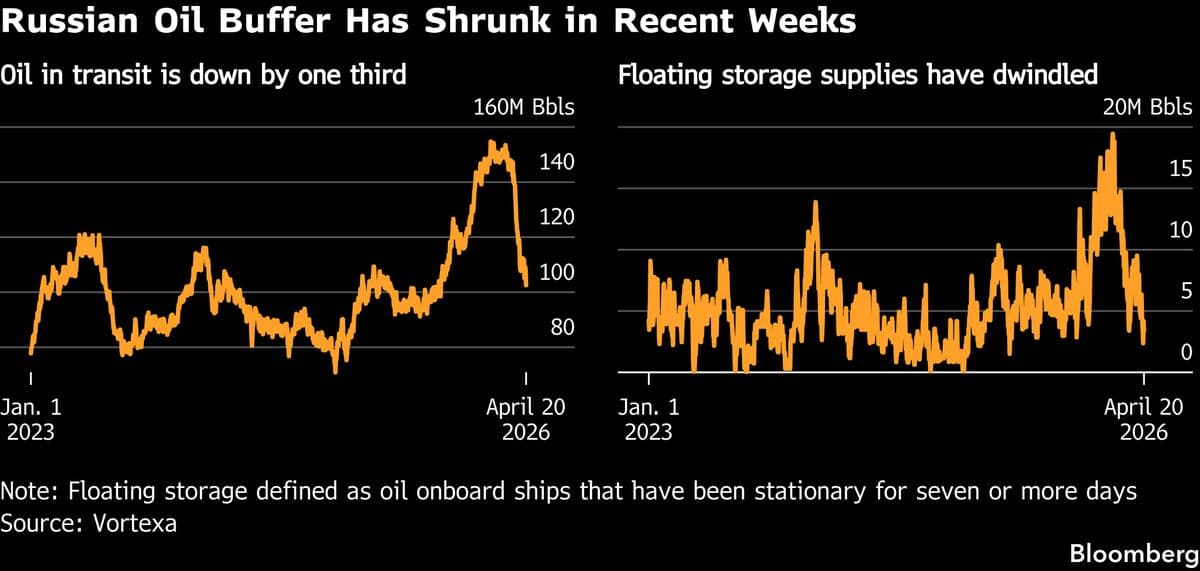
The protracted conflict in the Persian Gulf has turned the Strait of Hormuz, through which roughly 20 million barrels of oil flow daily, into a geopolitical bottleneck. Asian economies, which together consume about 30 million barrels per day, quickly scrambled for substitutes, leveraging the Red Sea‑Suez corridor, expanding purchases from Russia’s western pipelines, and tapping strategic reserves. While these measures blunted the immediate shock, they also introduced new logistical challenges, such as longer transit times, heightened insurance premiums, and the need to secure additional tanker capacity.
As the war entered its eighth week, the elasticity of these alternatives began to fray. The Red Sea route, already congested by heightened demand, now faces a capacity ceiling of roughly 1.5 million barrels per day, a fraction of the shortfall left by Hormuz disruptions. Freight rates on the Suez‑to‑Asia leg have surged by over 30%, and Russian crude supplies are constrained by sanctions and pipeline bottlenecks. Consequently, spot prices for Asian crude benchmarks have jumped about 8% since the conflict escalated, reflecting both supply anxiety and the higher cost of workarounds.
The dwindling buffer poses a strategic dilemma for policymakers and energy traders. With limited alternatives, any further escalation could force Asian refiners to curtail output, pass costs onto consumers, or seek even riskier routes, potentially destabilizing regional economies. Moreover, the ripple effects may reverberate through global supply chains, prompting a reassessment of inventory strategies and prompting investors to watch closely for shifts in oil price dynamics and geopolitical risk premiums.
Asia’s Largest Oil Buyers Running Low on Hormuz Alternatives
Comments
Want to join the conversation?
Loading comments...