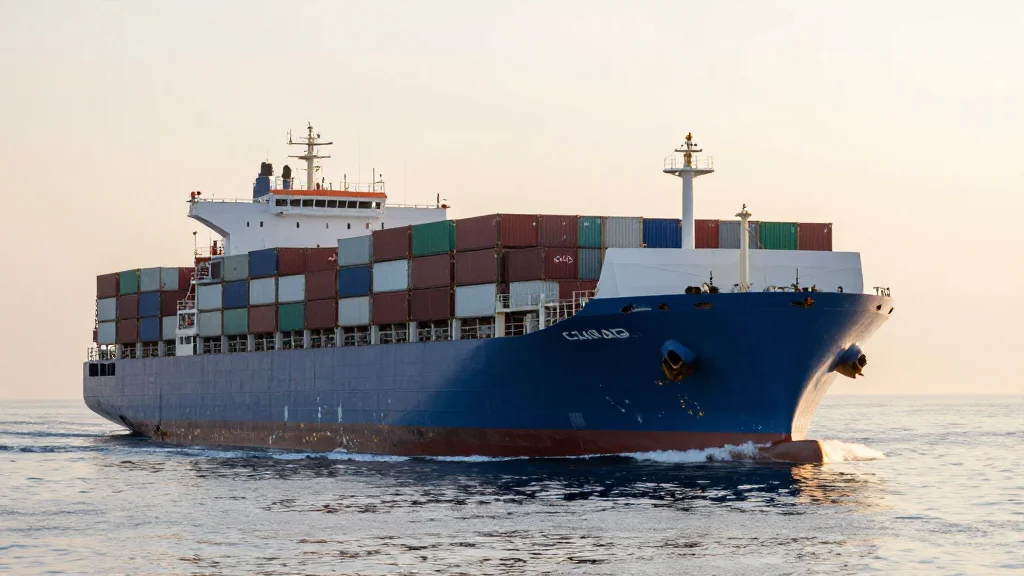
Atlantic Council Front Page Event with U.S. Trade Rep. Jamieson Greer Cited in Bloomberg on the Issue of Transshipment Under the USMCA
Why It Matters
The $300 billion transshipment scheme threatens U.S. fiscal collections and distorts fair competition, pressuring policymakers to tighten USMCA enforcement. Resolving the loophole will shape future trade‑policy dynamics across North America.
Key Takeaways
- •$300 B of US imports rerouted to dodge tariffs.
- •Transshipment loophole exploits USMCA rules on origin.
- •Atlantic Council event highlighted enforcement gaps, cited by Bloomberg.
- •Trade Rep. Greer warned of potential revenue losses.
- •Companies may face stricter customs scrutiny and penalties.
Pulse Analysis
The recent Bloomberg investigation reveals that U.S. importers have rerouted an estimated $300 billion of goods through third‑country transshipment hubs to evade the 25 percent tariffs introduced during the Trump era. By briefly moving merchandise to locations such as Mexico, Central America, or the Caribbean, firms preserve the preferential origin status granted by the United States‑Mexico‑Canada Agreement (USMCA), even though the final destination remains the United States. This loophole not only undermines the tariff regime but also creates a shadow flow of trade that is difficult for customs officials to detect.
At a high‑profile Atlantic Council Front Page event, U.S. Trade Representative Jamieson Greer addressed the Bloomberg findings, warning that the transshipment practice could shave billions of dollars from federal revenue and weaken the credibility of the USMCA. Greer called for coordinated action among the three member nations to tighten rules of origin verification, enhance data sharing, and impose penalties on repeat offenders. The council’s policy forum, attended by senior industry leaders and government officials, amplified the urgency of closing the loophole before it becomes entrenched.
Businesses that rely on low‑cost supply chains must now weigh the risk of stricter customs scrutiny against the savings from tariff avoidance. Analysts predict that tighter enforcement could shift sourcing decisions toward domestic or fully compliant foreign suppliers, potentially raising costs but fostering greater supply‑chain transparency. For policymakers, the episode underscores the need for real‑time tracking technologies and clearer guidance on acceptable processing steps under the USMCA. As North American trade integration deepens, resolving the transshipment issue will be pivotal for maintaining a level playing field and protecting revenue streams.
Atlantic Council Front Page event with U.S. Trade Rep. Jamieson Greer cited in Bloomberg on the issue of transshipment under the USMCA
Comments
Want to join the conversation?
Loading comments...