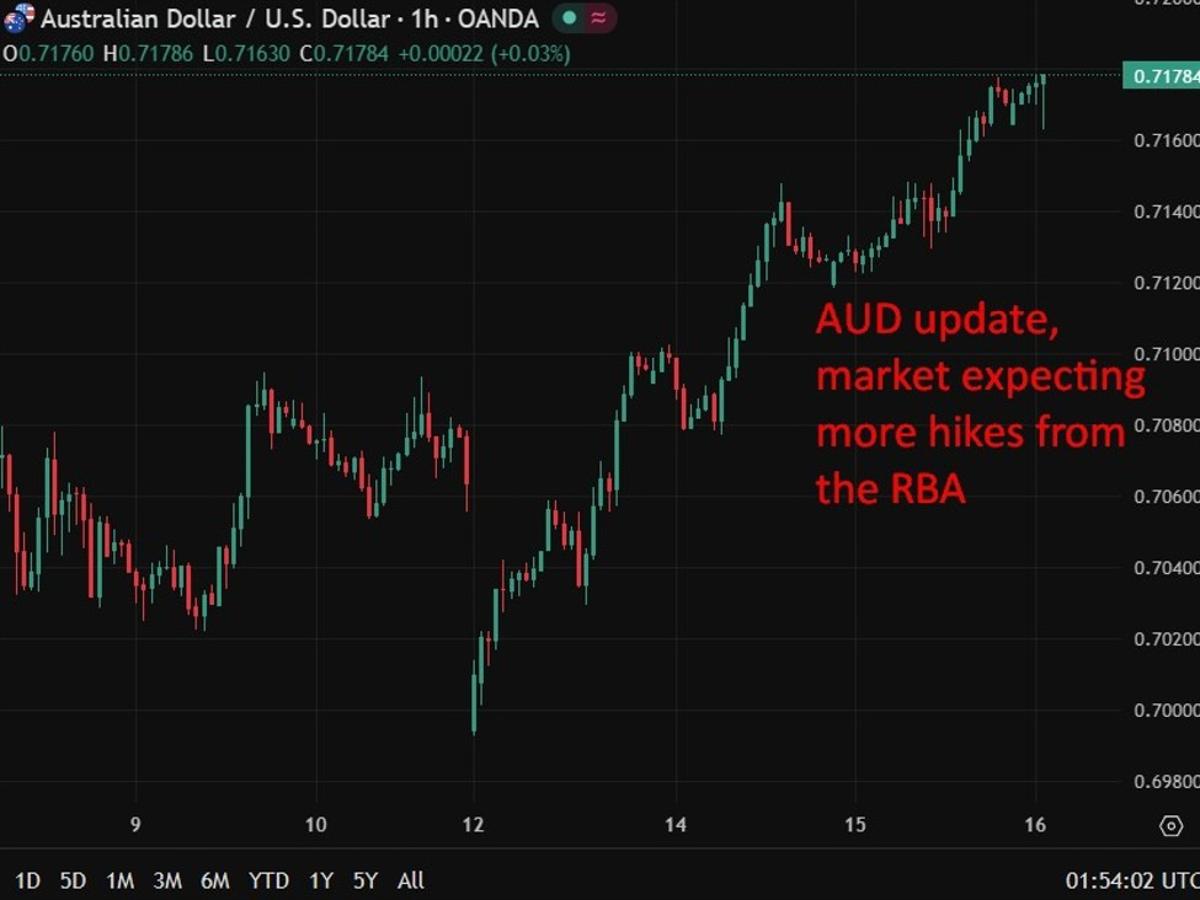
Australia Jobs Resilience, Unemployment Rate Steady, Keeps RBA Focused on Inflation Risks
Why It Matters
A firm jobs market reinforces the RBA’s ability to keep tightening despite looming energy‑price shocks, supporting a higher‑for‑longer interest‑rate outlook and a stronger Australian dollar.
Key Takeaways
- •March employment rose 17,900, slightly below forecasts.
- •Unemployment held at 4.3%, matching expectations.
- •Full‑time jobs added 52,500; part‑time fell 34,600.
- •Participation rate slipped to 66.8%, indicating marginal labor force contraction.
- •RBA can keep tightening as inflation risks stay elevated.
Pulse Analysis
The March labour‑market report underscores that Australia entered the early stages of the Iran‑related energy shock from a position of strength. Employment growth, while modestly below expectations, remained positive, and the surge in full‑time jobs signals firms’ confidence in demand. A stable unemployment rate at 4.3% and a participation rate hovering just under 67% point to a tight labour market that continues to underpin consumer spending and wage pressures, both key drivers of inflation.
Analysts warn that the geopolitical fallout from the Iran conflict could quickly translate into higher global energy prices, feeding through to Australian fuel and electricity costs. Such a shock would elevate headline inflation, prompting the RBA to prioritize price stability over growth concerns. The resilience shown in March therefore acts as a buffer, allowing policymakers to absorb the first wave of external price pressures without immediate resort to aggressive rate cuts.
Financial markets have already reflected this dynamic, pricing roughly 18 basis points of additional tightening for the upcoming May meeting and a cumulative 56 basis points through 2026. A continued hawkish stance supports the Australian dollar and front‑end yields, while also signaling to investors that the RBA is prepared to act decisively if inflation remains entrenched. The next set of labour data will be closely watched for signs of softening that could force a policy pivot.
Australia jobs resilience, unemployment rate steady, keeps RBA focused on inflation risks
Comments
Want to join the conversation?
Loading comments...