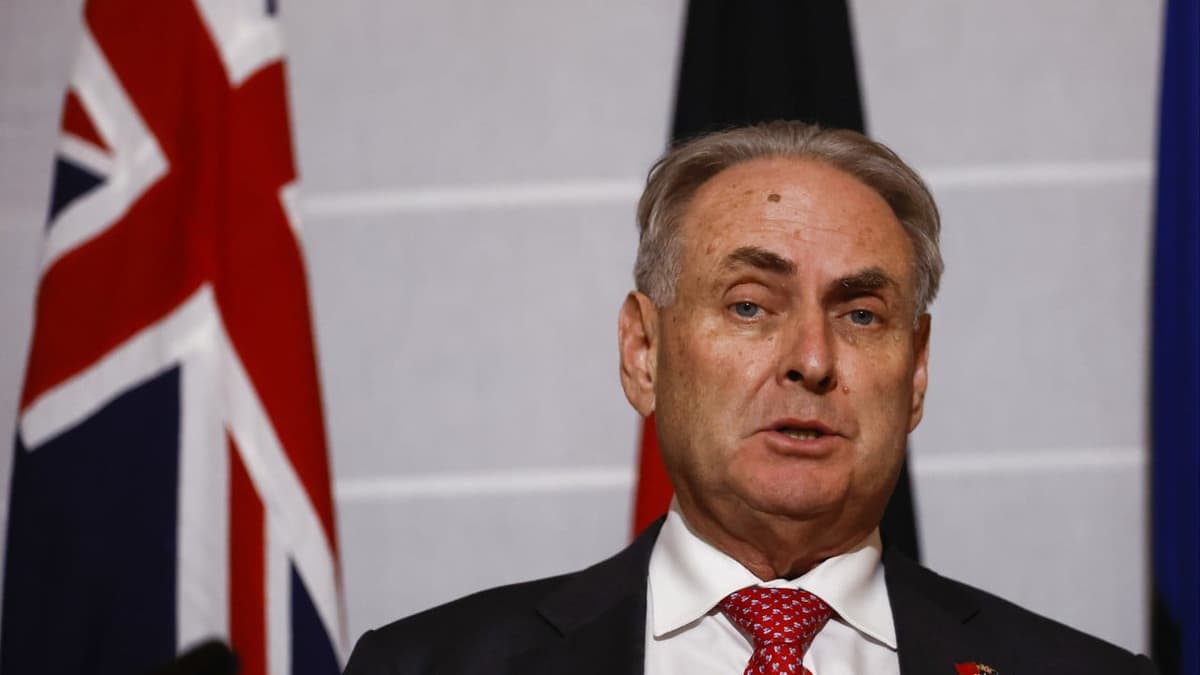
Australian Trade Minister to Visit China to Secure Fuel During Iran War Crunch
Why It Matters
Ensuring jet‑fuel availability safeguards domestic airlines and the broader economy, while diversifying supply reduces Australia’s exposure to Middle‑East geopolitical risks.
Key Takeaways
- •Australia seeks Chinese jet fuel amid Middle East supply crunch
- •China supplied 32% of Australia’s jet fuel imports last year
- •A$14 billion (US$10 billion) budgeted for fuel security
- •Japan, South Korea, Singapore also pledged continued fuel shipments
- •Australia aims to reduce dependence on imported fuels by 2027
Pulse Analysis
The escalation of the US‑Israeli conflict in Iran has choked the Strait of Hormuz, the world’s most vital oil‑and‑fuel corridor, causing a ripple effect across aviation fuel markets. Jet‑fuel shipments that normally flow through the narrow waterway have been delayed or rerouted, driving up spot prices and exposing countries that rely on imported supplies to sudden shortages. Analysts at Kpler reported a steep drop in China’s jet‑fuel exports in the first month of the war, a trend that quickly reverberated through downstream markets such as Australia.
Faced with a looming supply crunch, Canberra has turned to a multi‑pronged strategy. The 2024‑25 budget set aside A$14 billion (approximately US$10 billion) to underwrite additional cargoes, adjust fuel standards and build strategic reserves. Minister Don Farrell’s upcoming trip to Beijing aims to lock in long‑term contracts with China, which accounted for 1.53 million tonnes—or 32%—of Australia’s jet‑fuel imports last year. Parallel commitments from Japan, South Korea and Singapore further diversify the supply base, reducing reliance on any single corridor.
Beyond immediate logistics, the outreach signals a broader shift in Asia‑Pacific energy geopolitics. By securing Chinese fuel on more stable terms, Australia not only insulates its airlines from Middle‑East volatility but also positions itself as a reliable market for Chinese energy exporters seeking footholds beyond domestic demand. The move could accelerate a regional realignment where Pacific nations favour diversified, treaty‑based fuel arrangements over traditional oil‑rich routes. For investors and industry players, the outcome will shape airline cost structures, airport operations and the valuation of ancillary fuel‑service providers.
Australian trade minister to visit China to secure fuel during Iran war crunch
Comments
Want to join the conversation?
Loading comments...