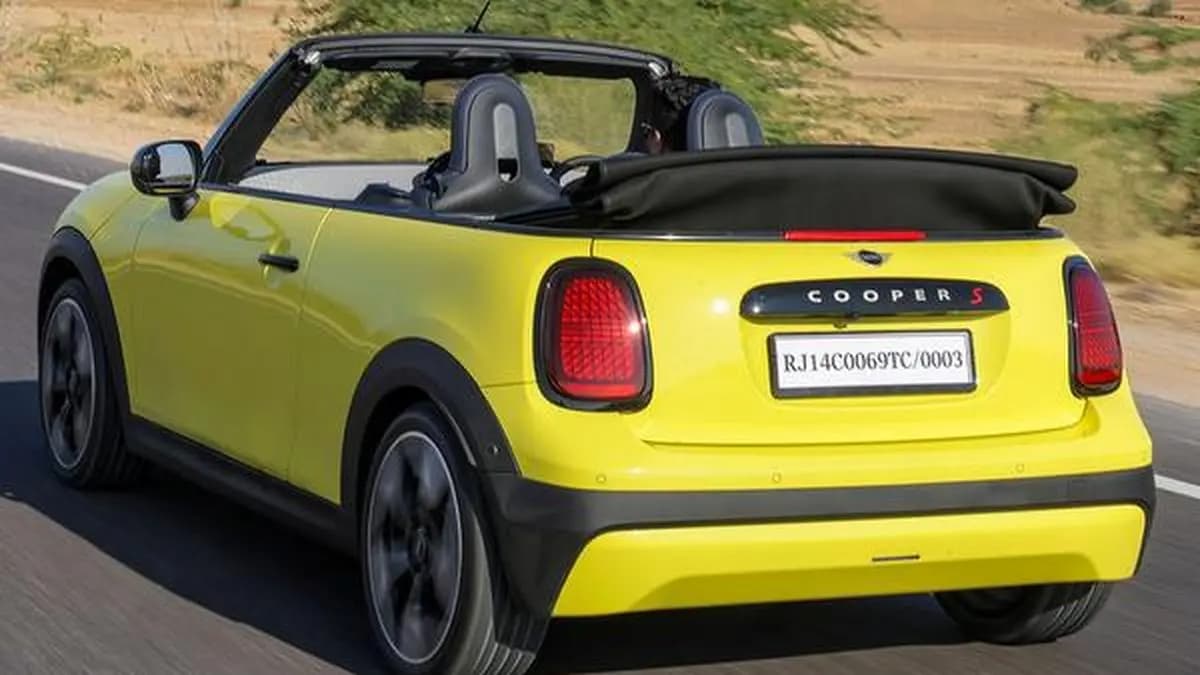
Automakers Move to Cut Prices on British-Built Luxury Cars Ahead of India-UK FTA Implementation
Why It Matters
The duty cuts make ultra‑luxury ICE cars dramatically more affordable, reshaping India’s premium market while sidelining electric models, which could slow EV adoption and alter manufacturers’ product strategies.
Key Takeaways
- •India-UK FTA cuts British ICE car duties from 110% to 30%
- •McLaren 750S Spider price drops ~₹3.32 cr ($400k) after tariff cut
- •MINI Cooper S may save buyers ₹8‑12 lakh ($9‑15k) now
- •Hybrids and EVs remain excluded from duty relief for five years
- •Early buyers benefit from quota‑based import allocations before supplies tighten
Pulse Analysis
The India‑UK Comprehensive Economic and Trade Agreement (CETA) is set to reshape the Indian luxury‑car landscape by slashing import duties on British‑built internal‑combustion‑engine (ICE) vehicles from a punitive 110% to a more manageable 30% initially. This dramatic reduction creates a price‑compression effect that benefits both manufacturers and consumers. Early adopters such as MINI, Jaguar Land Rover, and McLaren have already announced price adjustments, translating to savings of up to ₹8‑12 lakh ($9‑15k) on a MINI Cooper S, ₹75 lakh ($90k) on a Range Rover SV, and a staggering ₹3.32 crore ($400k) on the McLaren 750S Spider. By moving prices ahead of the formal treaty implementation, brands aim to lock in demand while quota allocations remain plentiful.
The tariff relief is narrowly targeted at large‑displacement petrol and diesel models—vehicles above 3,000 cc for gasoline and 2,500 cc for diesel—making ultra‑luxury SUVs and supercars the primary beneficiaries. This focus creates a “quota economy” where early purchasers secure lower‑tax imports, but later buyers may face longer waiting periods once the annual import caps are filled. The immediate effect is a surge in sales velocity for high‑margin ICE models, prompting dealers to offer price‑protection programmes that refund buyers if customs rates fall within a set window. The competitive dynamics also pressure rival brands to adjust pricing strategies, potentially compressing profit margins across the segment.
Conversely, the agreement deliberately excludes hybrids, electric vehicles (EVs) and other alternative‑fuel models from duty reductions for the first five years. Premium British EVs such as the Lotus Eletre or forthcoming electric Range Rovers will continue to shoulder India’s steep import duties, limiting their market penetration. This policy divergence runs counter to India’s broader push for EV adoption and may delay the transition to cleaner mobility in the luxury segment. Industry analysts predict that manufacturers could respond by emphasizing ICE‑centric product lines in the short term, while lobbying for more favorable EV provisions in future trade negotiations. The outcome will shape not only pricing but also the strategic roadmap for luxury automakers operating in one of the world’s fastest‑growing automotive markets.
Automakers move to cut prices on British-built luxury cars ahead of India-UK FTA implementation
Comments
Want to join the conversation?
Loading comments...