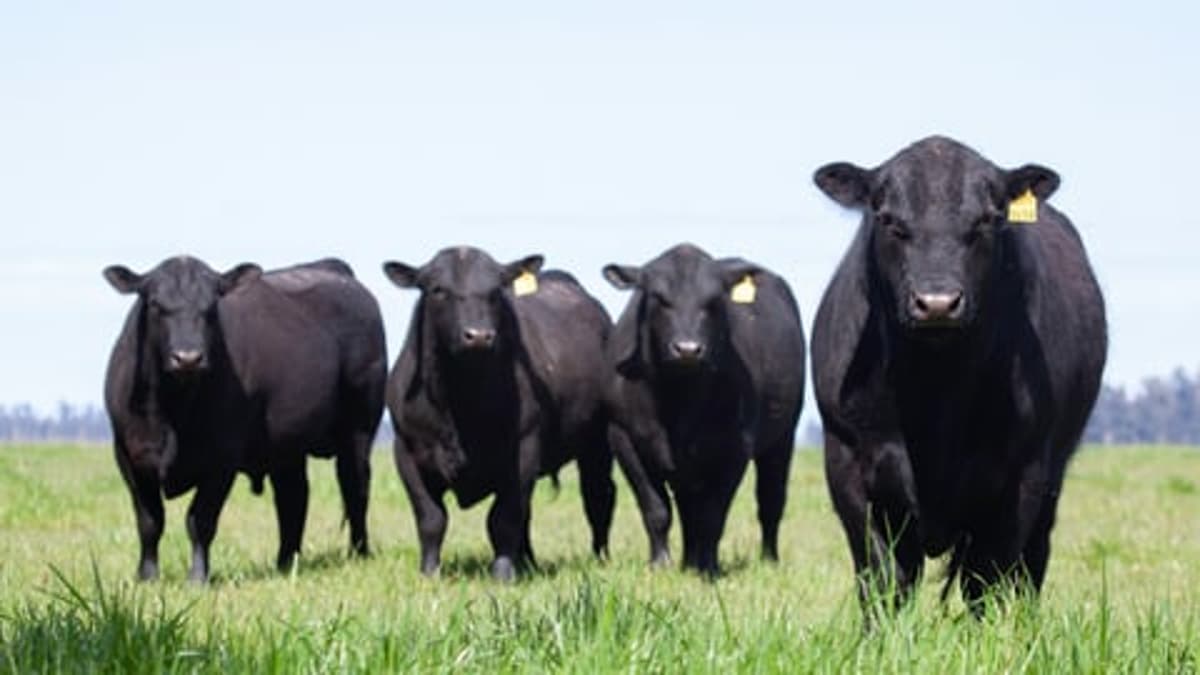
Beef Farmers Say Their Questions About New Trade Talks Fall on Deaf Ears
Why It Matters
If Canada concedes to higher beef imports, domestic producers could face price pressure and reduced market share, threatening rural economies and food‑security standards. The outcome will shape Canada’s ability to diversify trade while protecting its agricultural base.
Key Takeaways
- •Canada may raise beef imports to secure Mercosur export concessions
- •Farmers warn 40% of added imports could flood Ontario market
- •No federal outreach reported; MPs demand transparency on negotiations
- •Current WTO quota allows 10,000 tonnes tariff‑free, 27% above
- •2025 imports already 30% of consumption, highest in 30 years
Pulse Analysis
Canada’s trade strategy is shifting beyond its traditional U.S. partnership as Ottawa pursues agreements with the South American bloc Mercosur. The government hopes lower tariffs on sectors such as forestry, chemicals and auto parts will open new markets for Canadian exporters. However, the beef industry worries that the same negotiations could be used to force a surge in imported meat, leveraging access to Canadian markets as a bargaining chip for unrelated export concessions.
Beef producers across Ontario and the broader Canadian Cattle Association argue that a sudden influx of low‑cost Mercosur beef would undermine domestic pricing and compromise standards related to animal welfare, labor and environmental practices. With imports already representing roughly 30% of national consumption in 2025—the highest share in over 30 years—farmers estimate that 40% of any additional volume would land in Ontario, intensifying competition. Existing WTO rules permit 10,000 tonnes of tariff‑free beef, but a 27% duty applies beyond that, a level many fear is insufficient to protect local producers.
Politically, the lack of direct communication from federal negotiators has sparked criticism from MPs like Alex Ruff, who are now pressing for transparency and stronger safeguard clauses. The beef sector’s call for a level playing field aligns with similar concerns from dairy, poultry and egg producers, all seeking guarantees that trade liberalization does not erode food security or rural livelihoods. The final shape of the Canada‑Mercosur deal will therefore be a litmus test for how the country balances export diversification with the protection of its agricultural backbone.
Beef farmers say their questions about new trade talks fall on deaf ears
Comments
Want to join the conversation?
Loading comments...