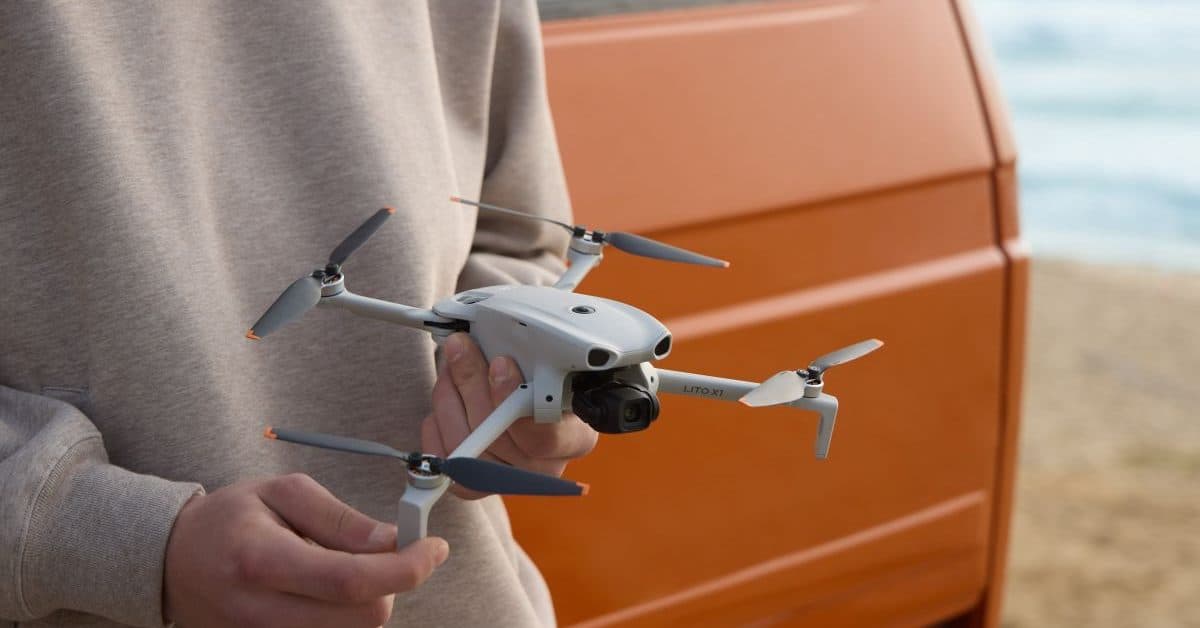
Beijing’s Drone Ban Creates a Massive Problem for DJI
Why It Matters
The dual restrictions threaten DJI’s revenue pipeline in both its domestic stronghold and its biggest overseas market, reshaping the global consumer‑drone landscape. Investors and hobbyists must reassess growth prospects amid heightened political risk.
Key Takeaways
- •Beijing bans new consumer drone sales from May 1
- •Restrictions cover sales, storage, transport, and core components
- •DJI faces simultaneous regulatory pressure in China and the US
- •US FCC actions could delay $1.5 billion of DJI launches
- •Current DJI inventory sees deep discounts amid launch uncertainty
Pulse Analysis
Beijing’s new drone ordinance reflects a broader security agenda that treats low‑altitude airspace as a potential surveillance and weapons conduit. By outlawing sales, limiting storage to three units per location, and demanding approvals for 17 critical components, the city aims to tighten control over a technology it once championed for its "low‑altitude economy." For DJI, whose brand has become synonymous with consumer drones, the policy not only curtails sales in the capital but also signals a possible cascade to other megacities such as Shanghai and Shenzhen, where similar restrictions could follow.
Domestically, the ban is already nudging hobbyists to liquidate inventories ahead of the May deadline, causing a noticeable dip in retail volumes within Beijing’s outskirts. This contraction matters because today’s casual flyers often evolve into professional users—surveyors, cinematographers, and enterprise customers—who fuel DJI’s higher‑margin business lines. A slowdown in the grassroots market could therefore erode the pipeline of future commercial adopters, weakening DJI’s long‑term growth trajectory in its home country despite continued support for regulated, industrial drone applications.
Across the Pacific, DJI wrestles with an equally formidable obstacle: the U.S. FCC’s pending rulings that could block up to 25 new products, representing roughly $1.5 billion in revenue at risk. While existing models like the Mini 5 Pro and Air 3S remain on shelves, the uncertainty has spurred aggressive discounting, creating a paradox of cheap current stock but a clouded future lineup. The convergence of Chinese security policy and American regulatory scrutiny underscores a new era where geopolitical considerations, not just technology, dictate market dynamics for the world’s leading drone manufacturer.
Beijing’s drone ban creates a massive problem for DJI
Comments
Want to join the conversation?
Loading comments...